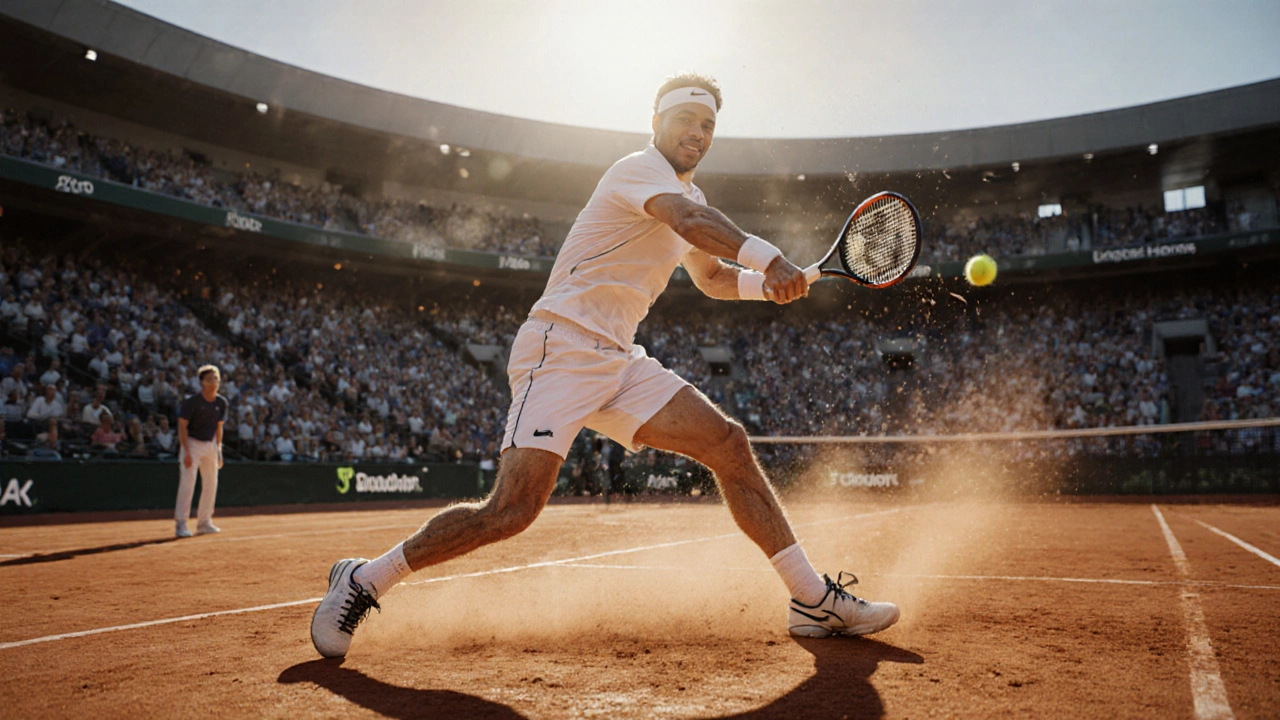
Tennis Player Types: Understand the Styles That Dominate the Court
When you watch a tennis match, you’re not just seeing players hit balls—you’re watching tennis player types, distinct playing styles shaped by technique, physicality, and strategy. These styles aren’t random—they’re the result of years of training, court surface adaptation, and natural strengths. Some players crush winners from the baseline. Others charge the net like they’re chasing a bus. And then there are those who blend both, changing pace like a chess master. Knowing these types helps you understand why Nadal owns clay, why Federer’s game looks effortless, and why some players win big on grass but vanish on hard courts.
One major type is the aggressive baseliner, a player who controls rallies from the back of the court with heavy topspin and power. This style thrives on slow surfaces like clay, where extra bounce gives them time to set up shots. Think Rafael Nadal—his forehand isn’t just fast, it’s a weapon designed to force errors. Then there’s the serve-and-volley, a classic style built on a strong first serve and quick movement to the net. Players like Pete Sampras used this to end points before opponents could react. It’s rare today because modern rackets and strings let baseline players return even the fastest serves, but it still shows up on fast courts where every second counts.
Not everyone fits neatly into one box. The all-court player, a hybrid who moves fluidly between baseline and net, is the ultimate tactician. Players like Novak Djokovic and Andy Murray can grind out long rallies, then suddenly fly forward to finish a point with a volley. Their strength? Adaptability. They don’t just play the game—they read it. And then there’s the clay court specialist, a player whose entire game is tuned for the slow, high-bouncing surface. These athletes don’t just slide—they thrive on it. Their patience, consistency, and ability to extend rallies make them nearly unbeatable on red dirt, even if they struggle elsewhere.
These styles aren’t just about how they play—they’re about how they think. A serve-and-volley player wants short points. A baseliner wants to wear you down. An all-court player wants to control the rhythm. And a clay specialist? They want time—time to recover, time to outlast, time to make you doubt. Understanding these differences explains why some matches look like artillery duels and others feel like slow-motion chess. It also helps you pick up tips for your own game. Are you more powerful or patient? Do you like to dictate or react? Your natural style might already be hiding in how you play.
Below, you’ll find real breakdowns of how these styles show up in matches, what gear they rely on, and how surface conditions change everything. Whether you’re a fan trying to understand why a player lost on grass or a beginner figuring out your own game, these posts give you the clarity you need—no jargon, no fluff, just the facts that matter on the court.