Fitness Pillar Balance Checker
How well are you maintaining the 5 Pillars of Fitness this week?
Click a pillar to adjust your current level (1 = Neglected, 5 = Mastered)
Analysis & Recommendations
Adjust the scores above to see your personalized health strategy.
Key Takeaways for a Healthier Life
- Consistency beats intensity every single time.
- Strength, cardio, and flexibility must work together, not compete.
- Nutrition is the fuel; without it, your workouts are just breaking you down.
- Recovery is where the actual progress happens.
- Mindset is the glue that keeps the other four pillars in place.
Building Strength and Muscle
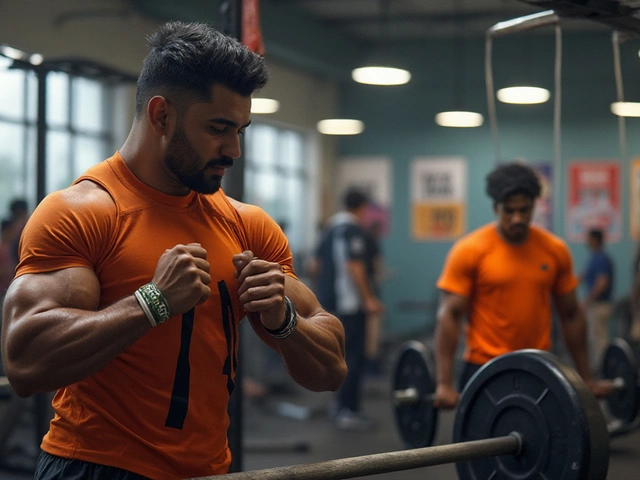
You don't need to be a professional bodybuilder to benefit from Strength Training is the process of using resistance to induce muscular contraction, which increases strength, anaerobic endurance, and muscle mass. Whether you use a gym membership or just your own body weight, moving heavy things is what keeps your bones dense and your metabolism humming. As we age, we naturally lose muscle mass-a process called sarcopenia-and the only way to stop it is by challenging your muscles.
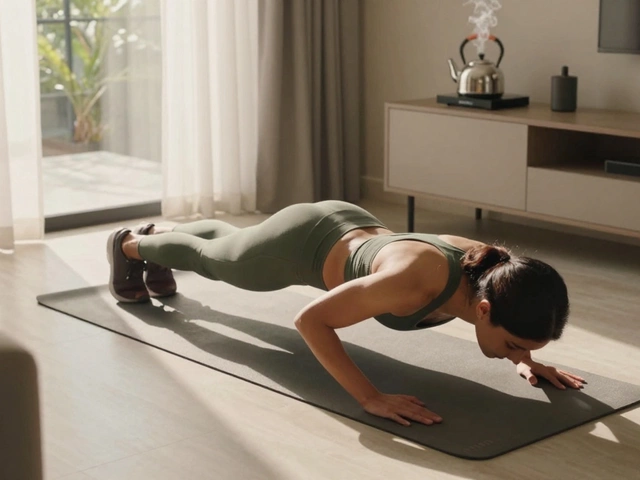
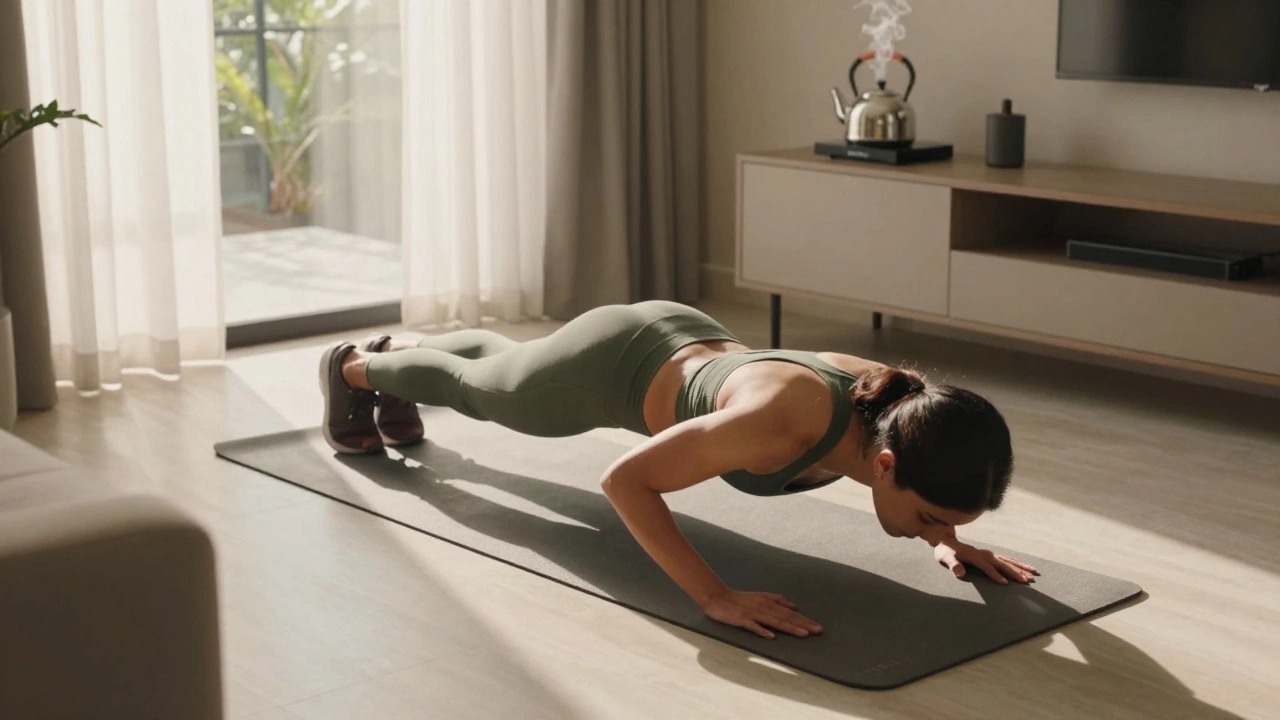
If you're just starting, don't jump into a complex six-day split. Stick to compound movements. These are exercises that hit multiple joints at once, like squats, deadlifts, or push-ups. For example, a squat doesn't just work your legs; it engages your core and improves your balance. A good rule of thumb is to aim for two to three sessions a week. If you can't make it to a gym, try "greasing the groove"-do ten push-ups every time you boil the kettle or take a work break. It adds up faster than you think.
| Method | Primary Tool | Best For | Difficulty |
|---|---|---|---|
| Bodyweight | Gravity | Beginners / Travel | Low |
| Hypertrophy | Dumbbells/Machines | Muscle Growth | Medium |
| Powerlifting | Barbells | Max Strength | High |
Heart Health and Cardiovascular Endurance
Strength is great, but your heart is the most important muscle in your body. Cardiovascular Exercise is any rhythmic activity that raises your heart rate and improves the efficiency of the heart and lungs. People often hate cardio because they associate it with a boring treadmill, but it doesn't have to be a slog. The goal is to improve your VO2 max-basically, how much oxygen your body can use during exercise.
You can approach this in two ways: LISS and HIIT. LISS, or Low-Intensity Steady State, is like a brisk walk through a park. It's sustainable and great for fat loss. HIIT, or High-Intensity Interval Training, involves short bursts of all-out effort followed by a rest period. A real-world example would be sprinting for 30 seconds to catch a bus and then walking for two minutes. HIIT is incredibly efficient for those with a tight schedule, but be careful; doing it too often can lead to burnout or injury. A balanced approach is usually one long walk or swim and one or two shorter, higher-intensity sessions per week.
Fueling Your Body with the Right Nutrition
You cannot out-train a bad diet. Many people hit the gym and then reward themselves with a massive burger, effectively canceling out the caloric deficit they worked so hard for. However, fitness isn't about restrictive dieting; it's about Macronutrients, which are the primary nutrients the body needs in large amounts: proteins, carbohydrates, and fats. Each one has a specific job. Protein repairs the muscle fibers you tore during your workout, carbs provide the energy to actually perform that workout, and fats keep your hormones in check.
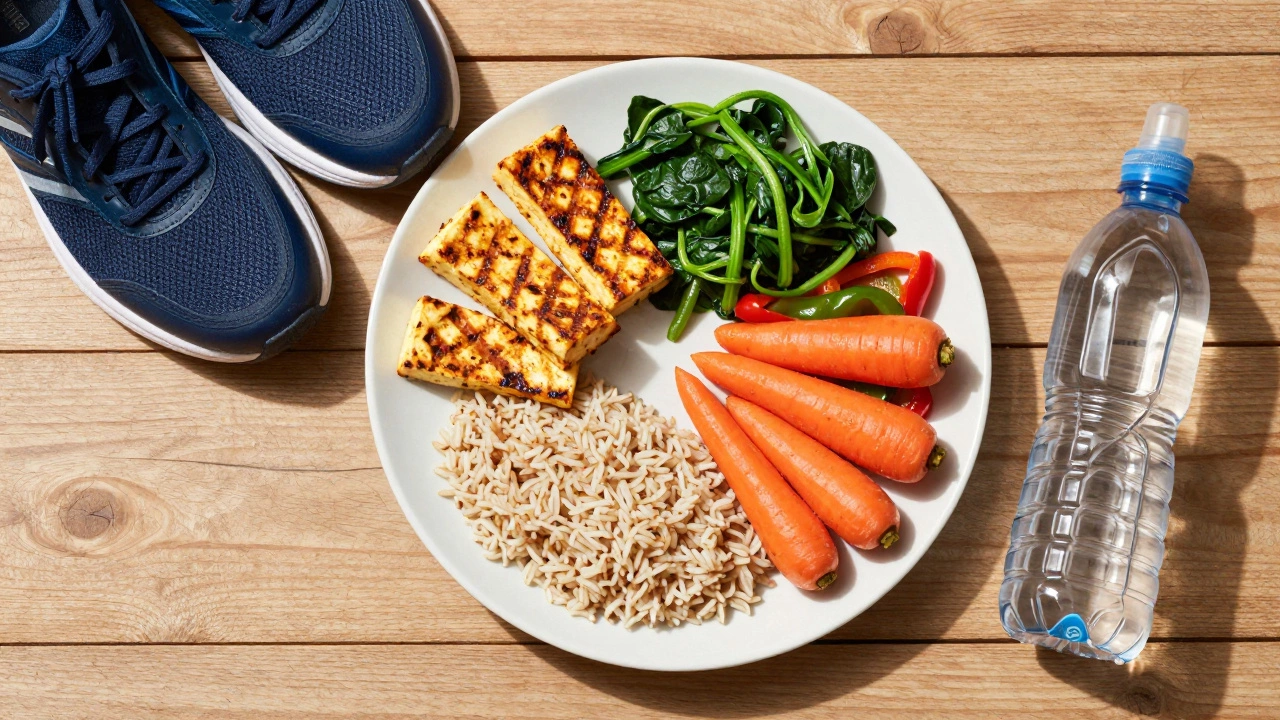
Instead of counting every single calorie-which can lead to obsessive behavior-try the "plate method." Fill half your plate with colorful vegetables, a quarter with lean protein (like grilled chicken, tofu, or fish), and a quarter with complex carbs (like brown rice or sweet potatoes). Avoid "liquid calories" like soda or heavily sweetened coffees. These spikes your insulin levels and leave you crashing an hour later. If you're feeling a midday slump, reach for a handful of almonds or a piece of fruit instead of a candy bar. Your energy levels will stabilize, and your cravings will naturally decrease over time.
The Underrated Power of Recovery and Sleep
Here is the secret: you don't actually get stronger while you are working out. You get stronger while you sleep. When you lift weights, you create microscopic tears in your muscle fibers. During deep sleep, your body releases growth hormones to repair those tears, making the muscle thicker and stronger than before. If you skip sleep, you're essentially tearing down your house without ever letting the construction crew come in to fix it.
This is where Sleep Hygiene comes in. This refers to the habits and environment that allow you to have high-quality, uninterrupted rest. Keep your room cool and dark. Try to put your phone away 60 minutes before bed; the blue light tricks your brain into thinking it's still daytime, suppressing melatonin. Aim for 7 to 9 hours of sleep. If you struggle to wind down, try a simple breathing exercise or a warm shower. Remember, a day of rest isn't "laziness"-it's a tactical requirement for progress. Without it, you'll hit a plateau and eventually face an injury.

Mental Fortitude and Consistency
You can have the perfect plan, the best shoes, and a high-end gym membership, but none of it matters if you quit after two weeks. The final pillar is your mindset. Most people fail because they rely on motivation. Motivation is a feeling, and feelings are unreliable. Some days you'll feel like a superhero; other days, you'll feel like a potato. The key is to build fitness tips into a system of discipline rather than relying on a mood.
Start with "micro-goals." Instead of saying, "I'm going to lose 20 pounds," tell yourself, "I'm going to put on my gym clothes today." Once the clothes are on, the hardest part is over. Use a habit tracker or a simple calendar to mark an X for every day you move your body. The goal isn't perfection; it's avoiding the "two-day rule." Never miss two days in a row. Missing one day is an accident; missing two is the start of a new habit of not exercising. When you shift your identity from "someone trying to get fit" to "someone who doesn't miss workouts," the results become inevitable.
Do I need to do all five things every day?
No, you don't. In fact, doing everything at maximum intensity every day is a recipe for injury. The goal is a weekly balance. You might do strength training on Monday, a brisk walk on Tuesday, and focus on extra sleep and hydration on Wednesday. It's about the average effort over a month, not the perfection of a single day.
What if I don't have access to a gym?
You absolutely don't need a gym. Your own body weight provides plenty of resistance for a long time. Push-ups, lunges, planks, and mountain climbers are incredibly effective. You can also use household items-like filling a backpack with books to create a weighted vest for walking or squats.
How much protein do I actually need?
While it varies by person, a general rule for those exercising is to aim for roughly 0.7 to 1 gram of protein per pound of body weight. If you're not a gym rat, even a modest increase in protein-like adding Greek yogurt or eggs to your breakfast-can help with muscle retention and keeping you full longer.
Can I just do cardio and skip the weights?
You can, but you'll miss out on significant benefits. Muscle is metabolically active, meaning it burns more calories even when you're sitting still. Strength training protects your joints and improves your posture, which actually makes your cardio sessions easier and more effective.
How do I know if I'm overtraining?
Look for red flags: a sudden drop in performance, insomnia (despite being exhausted), persistent soreness that doesn't go away after 48 hours, or a lack of motivation. If you see these, it's time for a "deload week" where you reduce your intensity by 50% or take a few days off completely.
Next Steps for Different Lifestyles
If you're a busy professional, focus on "habit stacking." Do your stretching while you're on a conference call or use a standing desk. Prioritize HIIT sessions to get the most heart-health benefit in 20 minutes.
If you're a complete beginner, don't try to overhaul all five pillars at once. Start with one: maybe just focus on drinking more water and walking 7,000 steps a day for two weeks. Once that feels easy, add a bodyweight workout. Overloading yourself too quickly is the fastest way to quit.
For those returning after a long break, be humble. Your brain remembers what you used to lift, but your tendons and ligaments don't. Start at 50% of your old intensity and gradually build back up over a month to avoid the common pitfall of early injury.