Tiger Woods' Early Golf Journey Interactive
TV Debut
Typical: Learning to speak in sentences.
Tiger: Appeared on national TV putting against Bob Hope.
First Round
Typical: Starting preschool.
Tiger: Shot a round of 48 over nine holes (on a par-36 course).
First Win
Typical: Learning to read simple books.
Tiger: Won his first junior tournament.
Western Junior
Typical: Joining a youth sports league.
Tiger: Won the Western Junior Championship.
US Junior Amateur
Typical: Playing recreational sports.
Tiger: Won the US Junior Amateur title (youngest ever at the time).
You probably know Tiger Woods as the global icon who changed golf forever. But did he actually play golf as a kid? If you think he just picked up a club at age ten and magically became a pro, you are missing half the story. The truth is far more intense, structured, and frankly, a little bit crazy.
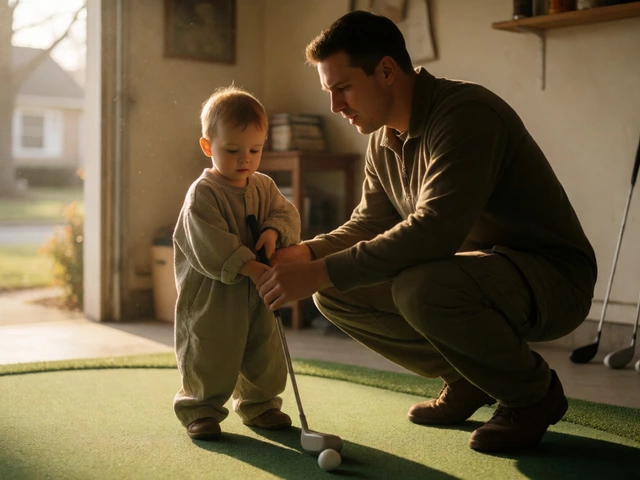
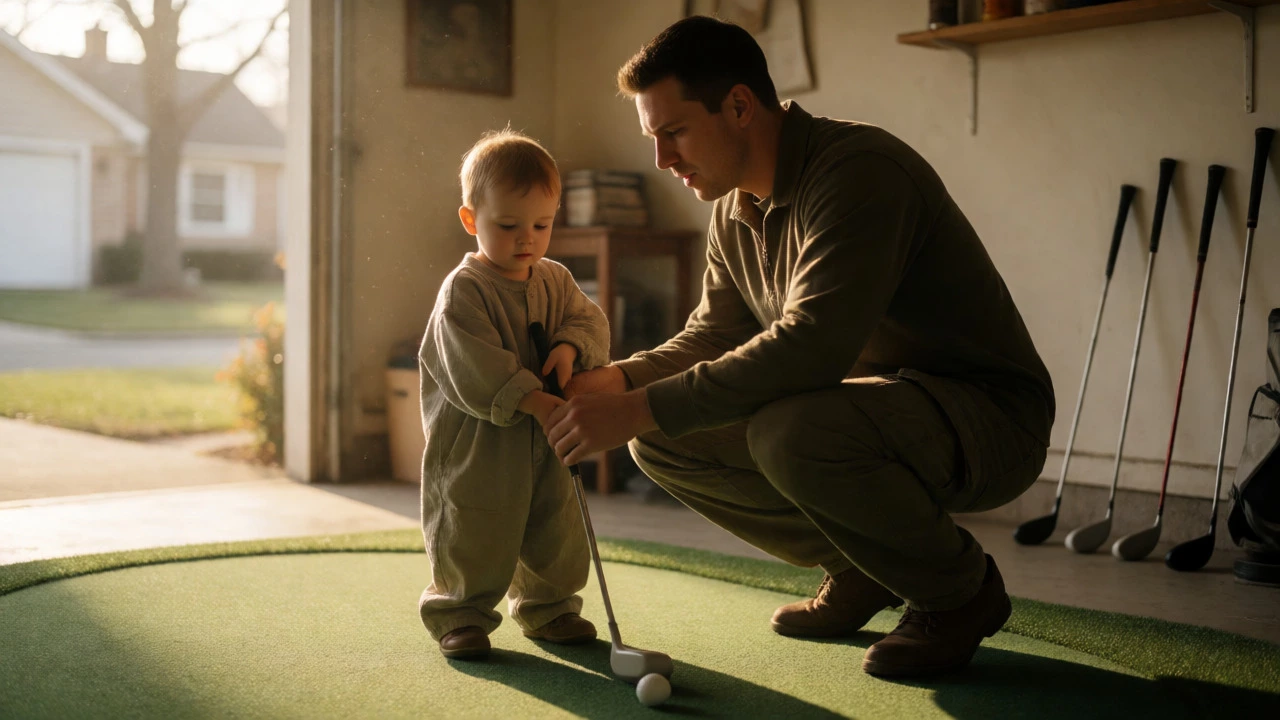
Tiger Woods was introduced to golf by his father, Earl Woods, when he was only two years old. This wasn't just casual weekend fun in the backyard. It was a deliberate, rigorous program designed to build muscle memory before he could even tie his own shoes. By the time most kids were learning their ABCs, Tiger was already mastering the mechanics of a full swing on real courses.
The Two-Year-Old Prodigy
Earl Woods, a former Green Beret and avid golfer, saw potential in his son almost immediately. He didn't wait for Tiger to express interest. He built a putting green in the garage and started teaching him how to hold a club. At age two, Tiger appeared on The Mike Douglas Show, where he putted against Bob Hope. That clip went viral long before the internet existed. It showed a toddler with focus levels that adults struggle to maintain.
This early exposure created what sports psychologists call "implicit learning." Because Tiger learned the motor skills of golf before his conscious mind could overanalyze them, his swing became second nature. He didn't have to think about grip pressure or hip rotation; his body just knew. This foundation gave him an advantage that no amount of adult coaching could replicate later in life.
Earl Woods: Coach, Father, and Drill Sergeant
You cannot talk about Tiger's childhood without talking about Earl. Earl wasn't just a dad; he was a strategist. He understood that golf is a mental game first and a physical one second. So, he trained Tiger not just to hit balls, but to handle pressure. Earl would intentionally distract Tiger during practice-talking loudly, jangling keys, or having people shout nearby. The goal was to teach Tiger to block out noise and focus solely on the ball.
This method worked. By age six, Tiger had won the Junior World Championship for his age group. By seven, he had won the Southern California Junior Boys' Championship. These weren't minor local tournaments. They were competitive events against other highly skilled children. Earl’s training regimen included:
- Daily practice sessions lasting several hours.
- Mental conditioning exercises to improve concentration.
- Physical fitness routines tailored for a growing child.
- Exposure to professional tournaments to normalize high-pressure environments.
It sounds exhausting, right? For Tiger, it was normal. He grew up thinking this was just how life worked. He didn't realize until later that other kids played video games while he was perfecting his short game.
Golf Courses as a Playground
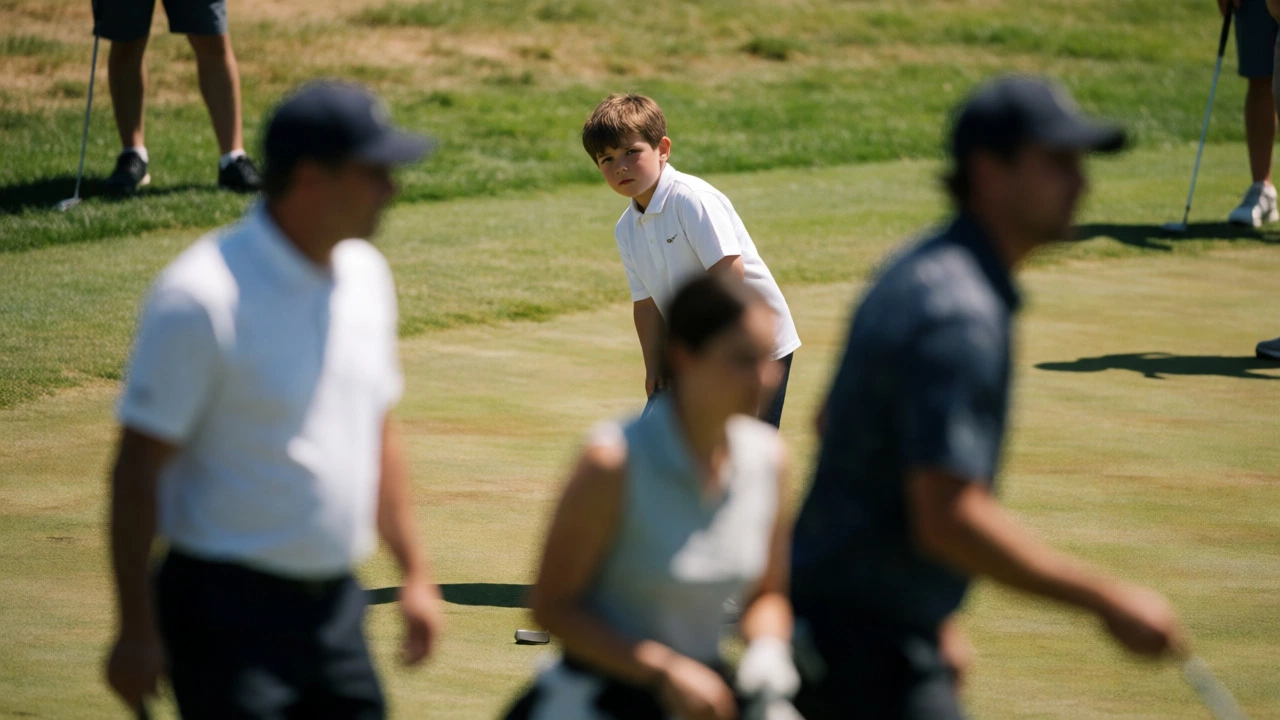
While many kids spent their weekends at parks or swimming pools, Tiger spent his on golf courses. Specifically, he spent countless hours at the Navy Course at Sharp Memorial Park in Cypress, California, and later at Los Alamitos Golf Club. These places were his second home.
Playing on public courses meant Tiger interacted with regular golfers, not just other prodigies. He learned to navigate bad lies, uneven terrain, and unpredictable weather conditions from a very young age. This practical experience made him adaptable. When he eventually joined the PGA Tour, he wasn't surprised by rough grass or tricky greens. He had seen it all before, often while wearing oversized clothes because he hadn't grown into his gear yet.
| Age | Typical Activity | Tiger Woods' Achievement |
|---|---|---|
| 2 | Learning to speak in sentences | Appeared on national TV putting against Bob Hope |
| 3 | Starting preschool | Shot a round of 48 over nine holes (on a par-36 course) |
| 5 | Learning to read simple books | Won his first junior tournament |
| 8 | Joining a youth sports league | Won the Western Junior Championship |
| 10 | Playing recreational sports | Won the US Junior Amateur title (youngest ever at the time) |
The Pressure of Being "The Next Big Thing"
Being a child prodigy comes with baggage. As soon as Tiger started winning, media attention followed. Newspapers wrote stories about the "kid who could beat men." Coaches analyzed his swing frame-by-frame. This constant scrutiny tested his mental resilience. Earl prepared him for this by keeping Tiger grounded. He emphasized education and character alongside golf skills. Tiger attended school regularly and participated in other activities, though golf always took priority.
Despite the pressure, Tiger seemed to thrive. He viewed competition as play. Winning felt good, but losing taught him more. This mindset helped him avoid burnout, which has destroyed many other young athletes. He didn't quit when things got hard. He doubled down. By his teenage years, he was dominating amateur golf globally, setting records that still stand today.
Why This History Matters Today
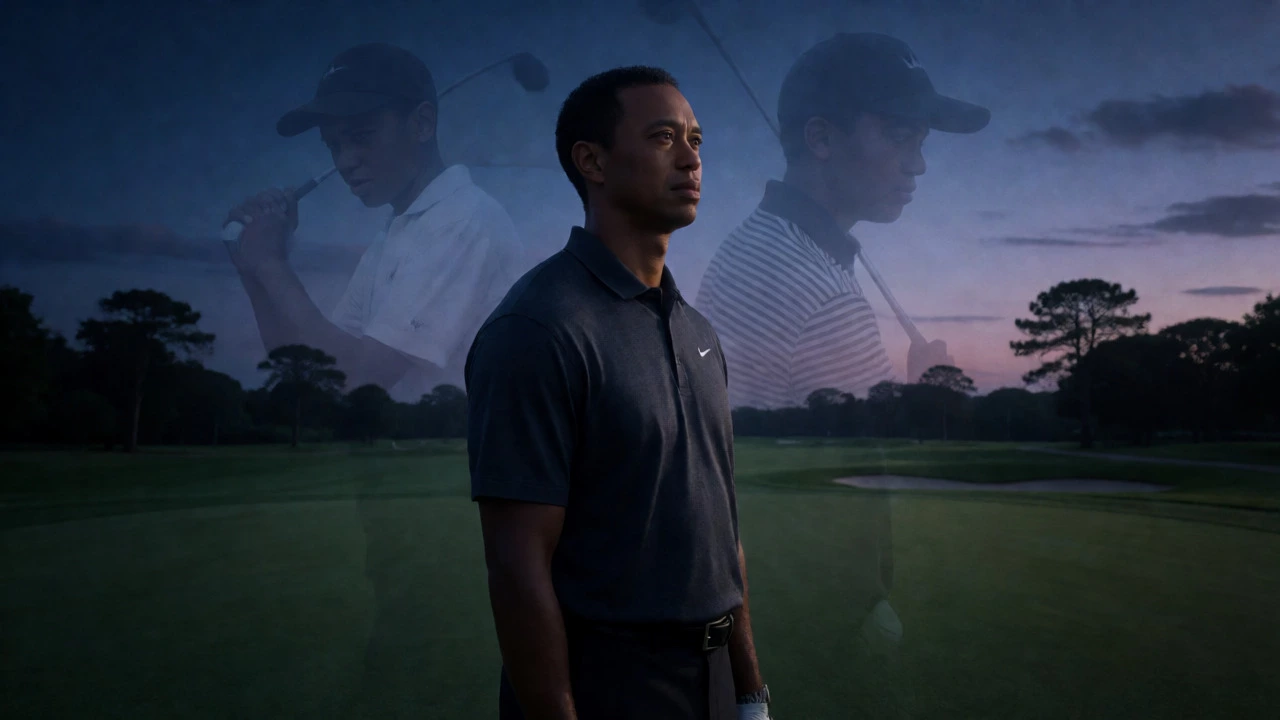
Understanding Tiger's childhood explains his playing style. His legendary ability to grind out wins on difficult courses stems from those early days on public links. His mental toughness under pressure comes from Earl's distraction drills. His technical precision results from thousands of repetitions performed before his brain fully developed.
Modern parents often ask if they should start their kids in sports as early as two. Tiger's case suggests yes, but with caveats. The key isn't just starting early; it's making the activity enjoyable enough to sustain interest. Earl managed to balance rigor with love. Tiger loved golf because he associated it with bonding with his father, not just with winning trophies.
If you watch current pros like Scottie Scheffler or Rory McIlroy, you see echoes of this early specialization. They too started young, immersed themselves in the culture of golf, and treated every practice session as serious work. The path to elite performance rarely happens by accident. It is built, stroke by stroke, during childhood.
Frequently Asked Questions
At what exact age did Tiger Woods start playing golf?
Tiger Woods began playing golf at the age of two. His father, Earl Woods, introduced him to the sport using plastic clubs and a makeshift putting green in their garage. By age three, he was shooting rounds on actual golf courses.
Who taught Tiger Woods how to play golf?
His father, Earl Woods, was his primary coach during his childhood. Earl was a former Army officer and skilled golfer who designed a rigorous training program focused on both technical skills and mental toughness. Later, Tiger worked with coaches like Butch Harmon and Hank Haney, but his foundational skills came from Earl.
Did Tiger Woods compete against adults as a child?
Yes, occasionally. While he mostly competed in junior divisions, he sometimes entered local adult tournaments to test his skills. He famously shot 78 at age eight in a tournament against older players, showing his ability to compete beyond his age group.
What was Tiger Woods' best score as a child?
One of his earliest notable scores was a 48 over nine holes at age three. On a par-36 course, this equates to shooting roughly par for eighteen holes, which is remarkable for a toddler. By age five, he was consistently breaking 100 for eighteen holes.
How did Tiger Woods' childhood differ from other golf pros?
Most pros started playing around ages 8-12. Tiger started at two. Additionally, his training was highly structured and psychological, focusing on handling distractions and pressure from a very young age, rather than just mechanical swing development.