Running Shoe Replacement Calculator
Determine when to replace your running shoes based on mileage, weight, and surface conditions.
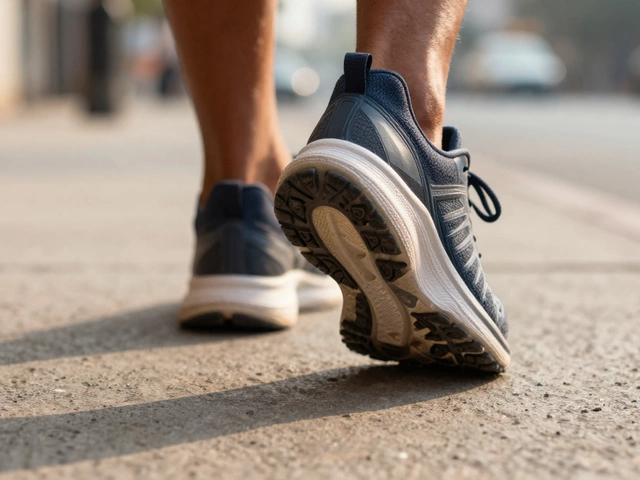
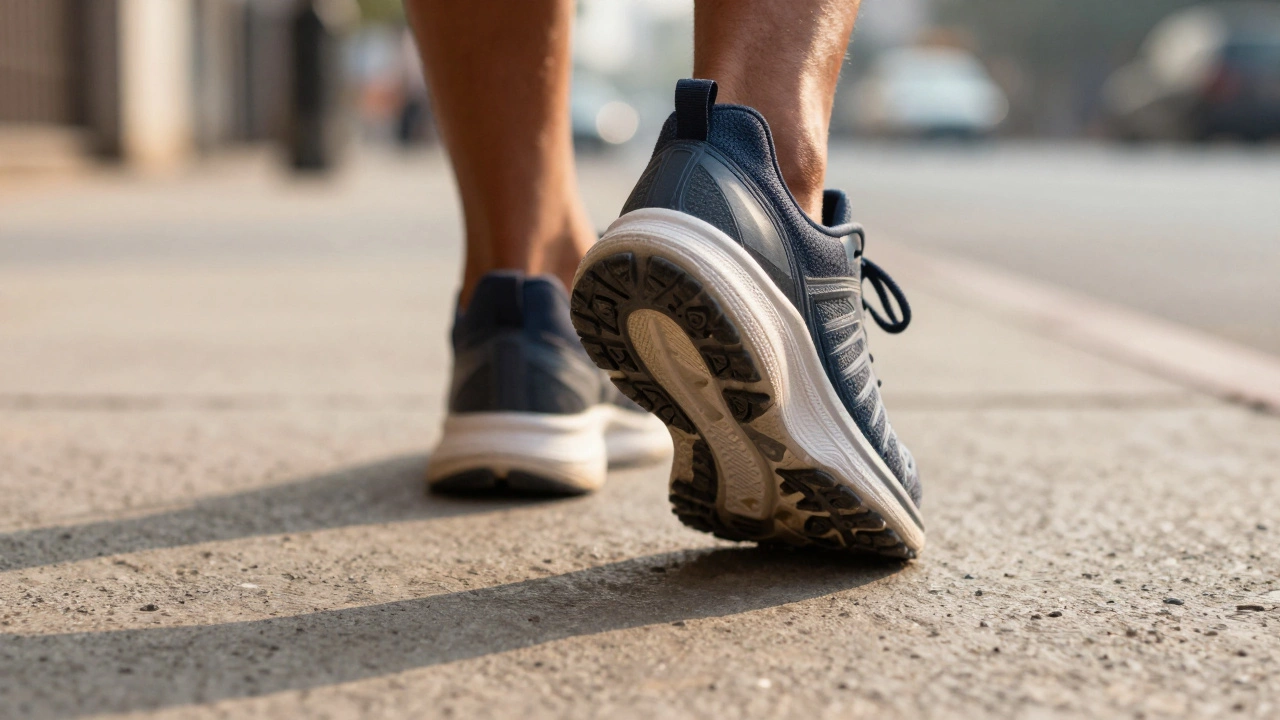
You lace up your favorite pair of running shoes specialized footwear designed to cushion impact and support forward motion during jogging or sprinting, feeling confident that they’ll carry you through another long weekend run. But here’s the uncomfortable truth: those shoes might be doing more harm than good right now. Worn-out footwear doesn’t just look bad-it silently increases your risk of injury, alters your gait, and can turn a pleasant jog into a painful experience with shin splints or knee pain.
The short answer to how often you should change them is simple: every 300 to 500 miles (480 to 800 kilometers). But life isn’t always that neat. Your weight, the surface you run on, and even the type of shoe you buy all change that number. Let’s break down exactly when it’s time to retire your old runners and why guessing wrong costs you more than just money.
The Golden Rule: Tracking Your Shoe Mileage
Most major manufacturers like Nike American multinational corporation specializing in athletic footwear and apparel, Adidas German multinational corporation designing and manufacturing sports products, and Asics Japanese multinational corporation producing sportswear and equipment recommend replacing your shoes after 300 to 500 miles. This range exists because midsole foam-the material that cushions your foot-breaks down over time. It loses its ability to absorb shock, becoming harder and less responsive.
Think of the midsole like a car tire. You wouldn’t drive on bald tires expecting safe handling, right? Similarly, running on compressed foam means your joints take the hit instead of the shoe. If you run five miles a day, seven days a week, you’ll hit the 350-mile mark in about two months. That’s faster than most people expect. For casual joggers who cover 15 miles a week, a pair might last four to six months.
To keep track, use a simple method:
- Running Apps: Most apps like Strava or Nike Run Club log total distance automatically. Check your profile stats monthly.
- Calendar Sticker: Put a sticker on your calendar for every 50 miles. After six stickers, it’s time for new shoes.
- Two-Pair Rotation: Buy two pairs at once. When one hits 250 miles, switch to the second. By the time the second hits 250, the first has rested and recovered some resilience, extending both pairs’ lives.
Signs Your Shoes Are Done (Even Before the Miles Add Up)
Mileage is a guideline, not a law. Sometimes shoes die young. Other times, they survive longer than expected. Here’s how to spot the warning signs before an injury forces you to stop running entirely.
| Sign | What to Look For | Why It Matters |
|---|---|---|
| Midsole Creasing | Deep wrinkles in the foam under the ball of your foot | Indicates the foam has collapsed and lost cushioning ability |
| Outsole Wear | Bald spots or missing tread patterns on the rubber sole | Reduces traction and exposes the softer midsole to abrasion |
| Upper Damage | Holes, fraying mesh, or loose stitching around the toe box | Compromises fit and support, leading to blisters or instability |
| New Aches | Sudden onset of shin splints, knee pain, or plantar fasciitis | Your body is absorbing shock that the shoe used to handle |
| Uneven Wear | One side of the heel worn down significantly more than the other | Signals gait issues exacerbated by losing structural support |
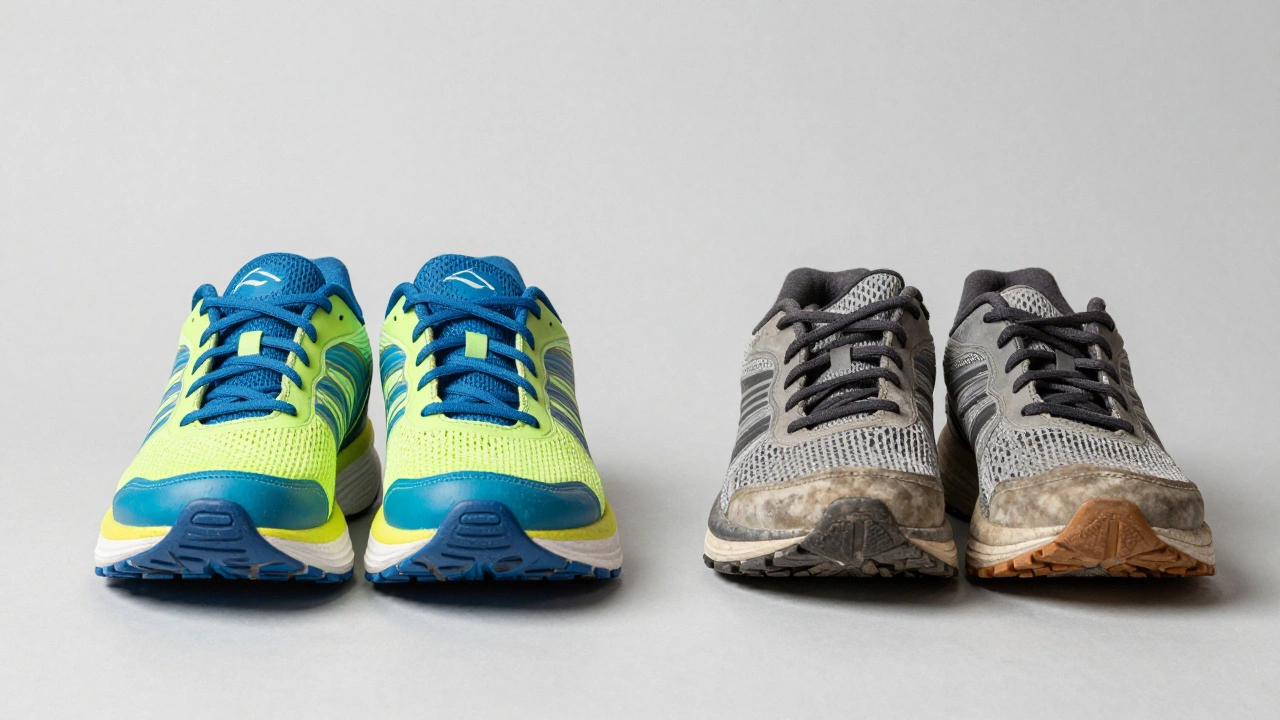
If you notice deep creases in the midsole foam, especially under the forefoot, the shoe’s energy return is gone. Even if the outer rubber looks fine, the internal structure is compromised. Another telltale sign is discomfort. If your legs feel heavier or your knees ache after runs that used to feel easy, check your shoes. Pain is your body’s way of saying the protection has failed.
Factors That Shorten or Extend Shoe Life
Not all miles are created equal. Several variables dictate whether your shoes last closer to 300 miles or stretch toward 600.
Runner’s Weight: Heavier runners put more pressure on the midsole with every step. A person weighing 180 pounds (81 kg) will compress foam faster than someone weighing 130 pounds (59 kg). If you’re on the heavier side, lean toward the 300-mile replacement mark to protect your joints.
Running Surface: Concrete is brutal on shoes. Asphalt is slightly kinder. Trail running on dirt or grass is the gentlest on outsoles but can tear up the upper mesh if there are rocks or roots. If you run mostly on pavement, expect shorter shoe life. If you mix in trail runs, your outsoles may last longer, but inspect the uppers frequently.
Shoe Type: Max-cushioned shoes often have more foam to lose, meaning they might feel dead sooner than minimalist shoes. However, minimalist shoes lack cushioning from the start, so their lifespan depends more on outsole durability than midsole compression. Stability shoes with medial posts also wear out faster because the firmer post material breaks down quicker than standard foam.
Storage Conditions: Leaving your shoes in a hot car or direct sunlight accelerates foam degradation. Heat breaks down the chemical bonds in EVA and polyurethane foams. Store them in a cool, dry place to maximize their lifespan.
The Cost of Waiting Too Long
Skipping shoe replacement to save money is a false economy. Injury prevention is far cheaper than physical therapy or medical bills. Studies show that wearing worn-out shoes increases the risk of overuse injuries like stress fractures, tendonitis, and IT band syndrome. These injuries can sideline you for weeks or months, costing you fitness progress and morale.
Moreover, degraded shoes alter your biomechanics. As cushioning flattens, your stride changes subtly. You might land harder or roll your ankle differently. Over time, this compensatory movement strains muscles and joints that aren’t designed for that extra load. Replacing shoes proactively keeps your form consistent and your body healthy.

When to Rotate vs. Replace
Rotating between two pairs of shoes is one of the best ways to extend their life. Foam needs time to rebound after compression. If you run daily in the same pair, the foam never fully recovers, accelerating breakdown. By switching pairs every other run, each gets 24-48 hours to regain its shape and resilience.
This strategy also helps you monitor wear more accurately. With two pairs, you can compare them side-by-side. If one shows significant creasing while the other looks fresh, you know exactly which one is nearing retirement. Plus, rotating reduces the chance of sudden failure. You won’t be caught with completely dead shoes mid-run.
FAQ: Common Questions About Shoe Replacement
Can I use old running shoes for walking?
Yes, absolutely. Walking puts less stress on shoes than running because only one foot is off the ground at a time, reducing impact forces. Old running shoes make excellent walking shoes, gym trainers, or casual wear. Just don’t use them for high-impact activities like jumping or sprinting.
Do expensive running shoes last longer?
Not necessarily. Higher price tags often reflect advanced technologies like carbon plates or premium materials, not necessarily longer durability. In fact, some high-performance racing shoes are designed for speed, not longevity, and may wear out faster than budget-friendly daily trainers. Focus on fit and purpose rather than price when estimating lifespan.
How do I know if my shoes are too tight or too loose?
Your toes should have about a thumb’s width of space from the end of the shoe. The heel should lock in securely without slipping. If you feel numbness, tingling, or hotspots, the shoes are too tight. If your foot slides around or the heel lifts excessively, they’re too loose. Proper fit prevents blisters and improves efficiency.
Should I replace my shoes if they still look good outside?
Yes. External appearance can be misleading. The midsole foam degrades internally long before the outsole rubber wears through. Rely on mileage tracking and how the shoes feel rather than just visual inspection. If they feel flat or unresponsive, replace them regardless of outward condition.
Can washing running shoes extend their life?
Washing can remove dirt and odors but doesn’t restore cushioning. Avoid machine washing, as agitation and heat can damage adhesives and foam. Hand wash gently with mild soap and air dry away from direct heat. Regular cleaning maintains hygiene but won’t reverse midsole compression.
Is it better to buy one pair of high-quality shoes or two pairs of mid-range ones?
Two pairs of mid-range shoes are often better. Rotating extends the life of both pairs and allows foam recovery. High-quality single pairs may perform well initially but degrade faster without rest. Budget for rotation to maximize value and minimize injury risk.
Do different brands wear out at different rates?
Yes, foam formulations vary by brand and model. Some use denser foams that last longer but feel stiffer. Others use lighter, bouncier foams that degrade faster. Research specific models for durability reviews. Generally, stick to the 300-500 mile rule as a safe baseline across brands.
Can I repair worn-out running shoes?
Minor repairs like re-gluing soles or patching holes are possible but rarely cost-effective for performance running. Structural integrity is compromised once the midsole collapses. Repair is best reserved for casual use or sentimental value. For running, replacement ensures safety and performance.