Can You Run in Air Force 1s? A Runner's Honest Review
Discover if Nike Air Force 1s are suitable for running. We analyze weight, cushioning, and injury risks to help you decide if these iconic sneakers belong in your running rotation.
read moreIf you’re hitting the pavement, the trail, or the treadmill, the right gear can make a huge difference. It’s not just about looking good – it’s about comfort, safety, and getting the most out of each run. Below you’ll find a straight‑forward rundown of the must‑have items, plus quick tips on how to choose the best options for your needs.
The single most important piece of gear is your shoes. A good pair cushions impact, supports your foot type, and helps prevent injuries. Start by figuring out if you have a neutral stride, overpronation, or underpronation – a quick gait test at a local store can sort that out. Once you know your foot type, look for shoes that match: neutral cushions for balanced runners, stability shoes for overpronators, and cushioned minimalist options for underpronators.
Don’t be swayed by brand hype alone. Check the midsole material (EVA foam, Boost, or React) and the outsole grip, especially if you run on trails. A comfortable fit means enough room in the toe box and a snug heel – you should feel secure, not squeezed. Replace your shoes every 300‑500 miles to keep the cushioning effective.
Running clothes should be lightweight, breathable, and moisture‑wicking. Synthetic fabrics like polyester or nylon pull sweat away, keeping you dry and reducing chafing. For cooler weather, layer with a tight base layer, an insulating mid‑layer, and a wind‑proof outer shell. In hot conditions, opt for loose‑fit tees and shorts with mesh panels for airflow.
Don’t forget the small details: a reflective jacket for early mornings, a good pair of compression socks to improve circulation, and a hat or visor to shield your eyes. All these items add up to a comfortable run, no matter the temperature.
Wearable tech isn’t a luxury anymore – it’s a practical tool. A GPS watch tracks distance, pace, and heart rate, helping you stay in the right zone. For beginners, a simple pace alarm can prevent you from starting too fast. If you love music, bone‑conduction headphones stay in place without blocking ambient sounds, keeping you aware of traffic.
Hydration matters, too. Small handheld bottles or waist‑pack bladders let you sip without stopping. For long runs, a fuel belt or pockets for energy gels keep your stamina topped up. And a good pair of anti‑blister gloves can protect your hands when you’re using a phone for navigation.
Putting it all together, the best running gear is the mix that feels natural for you. Start with a solid shoe, layer with breathable clothing, and add tech that serves a purpose – not just a gimmick. Test each piece on a short run before committing to a big purchase, and you’ll quickly find what works best. Happy running!
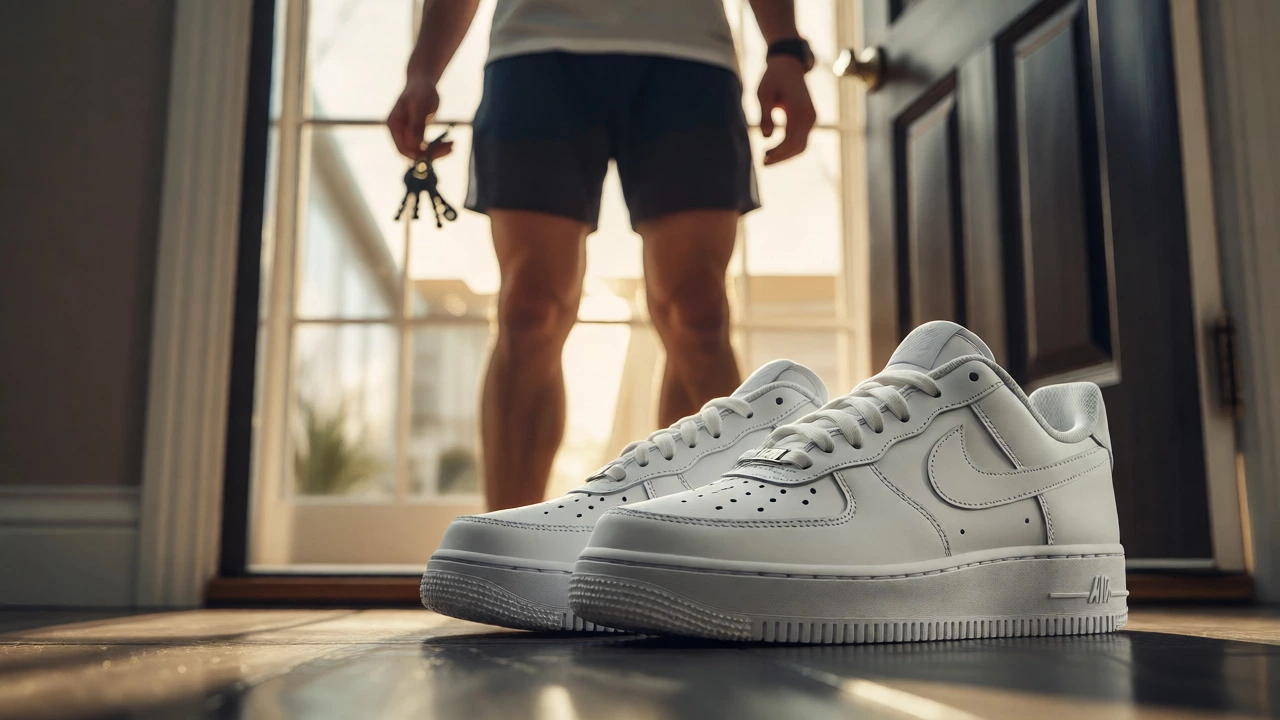
Discover if Nike Air Force 1s are suitable for running. We analyze weight, cushioning, and injury risks to help you decide if these iconic sneakers belong in your running rotation.
read more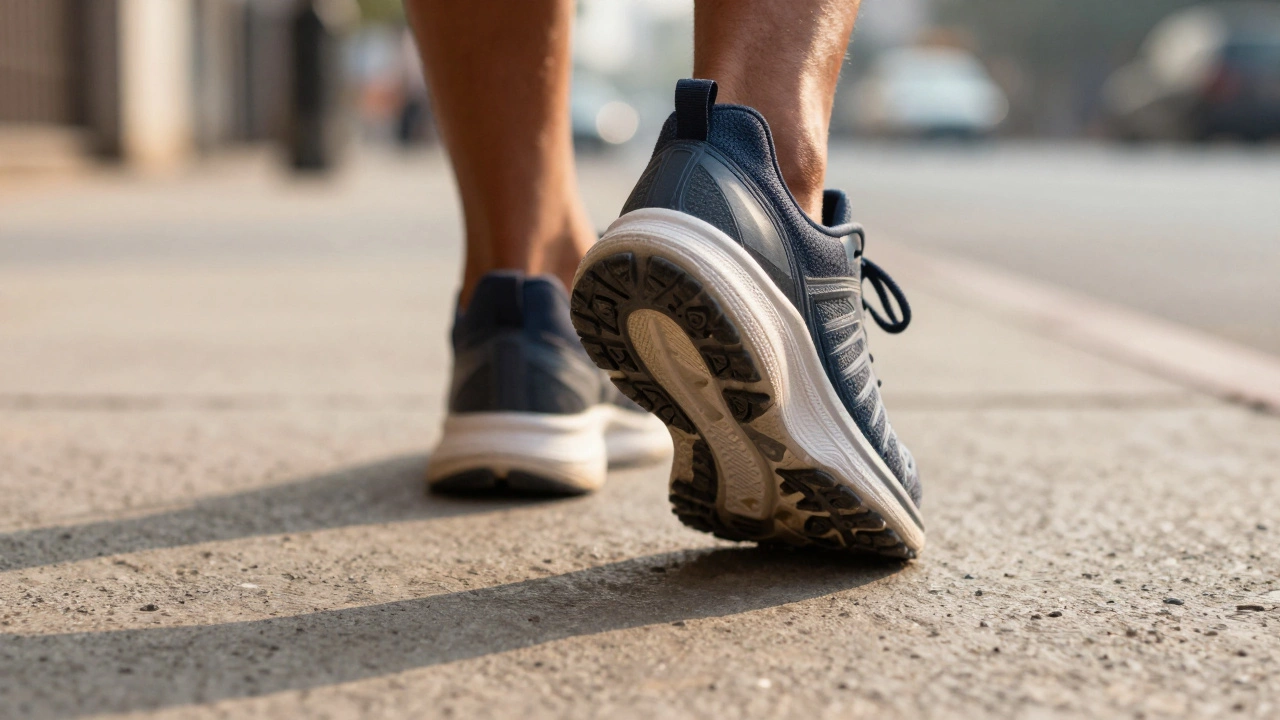
Discover the ideal time to replace your running shoes based on mileage, wear signs, and runner-specific factors. Learn how to avoid injuries and maximize shoe lifespan.
read more
Find out which type of shoes are best for running, including key features, real-world tips, common mistakes, and recommendations by terrain. Make your next run your best yet by picking the perfect shoes.
read more
Curious if running shoes truly matter for beginners? Discover facts, tips, and insights for new runners to step out safely and comfortably.
read more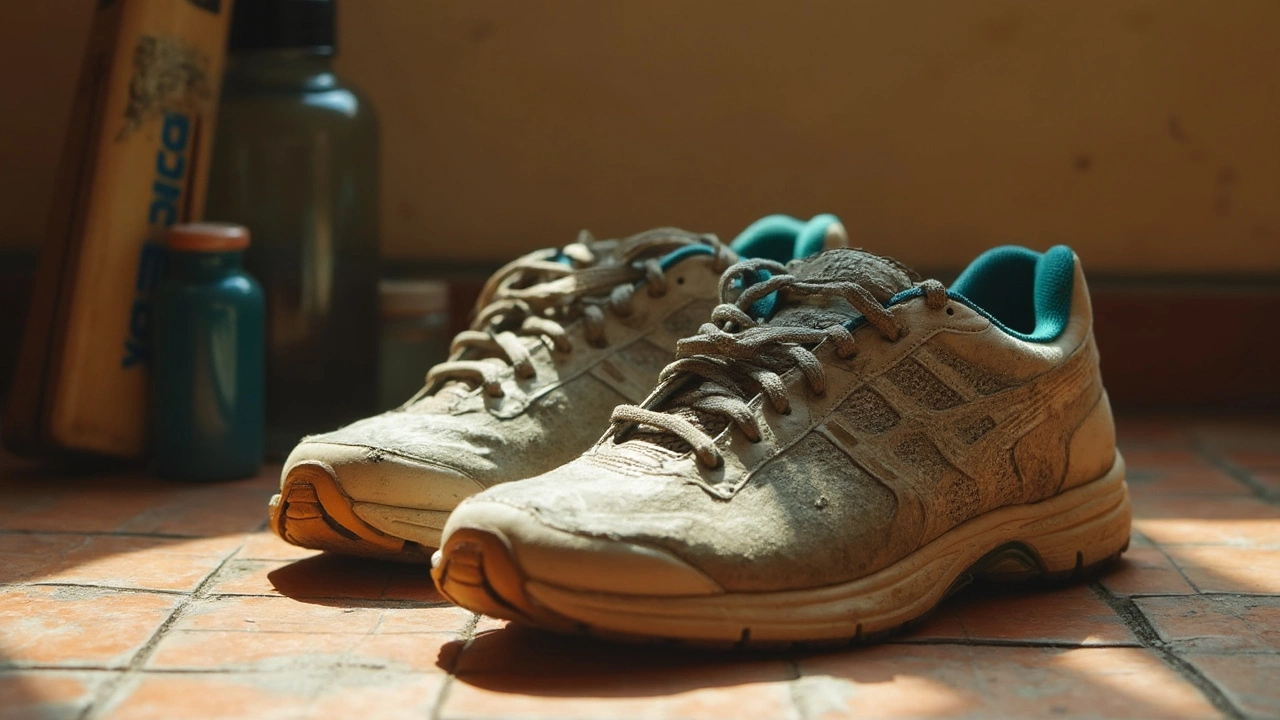
This article breaks down how to actually spot when your running shoes are past their prime. You’ll learn to notice wear in the midsoles, treads, and even your own body’s signals. We’ll bust common myths about shoe lifespan and show you easy tricks to check your shoes right now. Simple tips will help you save money and avoid injury. Get the honest scoop on knowing when it’s really time for a new pair.
read more
Debating whether you need running shoes or not? This article explores the essential role of running shoes in keeping you injury-free while boosting performance. Understand why running shoes are more than just a fashion statement, including insights on their specialized features. Discover tips on choosing the perfect pair suited to your feet and running style. Make informed choices that enhance your running experience.
read more
Runners often wonder if having two pairs of running shoes is necessary. This article explores the benefits of having multiple pairs, such as extending the lifespan of shoes and providing better support. It offers guidance on how to select the right types of shoes for different conditions and strategies to make the most out of your running gear. Discover how alternating shoes can improve performance and reduce injury risk.
read more