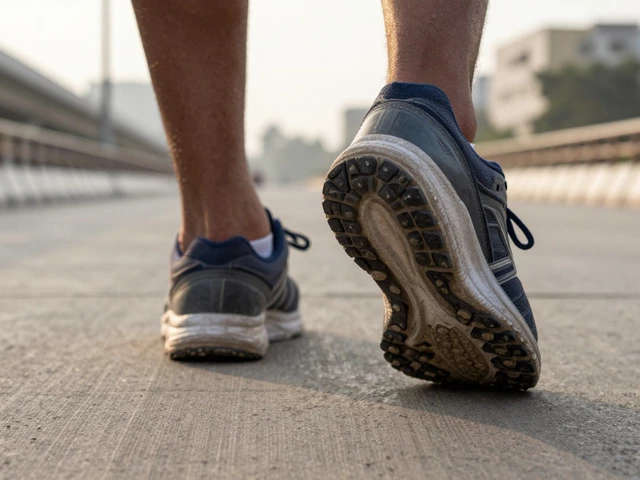
AF1 Running Viability Calculator
Wondering if you should lace up your AF1s today? Use this tool to assess the risk and comfort level based on your planned workout.
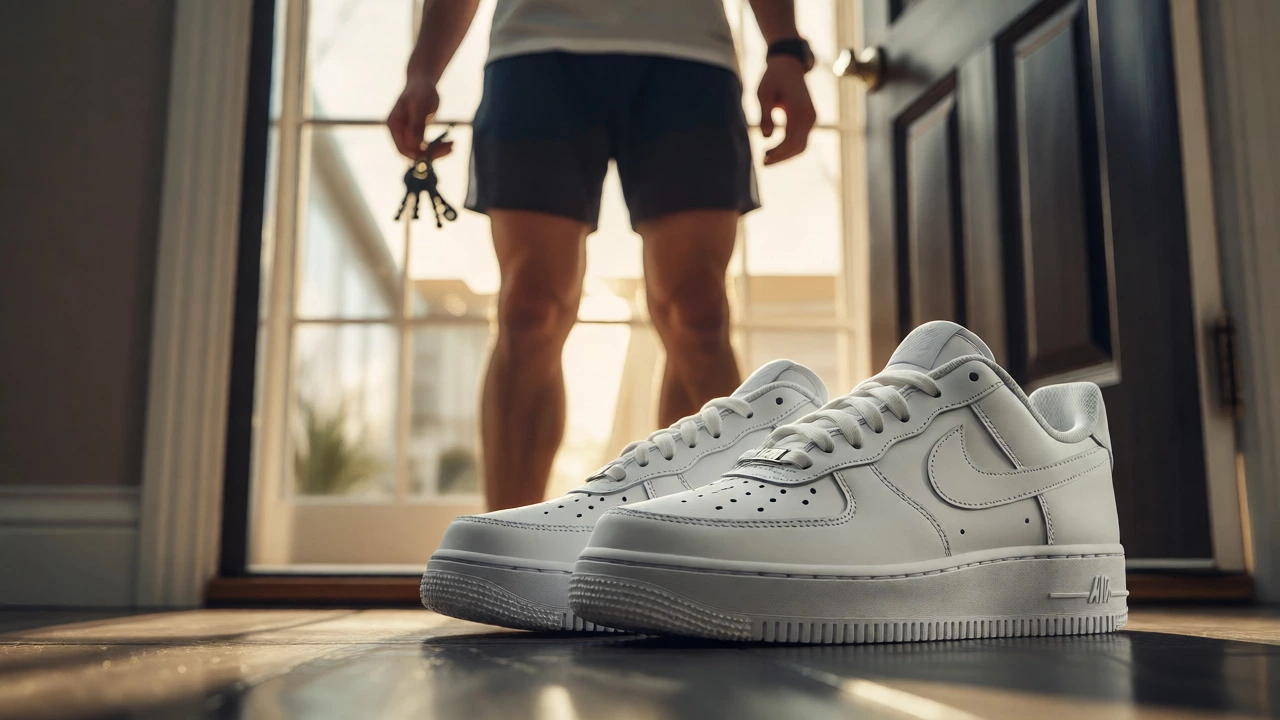
You’re standing at the door, keys in hand, ready for a quick jog around your neighborhood. Your eyes drift to the closet, landing on that pristine pair of Nike Air Force 1 is a iconic basketball sneaker known for its thick leather upper and heavy cushioning. They look great. They feel solid. But can you actually run in them without wrecking your knees or blistering your feet? The short answer is: technically, yes, but you probably shouldn’t if you care about performance or injury prevention.
Let’s be real-most of us have tried it at least once. Maybe you forgot your running shoes at home, or maybe you just wanted to test the waters. While the Air Force 1 (AF1) is a cultural icon and a fashion staple, it was never engineered for the biomechanics of running. Understanding why requires looking past the logo and into the anatomy of the shoe itself.
The Anatomy Mismatch: Why AF1s Aren’t Built for Miles
To understand the problem, we need to look at what makes a running shoe different from a lifestyle sneaker. Running involves repetitive impact forces that can reach up to three times your body weight with every step. Running Shoes are designed with specific attributes like lightweight materials, flexible soles, and responsive foam to absorb this shock. In contrast, the Air Force 1 is built for stability on a basketball court, not endurance on pavement.
Here is the breakdown of the critical differences:
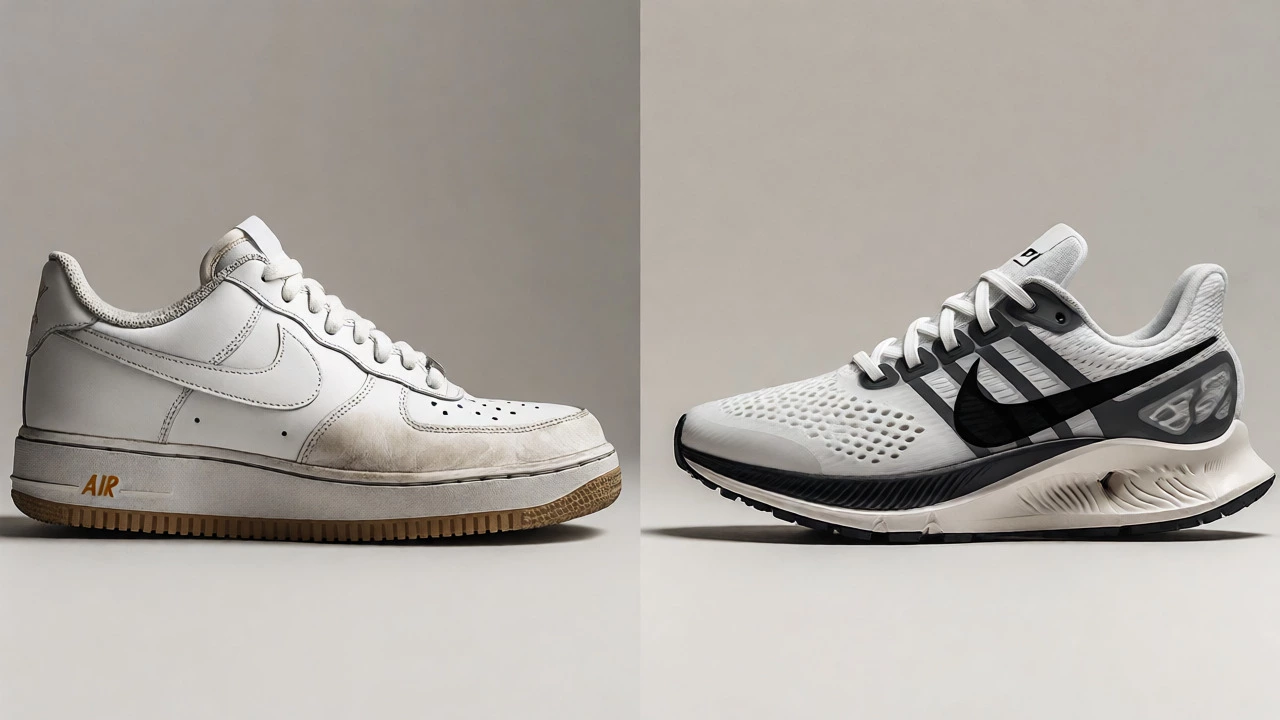
- Weight: An average Air Force 1 weighs between 450g and 500g per shoe. Compare this to a modern daily trainer like the Nike Pegasus, which typically weighs under 300g. That extra 150-200g per foot sounds small, but over a 5k run, it adds significant fatigue to your legs.
- Cushioning Technology: The AF1 uses a visible Air-Sole unit in the heel. This is an encapsulated air bubble designed for impact protection during jumps, not for the continuous rolling motion of a stride. It’s stiff. Modern runners use foams like Nike ZoomX or EVA foam that compress and rebound quickly, returning energy to help push you forward.
- Upper Structure: The AF1 features a thick, full-grain leather upper. Leather is durable and stylish, but it lacks breathability. When you run, your feet heat up rapidly. Trapped heat leads to sweat, friction, and inevitably, blisters. Running shoes use engineered mesh that allows airflow and stretches with your foot as it swells during exercise.
Performance Risks: What Happens to Your Body?
If you lace up those AF1s and hit the track, your body will let you know within the first kilometer. The lack of flexibility in the sole prevents your foot from bending naturally at the toe joint. This forces your calf muscles and Achilles tendon to work harder to lift the heavy, rigid shoe off the ground.
Consider the risk of Shin Splints, a common overuse injury causing pain along the inner edge of the shinbone. Because the AF1 doesn’t flex properly, your lower leg absorbs more shock than it should. Additionally, the flat, wide base of the AF1 offers little arch support. If you have high arches or flat feet, this neutral platform can lead to overpronation or supination issues, throwing off your alignment from hips to ankles.
| Feature | Nike Air Force 1 | Dedicated Running Shoe (e.g., Pegasus) |
|---|---|---|
| Primary Use | Lifestyle, Basketball, Casual Walking | Running, Jogging, Gym Workouts |
| Weight (per shoe) | ~480g | ~280g |
| Cushioning Type | Encapsulated Air Unit (Stiff) | Responsive Foam (Soft/Bouncy) |
| Flexibility | Low (Rigid Sole) | High (Engineered Flex Grooves) |
| Breathability | Low (Leather Upper) | High (Engineered Mesh) |
| Durability on Pavement | Medium (Outsole wears unevenly) | High (Rubber Tread Patterns) |
When Can You Actually Get Away With It?
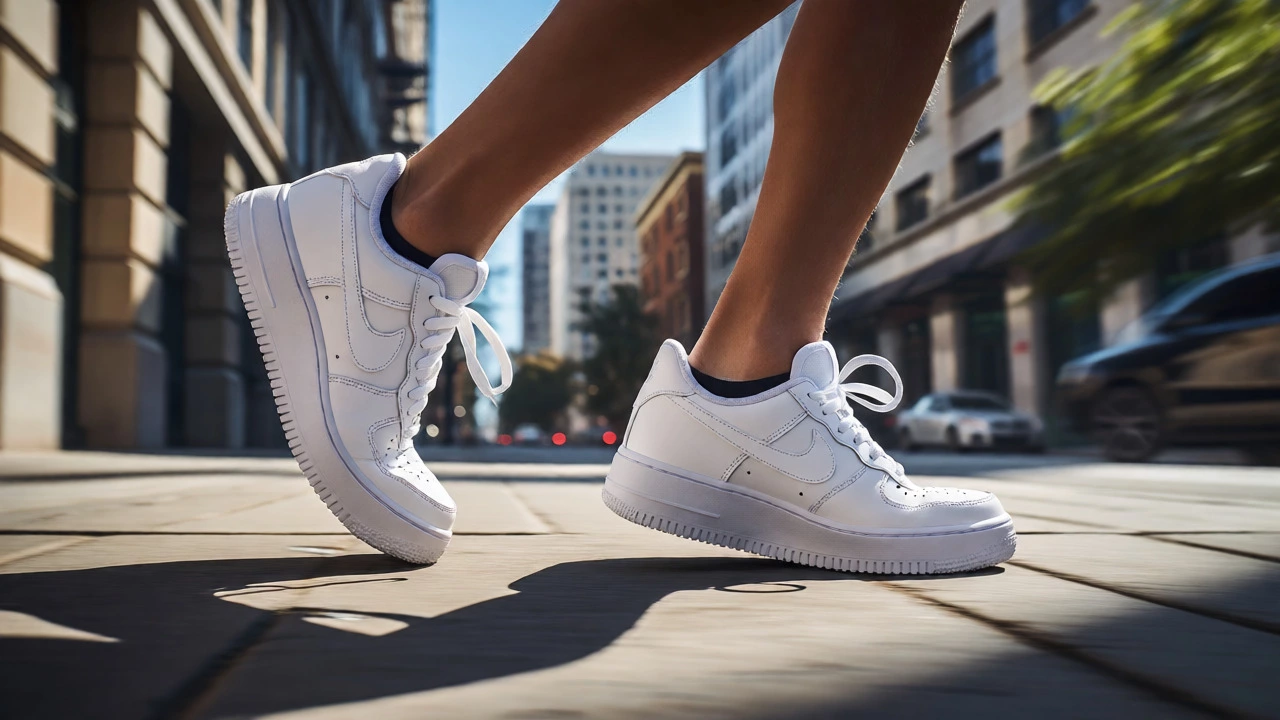
Does this mean you must banish your AF1s from the gym bag forever? Not necessarily. Context matters. If you are doing a very short distance-say, less than 1 mile-or walking briskly rather than jogging, the AF1 is perfectly fine. Many people wear them for "rucking" (walking with a weighted backpack) because the sturdy construction supports the ankle and the flat sole provides a stable platform for heavy loads.
Also, consider the surface. If you are running on a treadmill indoors, the controlled environment reduces some variables. However, even on a treadmill, the heat buildup from the leather upper will make your feet uncomfortable after 20 minutes. If you are outside, avoid wet surfaces. The leather on AF1s isn’t waterproof; when it gets soaked, it becomes heavy and takes hours to dry, potentially warping the shape of the shoe.
The Cost Factor: Ruining a Fashion Staple
There’s another practical reason to keep your AF1s out of the rotation: cost and maintenance. A fresh pair of white Air Force 1s costs significantly more than a mid-range running shoe. Running on asphalt grinds down rubber outsoles. The AF1’s outsole pattern is shallow compared to running-specific treads. Within a few weeks of regular running, you’ll notice the smooth patches wearing down, exposing the foam underneath.
Once the outsole is compromised, the shoe loses its grip and structural integrity. You end up with a shoe that looks beat up, smells bad due to trapped sweat in the non-breathable lining, and no longer looks good enough to wear casually. Is it worth sacrificing a $100+ fashion item for a subpar running experience? Probably not.
Better Alternatives for the Style-Conscious Runner
If you love the chunky aesthetic of the Air Force 1 but want actual running performance, you don’t have to compromise. Nike has released several models that bridge the gap between streetwear style and athletic function.
Look into the Nike Vomero series. These shoes offer a similar bulky silhouette with premium cushioning systems like Zoom Air and Cushlon foam. They look substantial and stylish but are engineered with breathable uppers and flexible soles. Another option is the New Balance 990 series. While pricier, they offer exceptional comfort and durability for long-distance running while maintaining a classic, retro look that pairs well with jeans.
For a budget-friendly option, check out the Nike Revolution line. They aren’t as flashy as the AF1, but they are lightweight, breathable, and cost a fraction of the price. You can buy two pairs for the cost of one AF1, keeping one pair clean for going out and the other dedicated to training.
Final Verdict: Should You Lace Up?
So, can you run in Air Force 1s? Yes. Will you enjoy it? Likely not. Are you risking injury? Possibly, especially if you increase your mileage or speed.
Treat the Air Force 1 for what it is: a legendary lifestyle sneaker with basketball heritage. It excels at looking cool, providing all-day comfort for standing or walking, and offering durability against the elements. But for the dynamic, high-impact activity of running, it simply lacks the necessary engineering. Save your AF1s for the streets and your weekends. Invest in a proper pair of running shoes for your miles. Your feet, your knees, and your wallet will thank you.
Are Air Force 1s good for gym workouts?
They are decent for weightlifting because the flat, hard sole provides stability for squats and deadlifts. However, they are poor for cardio machines like treadmills or ellipticals due to their weight and lack of breathability.
Will running in Air Force 1s damage the shoes?
Yes. The abrasion from pavement will wear down the thin rubber outsole faster than intended. Additionally, sweat trapped in the leather upper can degrade the internal lining and cause odors that are difficult to remove.
What is the best alternative to Air Force 1s for running?
If you want a similar bulky look, try the Nike Vomero or New Balance Fresh Foam More. If you prioritize performance and value, the Nike Pegasus or Brooks Ghost are industry-standard daily trainers that offer superior cushioning and breathability.
Can I run in Air Force 1s if I am overweight?
It is generally not recommended. Heavier runners generate more impact force. The stiff cushioning of the AF1 may not provide adequate shock absorption, increasing the stress on joints. Proper running shoes with advanced foam technology distribute this load much better.
How do I clean my Air Force 1s after a walk?
Use a soft brush and mild soap with warm water. Avoid machine washing, as it can warp the glue holding the sole together. Let them air dry away from direct sunlight to prevent yellowing of the white rubber midsole.