Running Shoe Lifespan Calculator
Based on your inputs, here's advice to maximize your shoe life.
You lace up for your morning run, but something feels off. Your knees ache a bit more than usual, or maybe your feet feel heavier despite the distance staying the same. It’s not just in your head. Your running shoes are likely done. Ignoring this signal is one of the fastest ways to turn a minor annoyance into a serious injury like plantar fasciitis or shin splints. But how do you actually know when it’s time to toss them? It’s rarely about looking old. A pair of pristine-looking sneakers might be dead inside, while a scuffed-up pair could still have miles left.
Knowing when to replace your footwear isn't about guessing; it's about monitoring specific wear patterns and tracking your mileage. Here is exactly how to tell if your current pair has reached its end of life.
The Golden Rule: Mileage Tracking
The most reliable metric for shoe lifespan is distance, not time. Most standard running shoes last between 300 and 500 miles. This range depends heavily on your body weight, running style, and the type of surface you hit daily. If you weigh 180 pounds and pound out pavement, you’ll hit the lower end of that spectrum faster than someone weighing 140 pounds who runs on trails.
Why does this number matter? The foam in the midsole-the layer responsible for cushioning-undergoes permanent compression over time. This process, known as midsole fatigue, means the material loses its ability to rebound. Even if the shoe looks fine, the shock absorption is gone. You’re essentially running on harder surfaces without realizing it, which transfers more impact force directly into your joints.
To track this accurately, don’t rely on memory. Use your running app (like Strava or Garmin Connect) to log every mile. Set a reminder at 300 miles to inspect the shoes closely. If you run 20 miles a week, that’s roughly 15 weeks before you need to start shopping for replacements. Planning ahead prevents those emergency late-night trips to the store when your only pair dies right before a long run.
Visual Inspection: What to Look For
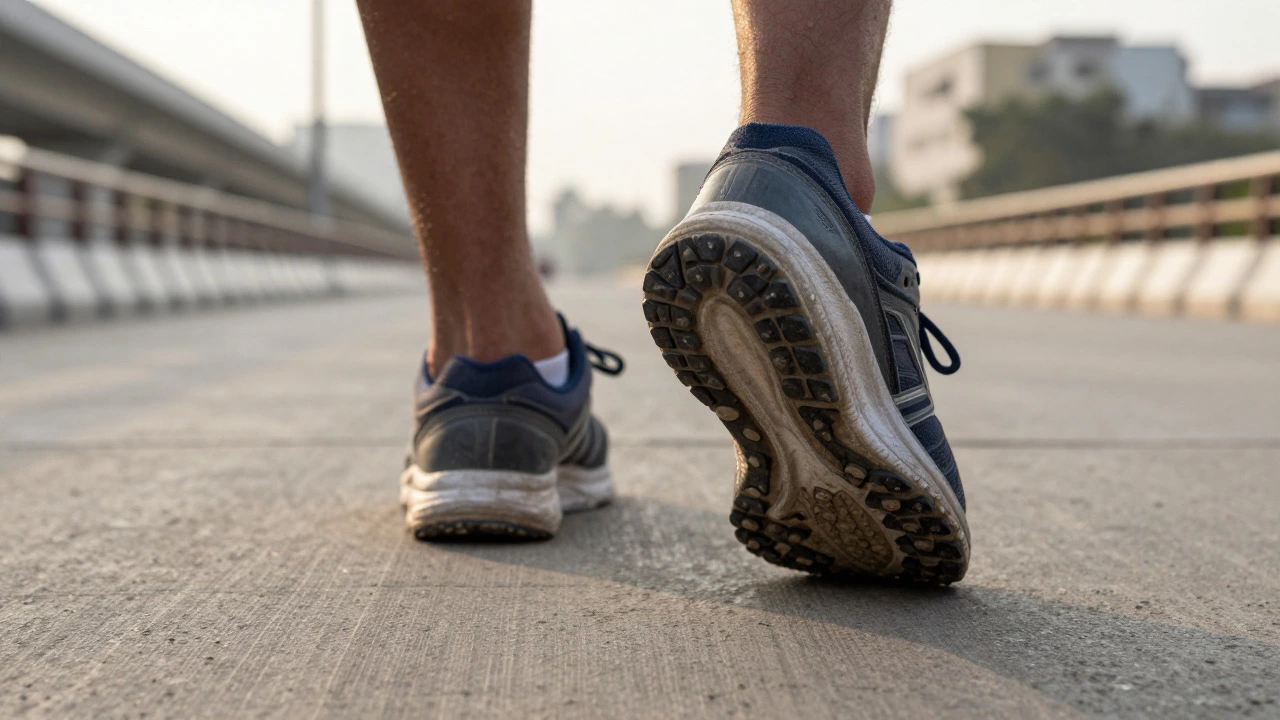
Mileage gives you a baseline, but visual inspection confirms the damage. Flip your shoes over and look at the outsole. The rubber tread should show consistent wear. If you see bald spots where the foam midsole is exposed, it’s time to go. Exposed foam wears down quickly because it lacks the protective rubber layer, leading to uneven support and potential slipping hazards.
Check the sidewalls next. Deep cracks or tears in the upper mesh indicate structural failure. While a small hole won’t stop you from running today, it compromises the shoe’s integrity. The foot needs containment to move efficiently. If the fabric is fraying significantly, the shoe can no longer hold your foot securely, increasing the risk of blisters and instability.
Pay attention to the heel counter-the stiff plastic piece at the back of the shoe. Squeeze it. If it bends easily or collapses inward, it has lost its rigidity. A weak heel counter fails to stabilize your ankle, forcing your calf muscles to work overtime to keep you balanced. This extra effort leads to premature fatigue and higher injury risk.
| Area to Check | What Indicates Wear | Consequence of Ignoring | |
|---|---|---|---|
| Outsole Tread | Bald spots, exposed foam, smooth patches | Reduced traction, accelerated midsole breakdown | |
| Midsole Foam | Deep creases, loss of bounce, flat appearance | Increased joint impact, knee/hip pain | |
| Heel Counter | Softness, bending, cracking | Ankle instability, Achilles strain | |
| Upper Mesh | Holes, fraying seams, stretched shape | Poor fit, blisters, lack of support |
The Physical Test: How They Feel
Sometimes the eyes deceive you. A shoe might look decent but feel terrible. Trust your body. If you start experiencing new aches after runs that previously felt good, suspect your footwear first. Common signs include:
- Joint Pain: Knee, hip, or lower back pain often signals lost cushioning. The shock isn’t being absorbed; it’s traveling up your kinetic chain.
- Foot Fatigue: If your arches or calves feel exhausted after short distances, the shoe may no longer provide adequate support or energy return.
- Uneven Comfort: One side feeling different from the other suggests asymmetric wear, which can alter your gait and lead to overuse injuries.
Try the "squeeze test." Press your thumb into the midsole near the ball of your foot. Compare it to a brand-new pair. If the old shoe feels hard and unyielding, the foam has compressed beyond recovery. Fresh foam should spring back immediately. Old foam stays indented. That lack of resilience is what makes running feel harder and less efficient.
Factors That Accelerate Wear
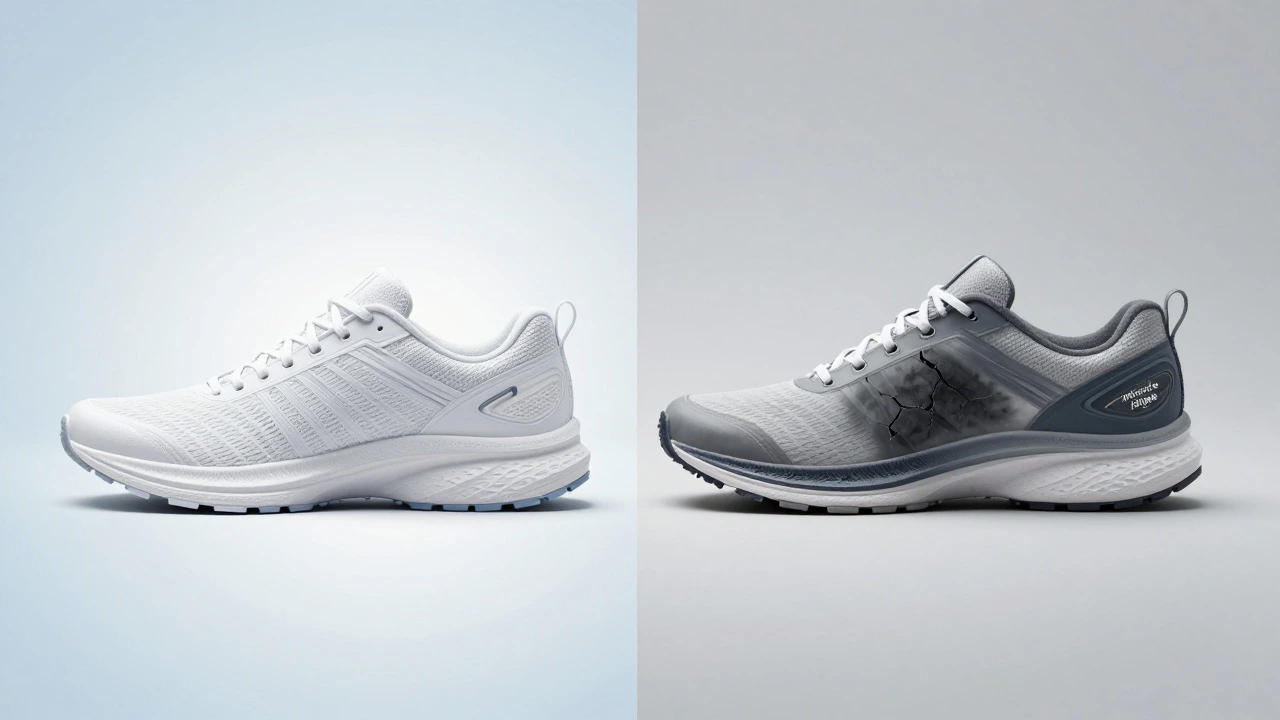
Not all shoes die at the same rate. Several variables shorten their lifespan significantly. Understanding these helps you adjust your replacement schedule.
Body Weight: Heavier runners exert more force with each stride. This increased load compresses the midsole faster. If you’re above 200 pounds, aim for the 300-mile mark rather than 500.
Running Surface: Concrete is brutal on shoes. Asphalt is slightly softer. Trail running on dirt or grass is gentler on the midsole but rougher on the outsole rubber. If you mostly run on city sidewalks, expect your shoes to degrade quicker.
Shoe Type: Max-cushion shoes often last longer than minimalist ones because they have more material to compress. However, lightweight racing flats wear out faster due to thinner layers. Daily trainers strike a balance, offering durability and comfort for regular use.
Storage Conditions: Heat and moisture are enemies of foam. Leaving your shoes in a hot car trunk or damp garage accelerates material breakdown. Store them in a cool, dry place to extend their life.
Common Myths About Shoe Replacement
Let’s clear up some misconceptions that keep runners lacing up dead shoes.
"If they look good, they’re good." False. As mentioned, midsole compression is invisible. A shoe can look brand new but offer zero cushioning. Always check the feel, not just the look.
"I can rotate two pairs to make them last longer." Partially true. Rotating shoes allows the foam to decompress and air out between runs, which can add 10-15% to their lifespan. However, rotation doesn’t stop mileage accumulation. Both pairs will still reach their limit based on total distance run.
"Expensive shoes last longer." Not necessarily. Price often reflects technology, design, or branding, not durability. Some budget-friendly models use durable rubber compounds that outlast premium options. Focus on construction quality, not price tag.

How to Extend Shoe Life
While you can’t stop wear entirely, you can slow it down. Save your best running shoes for actual running. Don’t wear them to the gym for weightlifting or walking around town. Different activities stress different parts of the shoe. Walking causes toe-banging, which damages the front. Lifting requires flat, stable soles, which running shoes aren’t designed for.
Clean your shoes regularly. Mud and debris grind against the materials, accelerating abrasion. Remove insoles and let them air dry after sweaty runs. Moisture breaks down adhesives and foams over time. Using a shoe deodorizer or cedar inserts helps absorb odor and moisture without damaging the structure.
Finally, consider buying two pairs and rotating them. This simple habit doubles the resting time for each pair, allowing the materials to recover fully. It also ensures you always have a backup if one pair gets caught in rain or mud.
Choosing Your Next Pair
When it’s time to replace your shoes, don’t just buy the same model again. Your feet change over time. Arch height, width, and pronation patterns can shift. Visit a specialty running store for a gait analysis. They’ll observe how you run and recommend shoes that match your current biomechanics.
Look for features that address your specific needs. Overpronators need stability shoes with medial posts. Neutral runners benefit from flexible, responsive cushioning. Long-distance runners prioritize durability and plushness, while speedsters want lightweight responsiveness.
Keep an eye on sales. Major brands release new models annually, driving down prices on previous versions. These older models are often nearly identical in performance but cost significantly less. It’s a smart way to stay within budget while getting high-quality gear.
How many miles should I run in a pair of shoes?
Most running shoes last between 300 and 500 miles. Lighter runners on soft surfaces may reach 500 miles, while heavier runners on concrete might need replacement at 300 miles. Track your mileage using a running app to stay accurate.
Can I fix worn-out running shoes?
You can patch holes in the upper or replace insoles for comfort, but you cannot restore compressed midsole foam. Once the cushioning is gone, the shoe’s primary function is compromised. Repairing cosmetic issues doesn’t fix structural failure.
Do running shoes expire even if unused?
Yes, foam materials degrade over time due to oxidation and environmental factors. Unused shoes stored for more than 2-3 years may lose some cushioning properties. Store them in a cool, dry place to minimize degradation.
Is it better to rotate multiple pairs of running shoes?
Rotating two or more pairs extends their lifespan by allowing the foam to decompress and dry out between runs. This practice can add 10-15% to the total mileage of each pair and reduces the risk of developing hotspots or blisters.
What happens if I run in worn-out shoes?
Running in dead shoes increases impact forces on your joints, raising the risk of injuries like shin splints, plantar fasciitis, and stress fractures. It also alters your gait, leading to muscle imbalances and chronic pain.
How do I know if my shoes are too narrow or wide?
Your toes should have room to wiggle without hitting the front. The sides of your foot shouldn’t spill over the midsole. If you experience numbness, tingling, or hot spots, the fit is likely incorrect. Consult a specialist for proper sizing.