Boxing Match vs Game Quiz
Test your knowledge about why boxing is a match rather than a game. Choose the best answer for each question to see if you understand the core distinction.
People often ask: is boxing a match or a game? It sounds like a simple question, but the answer reveals something deeper about how we see violence, skill, and discipline in sport. If you’ve ever watched a fight on TV and wondered why it feels so different from a basketball game or a tennis match, you’re not alone. The confusion comes from mixing up structure with intent. Boxing isn’t a game in the way chess or soccer is. It’s a match - a controlled, high-stakes contest where the goal isn’t to entertain, but to outlast and outthink your opponent.
Why Boxing Isn’t a Game
Call it a game, and you risk minimizing what it truly is. Games imply play, rules for fun, and outcomes that don’t carry real consequences. Boxing has none of that. A single punch landed wrong can end a career. A misstep in timing can break a jaw. Fighters train for years not to win a trophy, but to survive the ring. The sport doesn’t have teams, timeouts, or halftime. There’s no cheering for a ‘good shot’ if it’s a clean uppercut that drops your opponent. The crowd doesn’t cheer for creativity - they cheer for resilience.
Think of it this way: you don’t call a firefighter’s job a ‘game’ just because they follow procedures. You don’t call a surgeon’s work a ‘game’ because they use tools and techniques. Boxing is the same. It’s a discipline with strict rules, but the stakes are physical, psychological, and sometimes permanent.
What Makes It a Match
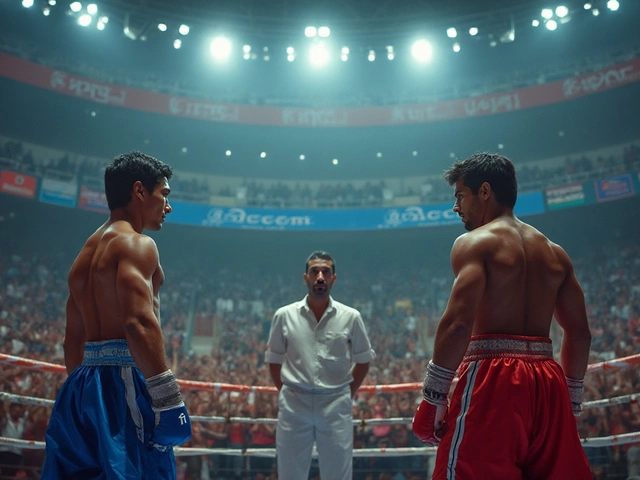
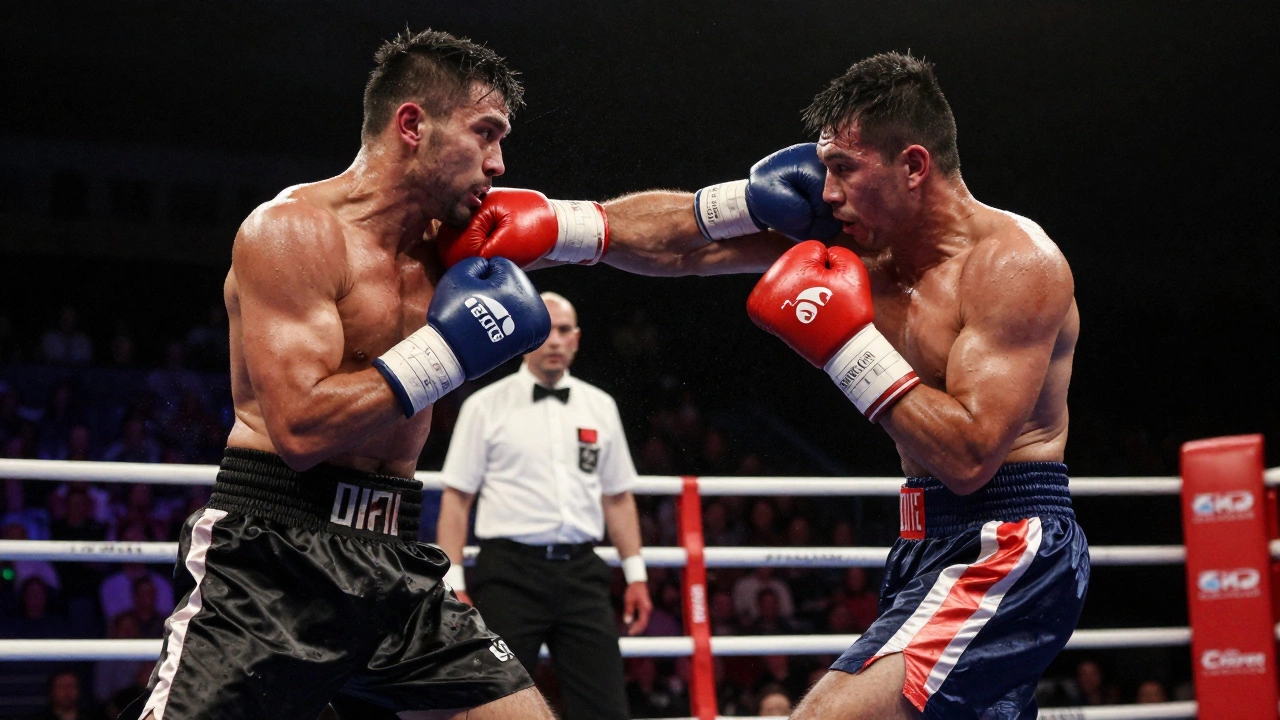
A match is a structured confrontation with a clear beginning, middle, and end. Boxing matches have rounds, judges, referees, and weight classes. Each round lasts three minutes. Fighters wear gloves, mouthguards, and headgear (in amateur bouts). The bell starts and stops the action. There’s no overtime, no shootouts. If you’re knocked down and can’t get up before the count of ten, you lose. Simple. Final.
Unlike games where scoring is frequent and cumulative - like goals in soccer or points in basketball - boxing scoring is abstract. Judges look at clean punches landed, ring control, defense, and aggression. It’s not about how many times you hit, but how effectively you hit. One perfect hook can win a fight, even if you threw ten fewer punches than your opponent.
This is why amateur boxing and professional boxing feel so different. Amateur bouts are scored more like a sport - points matter. Pro bouts are about damage, endurance, and will. A fighter might win by decision even if they took more punishment. That’s not a game mechanic. That’s survival.
The Rules Are Not Suggestions
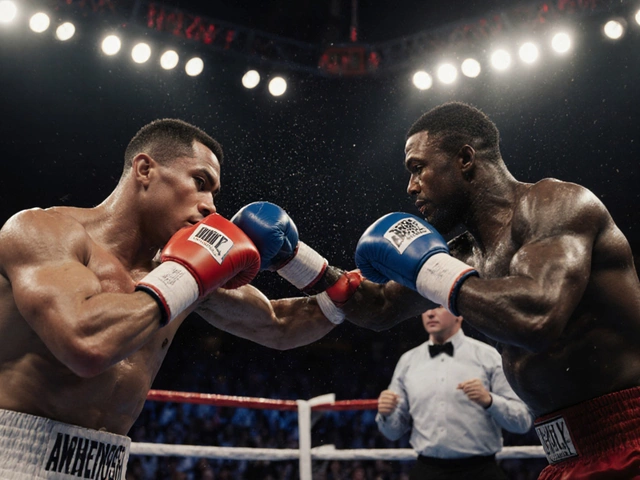
Boxing has rules - and breaking them has consequences. No hitting below the belt. No holding and hitting. No headbutts. No elbow strikes. No kicks. No biting. These aren’t arbitrary. They exist to keep the fight within a boundary where skill still matters. If boxing were a game, these rules would be optional. But they’re enforced with penalties: point deductions, warnings, disqualifications. In 2023, a pro fighter in Nevada was stripped of his win after an illegal elbow landed on the back of the head. The result was overturned. That’s not how games work. That’s how serious sports work.
Even the gloves are regulated. In amateur boxing, gloves are 10 ounces. In pro bouts, they’re usually 8 to 10 ounces. Why? Because lighter gloves mean more impact. The sport doesn’t hide the violence - it controls it. That’s the difference between a game and a match.
Training: Discipline, Not Play
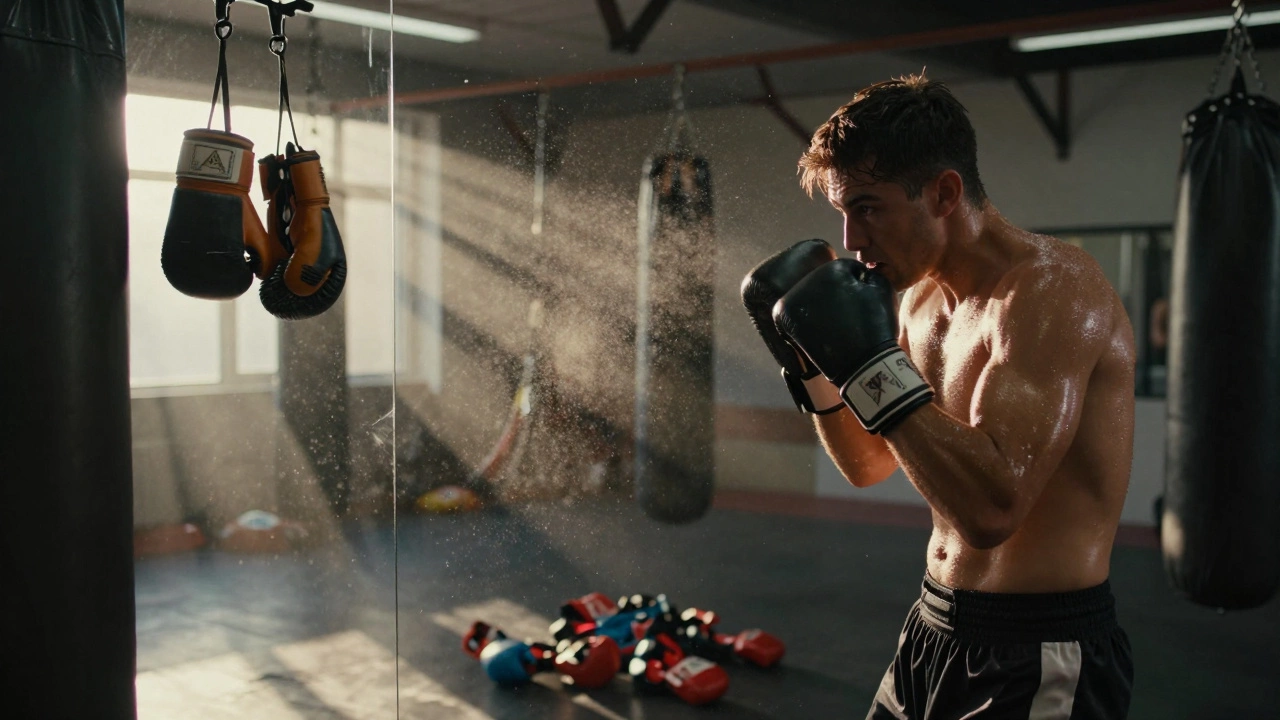
Boxers don’t train to have fun. They train to endure. A typical day might include: 5 miles of roadwork before sunrise, 100 rounds of shadowboxing, bag work, sparring, core drills, and stretching. Many fighters eat six meals a day, track every gram of protein, and avoid alcohol, sugar, and social events for months before a fight. This isn’t play. This is preparation for a life-altering event.
Look at Floyd Mayweather’s training camp. He trained in a remote compound in Nevada, surrounded by security, with a team of coaches, nutritionists, and physiotherapists. His schedule was broken into 15-minute blocks. Every minute had a purpose. He didn’t train to win a trophy. He trained to win a $30 million payday - and to walk out of the ring without brain damage.
Compare that to someone playing pick-up basketball in the park. One is a ritual of sacrifice. The other is recreation. That’s the gap between match and game.
Why People Confuse the Two
The confusion comes from media. TV broadcasts make boxing look flashy. Slow-motion replays, dramatic music, and highlight reels make it feel like entertainment. Promoters call it ‘the sweet science’ - a phrase that sounds poetic, but hides the brutality. Fans cheer like it’s a concert. Fighters walk out to hip-hop tracks. The ringside lights are bright. The crowd is loud.
But underneath all that, it’s still a fight. Two people, alone in a ring, trying to make the other quit. There’s no safety net. No substitute. No mercy rule. Even in amateur boxing, where the goal is to score points, fighters still get cut, bruised, and concussed. The sport doesn’t pretend to be safe. It just tries to make it as safe as possible.
Some people call it a game because it’s easier to digest. It’s comforting to think of violence as just another sport. But boxing doesn’t want your comfort. It wants your respect.
What Boxing Teaches About Life
There’s a reason why so many former boxers become coaches, mentors, or community leaders. The sport doesn’t just build muscle. It builds character. You learn how to take a hit and keep moving. You learn how to stay calm when everything is falling apart. You learn that discipline beats talent when talent doesn’t work hard.
Many kids from poor neighborhoods in Mumbai, Lagos, or Detroit find their way into boxing gyms because it gives them structure. The gym isn’t a playground. It’s a refuge. The coach isn’t a cheerleader. He’s a guide. The bell isn’t a signal to rest. It’s a signal to push harder.
That’s why boxing isn’t a game. It’s a mirror. It shows you who you are when you’re tired, scared, and alone. And if you can stand there and keep fighting - even when your body screams to quit - you’ve already won.
Amateur vs Professional: Two Sides of the Same Match
Amateur boxing, governed by organizations like AIBA and USA Boxing, is scored by points. Fighters wear headgear. Fights are three rounds. The goal is clean technique. This version is often seen as more ‘sport-like.’ But even here, injuries are common. Concussions happen. Broken noses. Torn ligaments. The rules are there to protect, not to make it fun.
Professional boxing is different. No headgear. Longer fights - up to 12 rounds. No points system that rewards volume. It’s about damage, ring IQ, and heart. A pro fighter might win by knockout, technical knockout, or decision. But the outcome is always the same: one man stands, the other doesn’t.
Both are matches. Neither is a game.
Final Thought: Respect the Match
Calling boxing a game isn’t just inaccurate - it’s disrespectful. It reduces a century-old tradition of discipline, sacrifice, and courage to something trivial. Boxing doesn’t need your approval. It doesn’t need your hashtags. It just needs you to understand what it is.
It’s a match. A brutal, beautiful, demanding test of human will. And if you ever step into a ring - even just to spar - you’ll know the difference.
Is boxing considered a sport or a fight?
Boxing is both a sport and a fight - but it’s officially classified as a combat sport. It has structured rules, weight classes, referees, judges, and international governing bodies like the International Boxing Association. While it involves physical combat, it’s regulated, trained for, and competed in with the same rigor as tennis or swimming. Calling it just a ‘fight’ ignores the discipline, strategy, and athleticism involved.
Why do people say boxing is a game?
People call boxing a game because of how it’s presented in media - flashy entrances, music, slow-mo replays, and highlight reels make it feel like entertainment. Some also use the term loosely to make the violence seem less serious. But this is misleading. Unlike games, boxing has no safety net. A single mistake can end a career or cause permanent damage. The term ‘game’ downplays the physical and mental toll fighters endure.
Are boxing matches dangerous?
Yes, boxing matches carry serious risks, including concussions, brain trauma, broken bones, and long-term neurological damage. Studies from the Journal of Neurosurgery show that professional boxers have a higher incidence of chronic traumatic encephalopathy (CTE) compared to athletes in non-contact sports. However, safety measures like mandatory medical checks, licensed ringside physicians, and stricter regulations have reduced fatalities since the 1980s. The danger is real - which is why it’s not a game.
Can boxing be practiced safely?
Yes, boxing can be practiced safely - especially in amateur or non-competitive settings. Many gyms focus on fitness, technique, and sparring with controlled intensity. Protective gear, supervised training, and strict rules reduce risk. Thousands of people box for exercise without ever stepping into a competitive ring. The danger comes from high-level competition, not the sport itself. Discipline and proper coaching make all the difference.
Is boxing more physical than other sports?
Boxing is among the most physically demanding sports. A 2022 study by the British Journal of Sports Medicine ranked boxing highest in overall physical fitness requirements - combining strength, endurance, speed, agility, and reaction time. Unlike football or rugby, where contact is part of play, boxing is built entirely around direct, targeted physical impact. There’s no padding to absorb blows. Your body takes the full force. That’s why boxers train harder and longer than most athletes.