Sports Material Selector Tool
Recommended Material
Based on your selections
Why this fits you:
- Weight
- Durability
- Cost Efficiency
- Strength
Ever picked up a tennis racket or held a pair of golf clubs and wondered why they feel so light yet incredibly strong? It’s not magic. It’s chemistry. The performance you get from your gear depends entirely on the elements used to build it. From the carbon in your bike frame to the titanium in your running shoes, these atomic building blocks dictate how fast, safe, and durable your equipment is.
We often think of sports gear as plastic or metal, but those are just macroscopic terms. At the core, every piece of high-performance equipment is a carefully engineered combination of specific elements. Understanding what goes into your gear helps you make smarter buying decisions and appreciate the technology behind the game.
The King of Lightness: Carbon
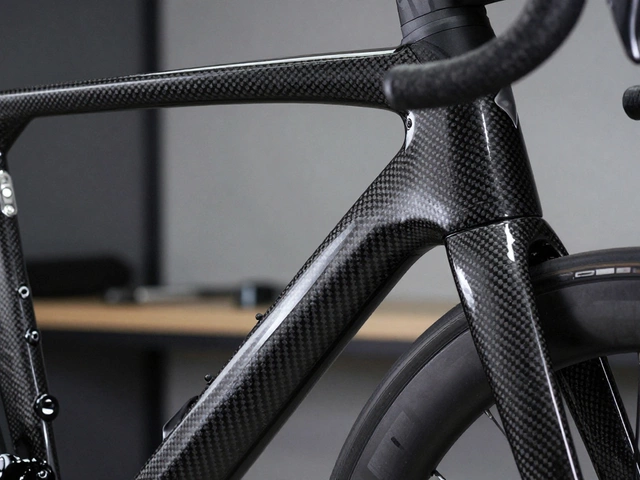
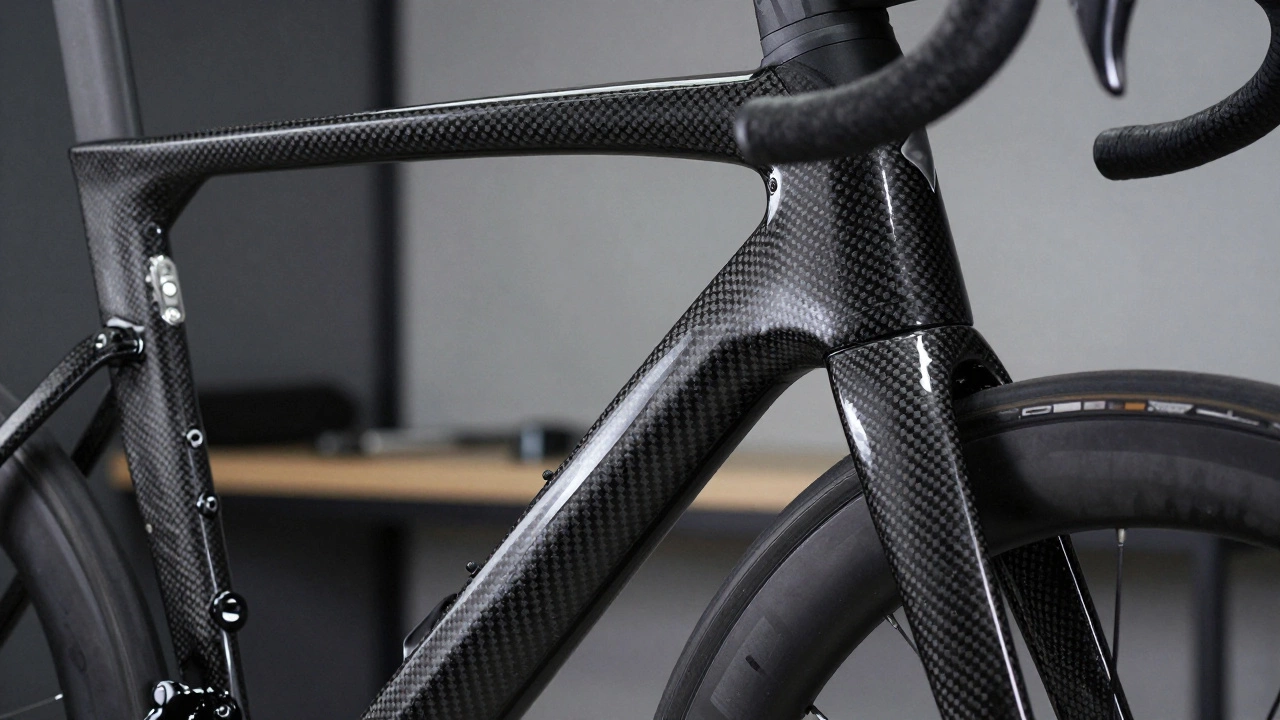
When we talk about "carbon fiber" in sports, we aren’t talking about pure graphite. We’re talking about long, thin strands of carbon atoms woven together and embedded in a resin matrix. This creates a material that is lighter than aluminum but stronger than steel.
You’ll find carbon everywhere in elite sports:
- Bicycles: High-end road bikes use carbon frames to minimize weight without sacrificing stiffness. This means every watt of power you put into the pedals translates directly to speed.
- Tennis Rackets: Carbon composites allow for thinner beams and larger sweet spots, giving players more control and less vibration.
- Hockey Sticks: Flex patterns are precisely tuned by adjusting the weave of carbon fibers, allowing for powerful slap shots.
The trade-off? Carbon can be brittle under impact. If you drop a carbon bike frame on concrete, it might crack rather than dent. But for weight-sensitive sports, nothing beats it.
The Tough Contender: Titanium
If carbon is about lightness, Titanium is a transition metal prized for its exceptional corrosion resistance and high tensile strength. It’s heavier than carbon but far more resilient than aluminum.
Titanium doesn’t fatigue easily. This means it can withstand millions of stress cycles without breaking down. That’s why it’s the go-to choice for components that endure constant repetition.
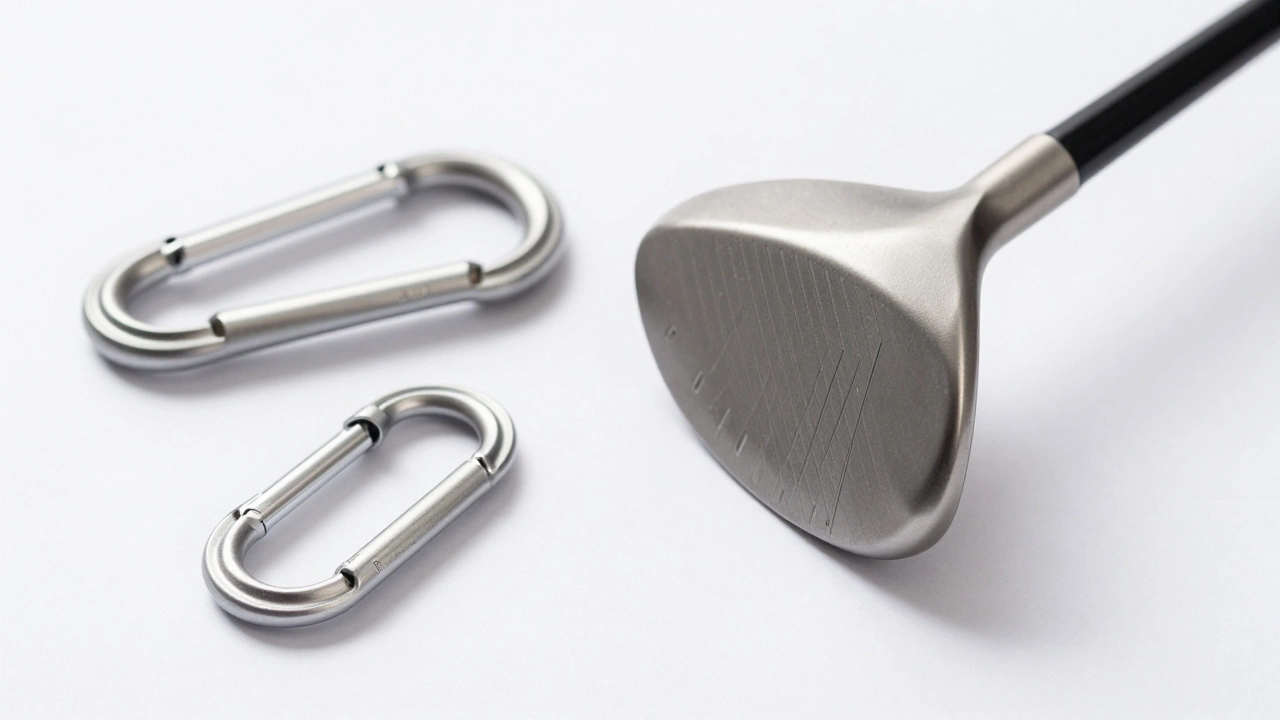
- Golf Clubs: Many driver heads are made from titanium alloys. Because titanium is strong, manufacturers can make the head larger and thinner, creating a bigger sweet spot and faster ball speeds.
- Running Shoes: Some minimalist shoes use titanium plates or springs to return energy with each stride.
- Climbing Gear: Carabiners and quickdraws are often titanium because they need to hold a climber’s weight repeatedly without stretching or failing.
Titanium is also biocompatible, which makes it ideal for prosthetics in adaptive sports. However, it’s expensive to machine, which keeps prices high for consumers.
The Workhorse: Aluminum
Aluminum is the most common metal in sports equipment. Why? Because it offers the best balance of cost, weight, and durability for mass-market products.
Pure aluminum is soft, so it’s almost always alloyed with other elements like magnesium, silicon, or copper to increase strength. These alloys are then heat-treated to achieve specific properties.
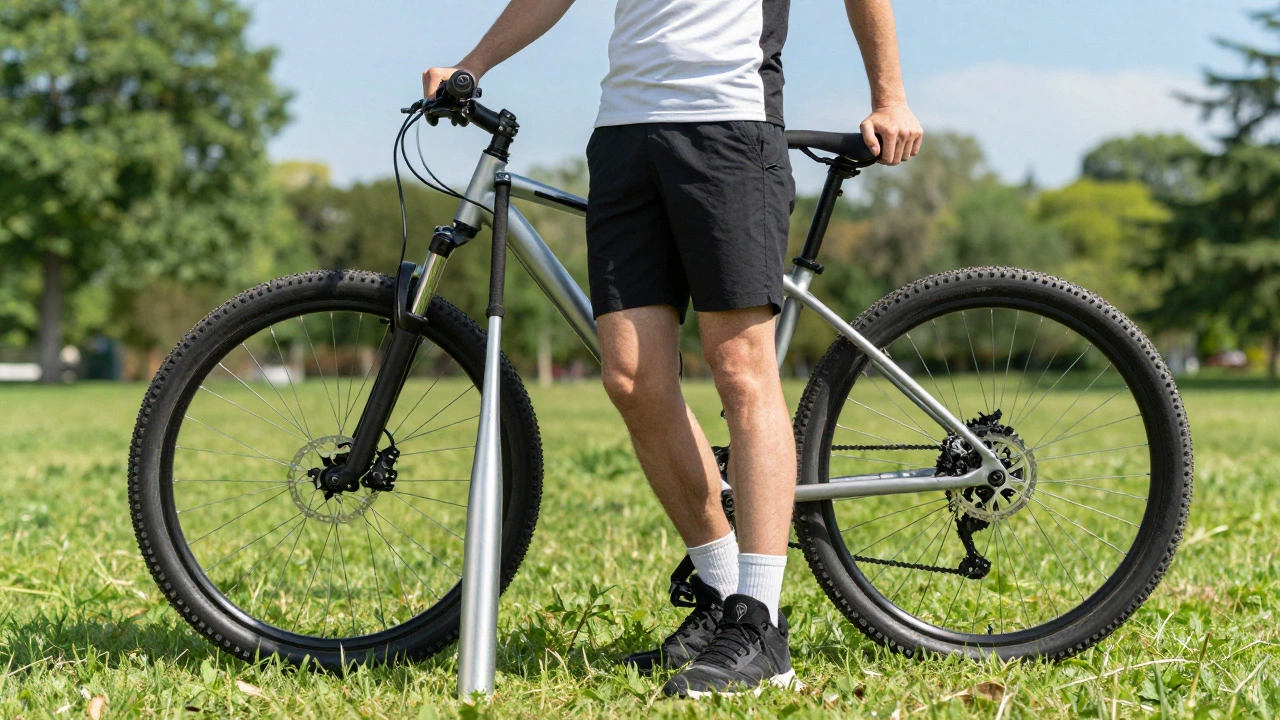
- Baseball Bats: Alloy bats (often aluminum or scandium-aluminum) are popular in amateur leagues because they’re durable and have a large sweet spot.
- Bicycle Frames: Entry-level and mid-range bikes use aluminum frames. They’re stiff and responsive, though they transmit more road vibration than carbon.
- Ski Poles: Lightweight and affordable, aluminum poles are standard for recreational skiers.
The downside? Aluminum fatigues over time. An aluminum bike frame might last five years before developing cracks, whereas a carbon frame could last ten. But for casual athletes, aluminum is hard to beat.
The Elastic Powerhouse: Polymers and Silicon
Not all sports equipment is rigid. Balls, shoes, and padding rely on polymers-long chains of molecules primarily made of carbon, hydrogen, oxygen, and silicon.
Rubber, for example, is a polymer derived from polyisoprene. Modern synthetic rubbers add elements like sulfur (for vulcanization) and silica to improve grip and durability.
- Sports Balls: Soccer balls use thermoplastic polyurethane (TPU) bladders for air retention and nylon or polyester covers for abrasion resistance.
- Shoe Soles: EVA (ethylene-vinyl acetate) foam provides cushioning. Adding silicon compounds improves wear resistance on rough surfaces.
- Protective Padding: Foams like expanded polypropylene absorb impact energy by compressing and then rebounding.
The key here is elasticity. You want materials that deform under pressure and then snap back to shape. Without precise chemical engineering, your shoes would flatten out after a few miles.
Safety First: Steel and Chromium
When safety is paramount, manufacturers turn to steel. Steel is an alloy of iron and carbon, often enhanced with chromium, nickel, or molybdenum.
Stainless steel, which contains at least 10.5% chromium, resists rust and maintains structural integrity under extreme force.
- Helmet Liners: While the outer shell might be polycarbonate, internal straps and buckles are often stainless steel for reliability.
- Fencing Weapons: Foils, epees, and sabres are made from spring steel to flex without breaking during parries.
- Weightlifting Plates: Cast iron or steel plates provide consistent, unyielding resistance.
Steel is heavy, so it’s rarely used where weight matters. But when you need something that won’t fail under load, steel is unmatched.
Comparison of Common Sports Materials
| Material | Primary Element(s) | Key Advantage | Main Disadvantage | Common Use |
|---|---|---|---|---|
| Carbon Fiber | Carbon | Lightweight & Strong | Brittle on Impact | Bikes, Rackets |
| Titanium Alloy | Titanium, Aluminum | Corrosion Resistant | Expensive | Golf Clubs, Climbing |
| Aluminum Alloy | Aluminum, Magnesium | Cost-Effective | Fatigues Over Time | Bats, Bike Frames |
| Stainless Steel | Iron, Chromium | Extreme Durability | Heavy | Weights, Buckles |
| Synthetic Rubber | Carbon, Hydrogen, Sulfur | Elasticity | Degrades with UV | Balls, Soles |
How to Choose Based on Elements
Your sport dictates the best material. If you’re racing, prioritize carbon for its low weight. If you’re playing a contact sport, look for steel-reinforced safety gear. For everyday training, aluminum offers the best value.
Check product labels for specific alloys. "7000-series aluminum" is stronger than "6000-series." "High-modulus carbon" is stiffer than "standard modulus." These details matter.
Don’t ignore maintenance. Carbon needs protection from sharp impacts. Titanium requires no special care. Aluminum should be inspected for cracks annually. Knowing the elements helps you care for your gear properly.
Is carbon fiber safer than aluminum?
It depends on the context. Carbon fiber is stronger in tension and lighter, making it safer for high-speed cycling due to better handling. However, it can fail catastrophically if cracked, whereas aluminum dents and gives warning signs. Always inspect carbon gear for hidden damage.
Why are titanium golf clubs so expensive?
Titanium is difficult to machine and weld. Its high melting point and reactivity require specialized equipment and processes. Additionally, titanium allows for larger club heads with thinner walls, providing performance benefits that justify the higher production costs.
Can I repair aluminum sports equipment?
Minor scratches can be polished, but structural cracks in aluminum are generally irreparable. Aluminum fatigues over time, and welding repairs often weaken the surrounding area. For safety-critical items like bike frames, replacement is recommended.
What elements are in running shoe soles?
Most soles use EVA foam (ethylene, vinyl, acetate) for cushioning and rubber (carbon, hydrogen, sulfur) for traction. Some high-performance shoes include carbon fiber plates or nylon rods for propulsion and stability.
Does steel rust in outdoor sports gear?
Standard iron-based steel rusts easily. However, stainless steel contains chromium, which forms a passive oxide layer that prevents corrosion. Most outdoor steel components are stainless or coated to resist moisture and sweat.