7 Punch Technique Simulator
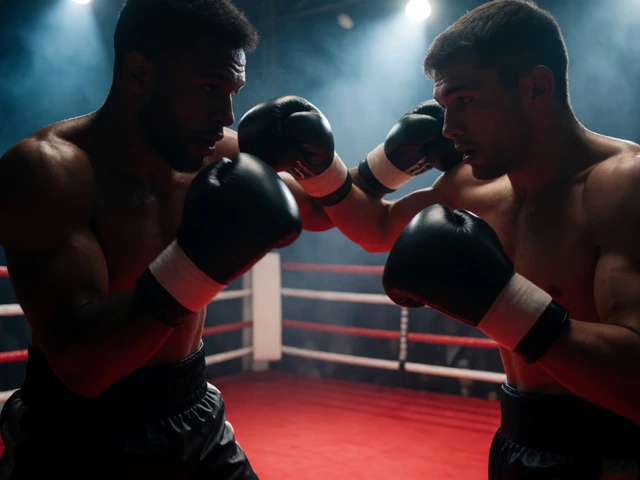
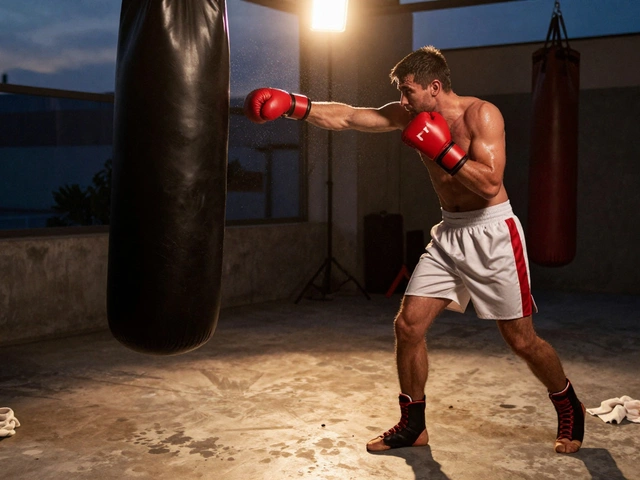
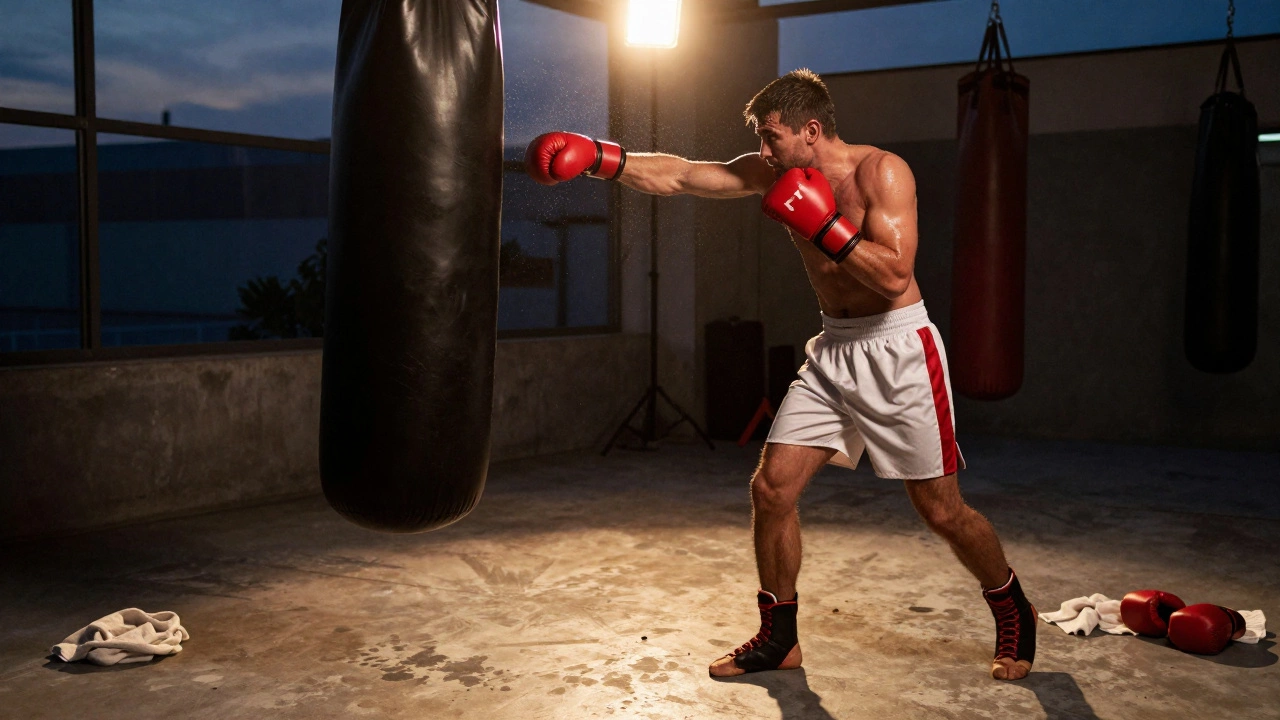
The 7 punch is a lead hook thrown after a 1-2 combo. This interactive shows the correct form, timing, and common mistakes. Use the controls to play the animation at different speeds.
7 Punch Demonstration
Correct Form vs. Common Mistakes
Correct Form
The 7 punch should:
- Be thrown after a 1-2 combo
- Use hip rotation for power
- Keep the elbow bent at 90 degrees
- Land with the first two knuckles
- Be delivered to the side of the head
Common Mistakes
Avoid these errors:
- Telegraphing the punch by lifting your shoulder early
- Over-rotating your whole body
- Making the punch too wide (windmill motion)
- Throwing it without a 1-2 setup
7 Punch Timing Guide
The 7 punch works best when thrown immediately after a 1-2 combo. The timing should be:
- 1: Jab (short, sharp punch to face)
- 2: Rear straight (snapping straight from shoulder)
- 3: 7 punch (lead hook with hip rotation)
- 4: Recover to guard position
The entire sequence should take 0.5-1 second to complete for proper timing.
When you watch a boxing match and hear commentators shout, "He lands the seven!", it’s not a count. It’s not a number of rounds. It’s a punch - the 7 punch - and it’s one of the most effective, yet misunderstood, strikes in the ring.
What exactly is a 7 punch?
The 7 punch is the lead hook. It’s thrown with your front hand - the left hand if you’re orthodox (right-handed), the right hand if you’re southpaw (left-handed). It’s called the 7 because of the old-school numbering system used in boxing gyms to teach combinations. Each number corresponds to a specific punch:
- 1 = Jab
- 2 = Rear straight
- 3 = Lead uppercut
- 4 = Rear uppercut
- 5 = Lead hook
- 6 = Rear hook
- 7 = Lead hook (same as 5, but from a different angle or setup)
- 8 = Rear hook (same as 6, but sometimes used for a higher target)
Wait - why are 5 and 7 both lead hooks? That’s where the confusion starts. In most modern training, 5 is the standard lead hook thrown from a neutral stance. The 7 punch is the same punch, but thrown as part of a specific combo - usually after a jab and a rear straight. It’s the punch that comes after the 1-2, when your body is already rotating and your lead shoulder is slightly forward. That extra momentum turns a regular lead hook into something more dangerous.
Why is the 7 punch so effective?
It’s not the hardest punch in boxing. It doesn’t have the raw power of a rear uppercut or the reach of a jab. But it’s sneaky. And that’s why it wins fights.
Most fighters expect the 1-2. They block the jab, slip the straight, and reset. But when you throw a 7 punch right after that 1-2, your body is already in motion. Your lead foot is pivoting, your hips are turning, and your shoulder is dropping. The punch doesn’t come from nowhere - it comes from the same motion that just threw the straight. Your opponent’s guard is still up, still focused on the centerline. They don’t see the hook coming from the side until it’s already on their temple.
Look at fighters like Manny Pacquiao or Vasyl Lomachenko. They don’t throw wild hooks. They use the 7 punch like a sniper shot - timed, compact, and perfectly placed. It’s not about power. It’s about precision. A clean 7 punch to the side of the head can stun a fighter, crack the jaw, or even knock them out cold.
How to throw a 7 punch properly
Throwing a good 7 punch isn’t about swinging. It’s about control. Here’s how to do it:
- Start with a solid 1-2 combo. Jab to the face, then snap the rear straight. Don’t overextend.
- As your rear hand comes back, immediately pivot your lead foot 45 degrees inward. Your weight shifts from your back foot to your front foot.
- Keep your elbow bent at 90 degrees. Don’t extend your arm - the power comes from your hip rotation, not your arm.
- Rotate your shoulder forward and down. Your fist should travel in a short, tight arc - not a wide loop.
- Land on the first two knuckles. Aim for the side of the head, just behind the ear. That’s where the skull is thinnest.
- Bring your hand back to guard immediately. Don’t leave it hanging.
Practice this slowly in front of a mirror. Watch your shoulder. If it rises too high, you’re telegraphing. If your elbow flares out, you’re losing power. The 7 punch should look effortless - like it just happened.
Common mistakes with the 7 punch
Even experienced fighters mess this up. Here’s what goes wrong:
- Telegraphing: Lifting the shoulder too early. Opponents see it coming a mile away.
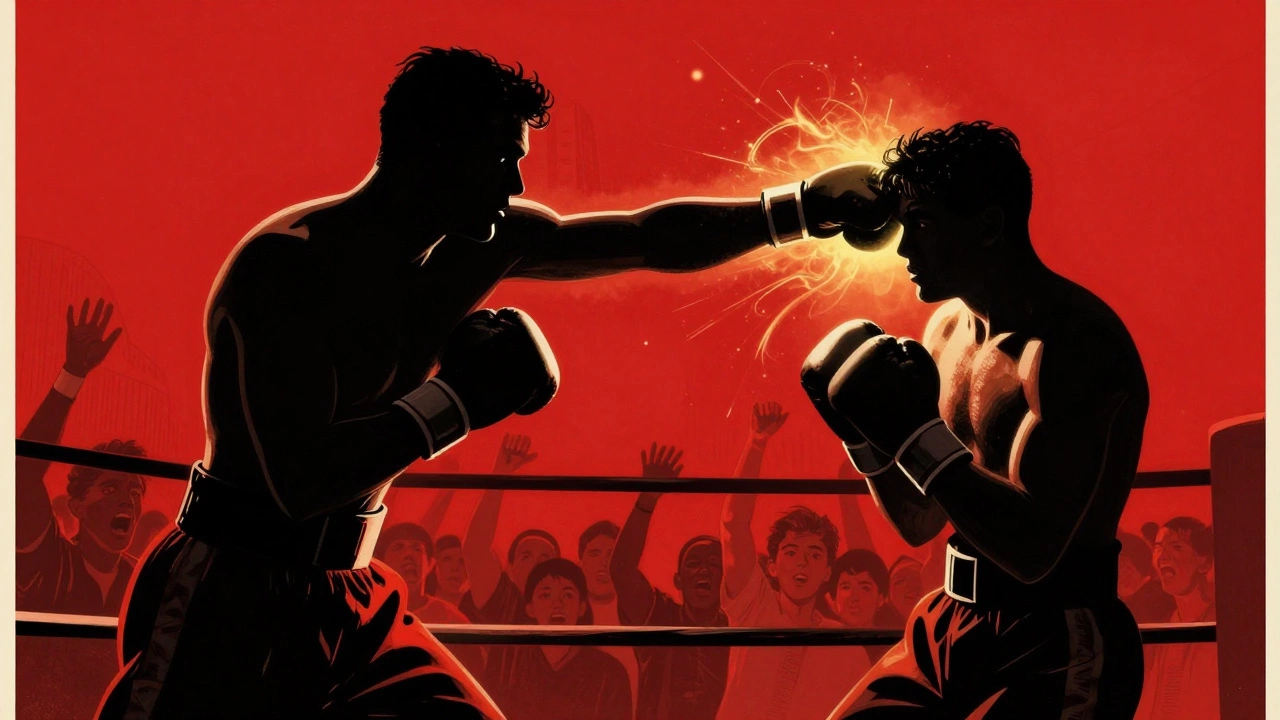
- Over-rotating: Turning your whole body like you’re throwing a haymaker. You lose balance and leave yourself open.
- Too wide: Making the arc too big. The 7 punch isn’t a windmill - it’s a whip.
- Throwing it alone: The 7 punch doesn’t work as a single shot. It needs the 1-2 to set it up. Throwing it by itself is like trying to sneak up on someone without a distraction.
One fighter I trained with used to throw the 7 punch from a distance - no setup, just a wild swing. He landed one in sparring, then got knocked out three minutes later because his guard was gone. That’s the risk. The 7 punch is a tool, not a miracle.
When to use the 7 punch in a fight
There are three perfect moments to use it:
- After a clean 1-2: Your opponent’s head is still moving from the straight. Their guard is down on the side.
- When they lean in: If they’re pressing forward, trying to close the distance, their chin is exposed. The 7 punch slips right under their guard.
- When they’re tired: Around rounds 4-6, fighters start to drop their hands. That’s when the 7 punch becomes a fight-ender.
Don’t use it early in the fight unless you’ve set it up. Don’t use it if you’re out of position. And never use it if you’re not ready to follow up. The 7 punch opens the door - but you’ve got to walk through it.
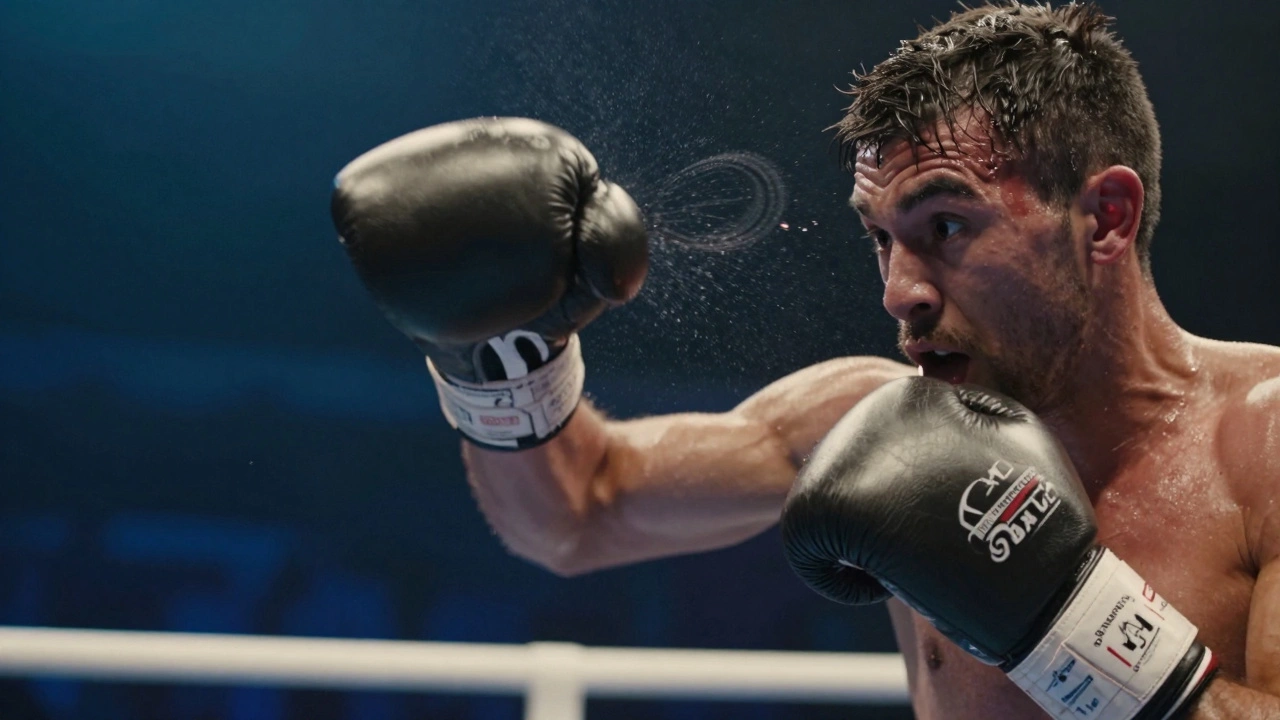
How to defend against the 7 punch
If you’re on the receiving end, here’s how to survive it:
- Keep your lead hand high: Don’t let it drop after a jab or straight. Your glove should be near your temple at all times.
- Slide your head: When you see the 1-2 coming, tilt your head slightly away from the lead hook. Don’t just lean back - move your whole upper body sideways.
- Block with your shoulder: If you can’t slip it, use your lead shoulder to absorb the impact. It hurts, but it’s better than your jaw.
- Counter with a straight: If you see the 7 punch coming early, throw your own rear straight as they rotate. Most fighters commit too early.
Boxers who survive the 7 punch don’t block it with their gloves. They avoid it with their heads.
Why you won’t see it in every fight
The 7 punch isn’t flashy. It doesn’t show up on highlight reels like a spinning backfist or a flying knee. But it’s in almost every elite fight - quietly, consistently. It’s the punch that breaks down defenses over time. It’s the punch that wins decisions.
Look at the 2025 fight between Canelo Álvarez and Jermell Charlo. Canelo didn’t land one huge knockout. He landed three clean 7 punches in rounds 5, 7, and 9. Each one made Charlo’s face twitch. Each one made him hesitate. By round 10, Charlo wasn’t throwing back. He was just covering up.
That’s the power of the 7 punch. It doesn’t end fights with one shot. It ends them with a thousand little taps.
Final thought: It’s not magic - it’s mechanics
The 7 punch isn’t a secret technique passed down by masters. It’s just good physics. Momentum. Timing. Geometry. You don’t need to be a genius to throw it. You just need to practice it right.
If you’re a beginner, start slow. Throw the 1-2-7 combo 50 times a day. Don’t worry about speed. Worry about form. Record yourself. Watch your shoulder. Watch your foot. If it looks like you’re trying to throw a baseball, you’re doing it wrong.
If you’re a fan, next time you watch a fight, count the 7 punches. You’ll start seeing them everywhere. They’re not loud. But they’re always there - quietly shaping the outcome of the fight.
Is the 7 punch the same as a lead hook?
Yes, the 7 punch is a lead hook - but it’s specifically the lead hook thrown after a 1-2 combination. The term "7 punch" comes from traditional boxing numbering systems, where the lead hook is often labeled as 5 or 7 depending on the context. In modern usage, "7" refers to the lead hook that follows the jab and rear straight, using the body’s natural rotation for extra power and surprise.
Can you throw a 7 punch without throwing a 1-2 first?
Technically yes, but it’s not effective. The 7 punch relies on the momentum from the 1-2 to create deception and power. Throwing it alone makes it slow, predictable, and easy to block. Elite fighters use it as a follow-up, not a standalone shot. If you throw it without setup, you’re giving your opponent a free counter.
Why do some coaches call it the 5 punch instead of the 7?
Different gyms use different numbering systems. Some label the lead hook as 5 and the rear hook as 6. Others reserve 7 for the lead hook thrown after a 1-2, distinguishing it from the basic lead hook (5). The variation comes from tradition, not rules. What matters is the motion - not the number.
Does the 7 punch work against taller opponents?
Yes, and that’s where it shines. Taller fighters often rely on their jab and reach. When they lean back to avoid the straight, their guard opens on the side. The 7 punch slips under that gap. It’s especially effective against fighters who keep their hands low or who overextend on the jab. Speed and timing beat height.
Is the 7 punch legal in professional boxing?
Absolutely. The 7 punch is a standard lead hook, thrown legally to the side of the head. As long as you’re not hitting below the belt, behind the ear, or with an open glove, it’s completely legal. It’s one of the cleanest, most technically sound punches in boxing.