Brazil isn’t just a country on a map-it’s a living, breathing explosion of color, rhythm, and raw energy. If you’ve ever seen a samba parade, watched a World Cup final, or flown over the Amazon’s endless green canopy, you know Brazil doesn’t do things quietly. But what exactly is Brazil best known for? It’s not just one thing. It’s a mix of natural wonders, world-shaking sports culture, and traditions that pull millions into its orbit every year.
Soccer isn’t just a sport-it’s the heartbeat of Brazil
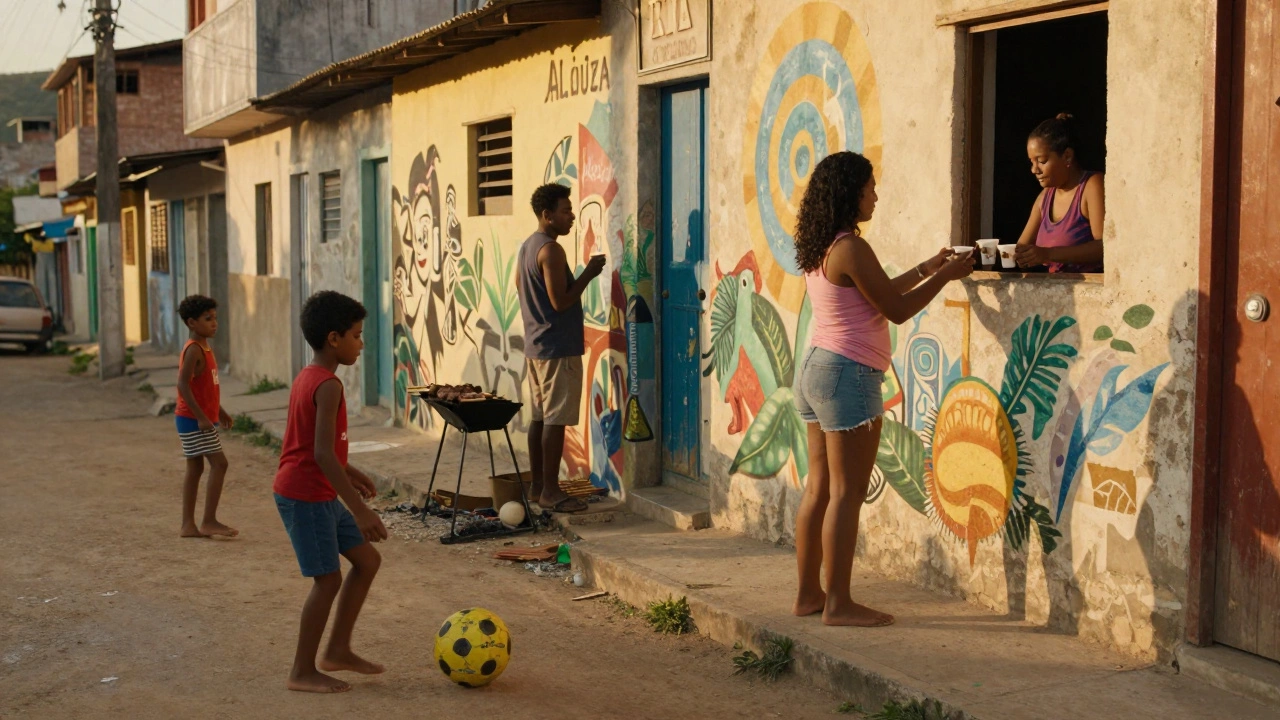
Ask anyone on the planet what Brazil is known for, and nine out of ten will say soccer. And they’re right. Brazil has won the FIFA World Cup five times-more than any other nation. Pelé, Ronaldo, Ronaldinho, Neymar-they’re not just players, they’re legends who turned football into art. Kids in favelas play with balls made of socks. Grandparents still talk about the 1970 team like it was a divine intervention. The passion isn’t just in the stadiums; it’s in the streets, the radios, the family dinners. When Brazil plays, the whole country stops. It’s not about winning or losing-it’s about identity. That’s why Brazil has produced more World Cup goals than any other country, and why its style of play-fluid, creative, unpredictable-is studied by coaches everywhere.
Rio Carnival: The world’s biggest party
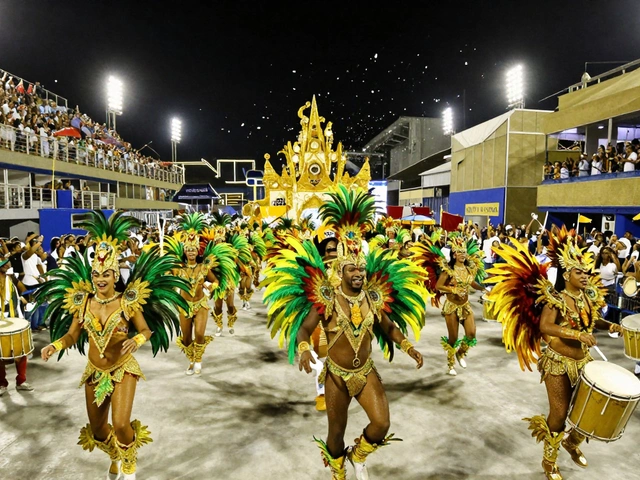
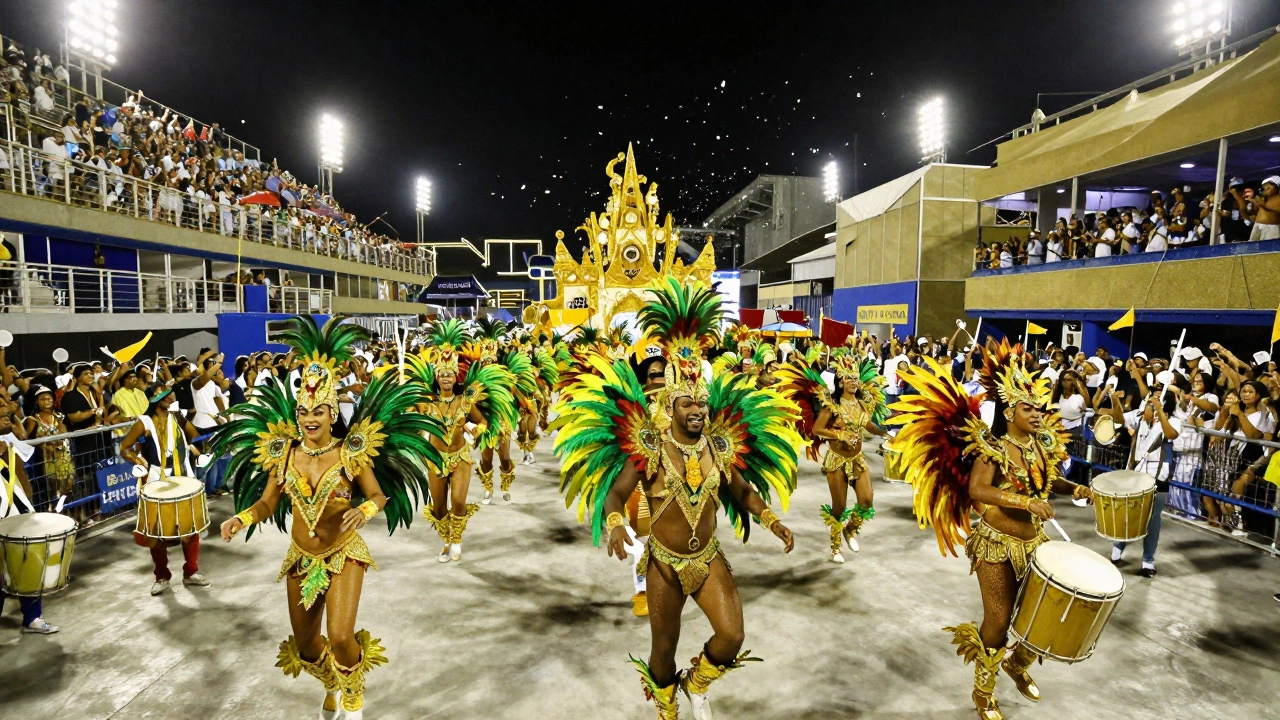
If soccer is Brazil’s soul, then Rio Carnival is its heartbeat on steroids. Every year before Lent, Rio transforms into a 48-hour explosion of feathers, drums, and movement. Over two million people flood the streets daily. Samba schools spend all year designing floats, sewing costumes that weigh over 100 pounds, and rehearsing routines that move thousands of dancers in perfect sync. The Sambadrome isn’t just a venue-it’s a temple of culture. Tourists come from every corner of the globe, but the real magic happens in the neighborhoods, where locals dance in the rain, sing at the top of their lungs, and forget about everything else. No other event on Earth draws this kind of raw, unfiltered joy. It’s not a show. It’s a collective breath.
The Amazon: Earth’s green lung
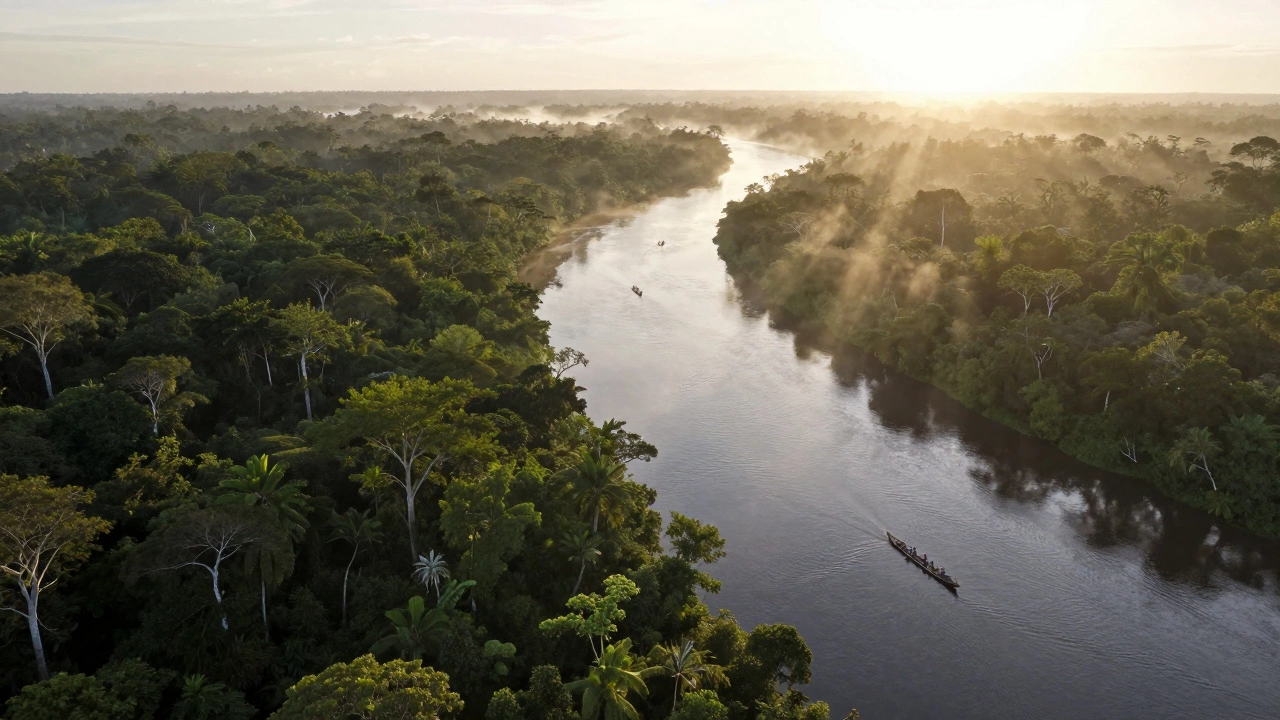
Brazil holds about 60% of the Amazon Rainforest-the largest tropical forest on the planet. It’s bigger than the entire European Union. This isn’t just trees. It’s 40,000 plant species, 1,300 bird species, 40,000 insect types, and countless indigenous communities who’ve lived here for thousands of years. The Amazon produces 20% of the world’s oxygen and regulates global weather patterns. It’s not a tourist attraction-it’s a lifeline. While deforestation remains a serious threat, Brazil’s protected areas still cover more than 1.2 million square kilometers. Scientists still discover new species here every year. The river alone is wider than some countries. To see the Amazon is to understand how fragile and powerful nature can be.
Brazilian coffee and cuisine: Flavor that travels
Brazil produces more coffee than any other country in the world. It’s not just a drink here-it’s ritual. You’ll find cafés on every corner, and the local way to order it? “Cafézinho”-a tiny, strong, sweet cup served in a demitasse. It’s not about caffeine. It’s about connection. When someone invites you for a cafézinho, they’re inviting you into their life.
Then there’s the food. Feijoada-a slow-cooked black bean stew with pork-is Brazil’s national dish. Churrasco isn’t just barbecue-it’s a whole afternoon of skewered meats carved tableside. Açaí bowls from the Amazon are now global, but in Brazil, they’re eaten for breakfast with granola and banana. Street food like pastel (fried pastry with cheese or meat) and pão de queijo (cheese bread) are eaten daily. Brazilian cuisine doesn’t try to impress. It just tastes real.
Beaches that define a lifestyle
When people think of Brazil’s beaches, they think of Copacabana and Ipanema in Rio. But Brazil has over 7,000 kilometers of coastline. From the turquoise waters of Fernando de Noronha to the wild dunes of Jericoacoara, each beach has its own rhythm. In Bahia, you’ll find capoeira performed on the sand. In Florianópolis, locals surf 20-foot waves. In the north, you can swim with sea turtles. Beach culture here isn’t about sunbathing-it’s about living. People gather, play football barefoot, dance to forró music, and eat fresh coconut water straight from the shell. There’s no rush. No deadlines. Just sun, salt, and silence between waves.
Music that moved the world
Brazil didn’t just invent samba-it gave the world a new way to feel rhythm. Bossa nova, born in the 1950s, turned jazz and samba into something soft, intimate, and unforgettable. João Gilberto’s voice, Antônio Carlos Jobim’s piano-they changed music forever. Today, axé, forró, and MPB (Música Popular Brasileira) still fill radios and clubs. Even global stars like Beyoncé and Coldplay have sampled Brazilian rhythms. You can’t understand modern music without Brazil. It’s not just about sound. It’s about movement, emotion, and storytelling through beat.
Why Brazil stands out
Brazil isn’t famous because it has the most of something. It’s famous because it feels the most. It’s the country where a child in a favela can grow up to be a World Cup champion. Where a single drumbeat can bring a city to its feet. Where a forest the size of a continent still holds secrets no scientist has named. It’s messy, loud, colorful, and deeply human. You don’t just visit Brazil-you experience it. And once you do, you never really leave.
Is Brazil known for rugby?
No, Brazil is not known for rugby. While rugby exists in Brazil and has a small but growing community, it’s nowhere near the cultural prominence of soccer, Carnival, or the Amazon. The country’s sporting identity is built around football, with the national team being one of the most successful in history. Rugby fixtures in Brazil are rare and mostly confined to university clubs or expat leagues. It doesn’t compare to the scale of Brazil’s global sports influence.
What makes Brazilian soccer different from other countries?
Brazilian soccer is defined by creativity, flair, and improvisation. While European teams often focus on structure and tactics, Brazilian players grow up playing futebol de salão (indoor soccer) and street football, which trains quick thinking and close ball control. This leads to a style full of dribbles, tricks, and unpredictable passes. Legends like Pelé and Ronaldinho didn’t just play-they performed. Brazilian clubs also produce more world-class talent per capita than any other nation, and the passion for the game is embedded in daily life, not just professional leagues.
How does the Amazon impact the rest of the world?
The Amazon Rainforest acts as Earth’s air conditioner and carbon sink. It absorbs billions of tons of CO2 each year and releases oxygen that affects global weather patterns. It also influences rainfall across North and South America-even as far as the U.S. Midwest. Deforestation here doesn’t just hurt Brazil-it speeds up climate change worldwide. Scientists say losing more than 20-25% of the forest could trigger irreversible collapse, turning parts of it into dry savanna. Protecting the Amazon isn’t a local issue-it’s a planetary one.
Is Rio Carnival just for tourists?
No, Rio Carnival is first and foremost a Brazilian cultural event. Tourists are welcome, but the real heart of Carnival beats in the neighborhoods and samba schools where locals spend months preparing. Many families have been part of the same samba school for generations. The parades are competitions, not performances. The music, costumes, and choreography reflect community pride, history, and social messages. While ticketed events in the Sambadrome attract international crowds, the street parties-called blocos-are free and open to everyone, including locals who dance in their everyday clothes.
What’s the most popular Brazilian food outside Brazil?
Açaí bowls are the most widely recognized Brazilian food outside Brazil, especially in North America and Europe. But the most authentic and widely consumed dish in Brazil is feijoada-a rich, slow-cooked stew of black beans and various cuts of pork, usually served with rice, collard greens, and orange slices. Churrasco (Brazilian barbecue) is also growing fast globally, thanks to its simple, flavorful approach to meat. Pão de queijo (cheese bread) is another favorite, especially among gluten-free eaters, because it’s made with cassava flour.
What to remember
Brazil isn’t a list of attractions. It’s a feeling. It’s the smell of rain on hot pavement before a storm. It’s the sound of a drumline echoing through a narrow alley. It’s the taste of a perfectly ripe mango eaten barefoot on a beach. You don’t learn about Brazil-you feel it. And that’s why, no matter how many times you’ve seen it in photos or videos, seeing it in person changes you.