Gym Etiquette Challenge: Master the Unwritten Rules
You are at a busy commercial gym during peak hours. Navigate these scenarios correctly to build your reputation as a respected community member.
Quiz Complete!
Your Gym Reputation Level:
Walk into any serious gym, and you’ll notice a silent language. It’s not spoken; it’s performed. There is the nod when someone finishes a heavy set. There is the quick wipe-down of the bench. And then there are the rules-the ones written on the wall, and the ones that live in the collective memory of every lifter who has ever stepped onto rubber flooring. But if you ask a veteran about "Gym Rule Number 4," they might pause. Why? Because unlike traffic laws, gym etiquette doesn’t have a universal numbering system.
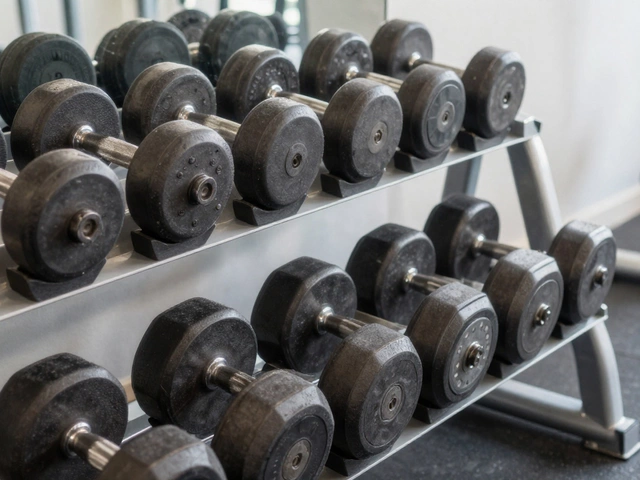
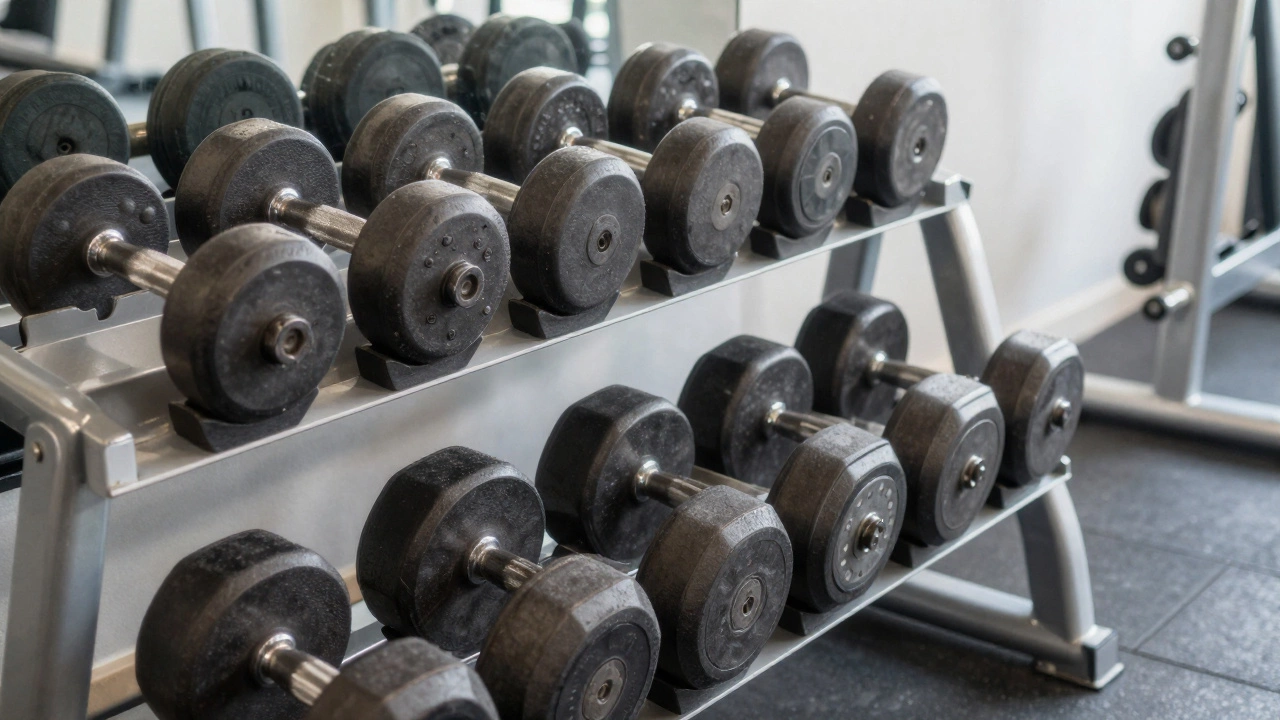
However, in the hierarchy of gym survival, one rule consistently rises to the top alongside re-racking weights and wiping down equipment. It is the rule that separates the ego-lifter from the community member. It is the rule that keeps everyone safe and sane. Most experts and long-time gym-goers agree that **Gym Rule Number 4** is this: Always return your weights and equipment to their designated place after use.
This isn’t just about tidiness. It’s about flow, safety, and respect. Let’s break down why this specific rule matters more than you think, how it fits into the broader code of conduct, and what happens when people ignore it.
The Hierarchy of Gym Etiquette
To understand why returning weights is often cited as the fourth or fifth cardinal sin (when violated), we need to look at the unwritten constitution of the gym. While gyms vary, the core principles remain remarkably consistent across commercial chains, CrossFit boxes, and independent powerlifting clubs.
| Priority Level | The Rule | Why It Matters |
|---|---|---|
| 1 | Spotting Safety | Spotting prevents injury and death. If you offer to spot, do it properly. |
| 2 | Hygiene & Wiping Down | Sweat is gross and spreads bacteria. Clean what you touch. |
| 3 | No Hogging Equipment | If you’re resting for 5 minutes between sets during peak hour, move to a different station. |
| 4 | Return Weights to Racks | Prevents tripping hazards, saves time for others, and shows basic respect. |
| 5 | Control Your Volume | No grunting like a demon unless you’re maxing out. No loud phone calls. |
You might wonder why "returning weights" isn't number one. That’s because safety (spotting) and hygiene are immediate physical concerns. But returning weights is the ultimate test of character. It’s the action you take when no one is watching. It’s the difference between using a space and belonging to a community.
Why Returning Weights Is Non-Negotiable
Imagine this: You’re halfway through your deadlift session. You finish a set, drop the bar, and walk away. Ten minutes later, another person walks up. They have to pick up two 45-pound plates, carry them back to the rack, and then load their own weight. That’s an extra minute of work, energy, and frustration before they’ve even lifted once.
Now multiply that by twenty people a day. That’s twenty minutes of wasted time, multiplied by hundreds of users. In a busy gym, efficiency is currency. When you leave weights scattered on the floor, you’re stealing time from everyone else.
But it goes deeper than inconvenience. Scattered weights create tripping hazards. A dumbbell left in the middle of a walking path can cause someone to twist an ankle or worse. In tight spaces, like around squat racks or cable machines, loose equipment can get caught in moving parts or block emergency exits. It’s a small act with big consequences.
The Psychology of the "Clean-Up" Mindset
Many beginners feel awkward picking up other people’s weights. They worry about interrupting someone’s rest period or being seen as nosy. Here’s the truth: Lifting someone else’s plate is a gift. It’s a silent thank-you note. It builds social capital. The next time you need help, that person will be more likely to assist you.
Think of it like leaving a restaurant table. You don’t expect the waiter to clear your plates while you sit there scrolling through your phone. You clear your space so the next guest can be seated. The gym is a shared workspace. Treat it with the same professionalism.
Also, consider the mental clutter. Walking into a gym where everything is organized reduces cognitive load. You know exactly where the 30-pound dumbbells are. You know the squat rack is clear. This predictability allows you to focus on your lift, not on navigating an obstacle course of negligence.
Common Violations and How to Handle Them
Even seasoned lifters slip up. Fatigue sets in. Distractions happen. But some violations are chronic. Here are the most common offenders and how to address them without starting a war.
- The Dumbbell Drop-Off: Someone leaves dumbbells on the bench instead of the rack. Fix: Pick them up yourself. Don’t wait. Don’t complain. Just fix it.
- The Plate Pile-Up: Barbell plates are stacked haphazardly on the floor near the squat rack. Fix: Re-rack them neatly. Ensure the pins are aligned.
- The Cable Machine Chaos: Handles are left dangling or tangled. Fix: Coil the cables loosely and place handles in their hooks.
- The Bench Press Blockade: Someone leaves the bar loaded and blocks access. Fix: If it’s been there for over 5 minutes, politely ask if they’re done. If not, wait elsewhere.
If you see someone repeatedly violating these rules, avoid confrontation. Instead, model the behavior. Consistently clean up after yourself and others. Over time, this sets a cultural norm. People mimic what they see. Be the standard.
Beyond Rule Number 4: The Full Spectrum of Respect
While returning weights is critical, it’s part of a larger ecosystem of respect. Let’s look at other key areas that define gym culture.
Hygiene: More Than Just Wiping Down
Wiping down benches is mandatory. But true hygiene includes more. Wear clean shoes. Avoid bringing strong perfumes or colognes into the weight room. If you’re sick, stay home. Gyms are high-touch environments. One person with the flu can shut down a section for days.
Space Awareness
In crowded gyms, personal space shrinks. Learn to share. If someone is waiting for the bench press, ask if you can work in. This means taking turns on the bench rather than letting them wait idly. Communication is key. A simple "Do you mind if I work in?" goes a long way.
Technology Etiquette
Headphones are your best friend. They signal that you’re focused and not open to conversation. Keep phone calls outside the workout area. If you must take a call, step into the lobby or hallway. Loud notifications disrupt concentration. Silence your device.
Building Your Own Gym Reputation
Your reputation in the gym is built on consistency. It’s not about lifting the heaviest weight; it’s about being the most reliable person in the room. When you follow Rule Number 4 and its siblings, you become a fixture. People recognize you. They trust you. They invite you to train together.
This social proof matters. Newcomers watch veterans. If they see you respecting the space, they’ll likely do the same. You become a leader without saying a word. This influence extends beyond the gym walls. It reflects discipline, consideration, and integrity-traits that translate to every area of life.
Final Thoughts on Gym Culture
Gym Rule Number 4 isn’t just about metal plates and racks. It’s about recognizing that we are part of a shared journey. Every rep you do is supported by the efforts of those who came before you and those who will come after. By keeping the space clean, safe, and efficient, you honor that continuity.
Next time you finish a set, take five seconds. Return the weights. Wipe the bench. Step aside. These small acts accumulate into a culture of respect. And in a world that often feels chaotic, that respect is priceless.
Is there an official list of gym rules?
No, there is no single official list of gym rules that applies everywhere. Each gym may have its own posted policies, but the "unwritten" rules like returning weights and wiping down equipment are universally accepted standards of etiquette among fitness enthusiasts.
What should I do if someone refuses to re-rack their weights?
Avoid direct confrontation. Instead, re-rack the weights yourself. This models positive behavior and maintains a peaceful environment. If the behavior is persistent and disruptive, consider speaking to gym management privately.
Why is wiping down equipment considered a top priority?
Sweat contains bacteria and salts that can corrode equipment and spread infections. Wiping down benches, machines, and mats protects both the facility’s investment and the health of other users. It’s a basic hygiene practice similar to washing hands.
Can I work in with someone who is hogging equipment?
Yes, if the gym is busy. Politely ask, "Do you mind if I work in?" Most experienced lifters appreciate the offer. However, if they decline or seem rushed, respect their decision and find another station.
Does gym etiquette vary by type of gym?
Yes, slightly. Commercial gyms prioritize speed and turnover, so efficiency rules are stricter. CrossFit boxes emphasize community and teamwork, so collaboration is key. Powerlifting clubs focus heavily on safety and technique, making spotting and form checks paramount.