Football Ritual Calculator
Your Football Impact
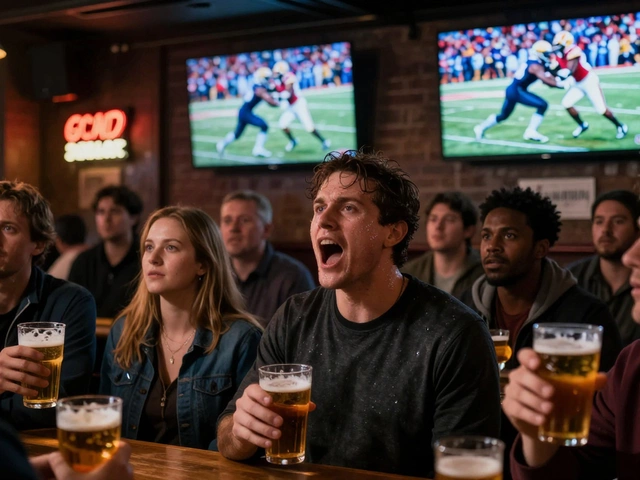
On any given Sunday in November, millions of Americans put everything else on pause. Kids stop playing video games. Offices clear out early. Bars fill up before kickoff. It’s not just a game-it’s a national ritual. And it’s not because football is the most popular sport in the world. It’s not even the most watched sport globally. But in the United States, football-American football-holds a grip that no other sport comes close to matching.
The Game Is Built for Drama
American football isn’t played like soccer or basketball. It’s not continuous. It’s stop-and-go, high-stakes, and brutally physical. Each play lasts about six seconds. Then the clock stops. Then the teams reset. Then the crowd holds its breath. That pause is where the tension builds. You get a full minute of strategy, anticipation, and noise before the next snap. That’s not an accident. It’s designed to make every moment feel like a turning point.
Think about it: a team has four chances to gain ten yards. If they fail, they lose possession. That’s high risk, high reward. One missed block. One bad throw. One fumble. One perfectly timed tackle. And the whole game flips. That’s why people say, ‘It’s a game of inches.’ It’s not just a saying-it’s how the game is played.
Sunday Is Sacred
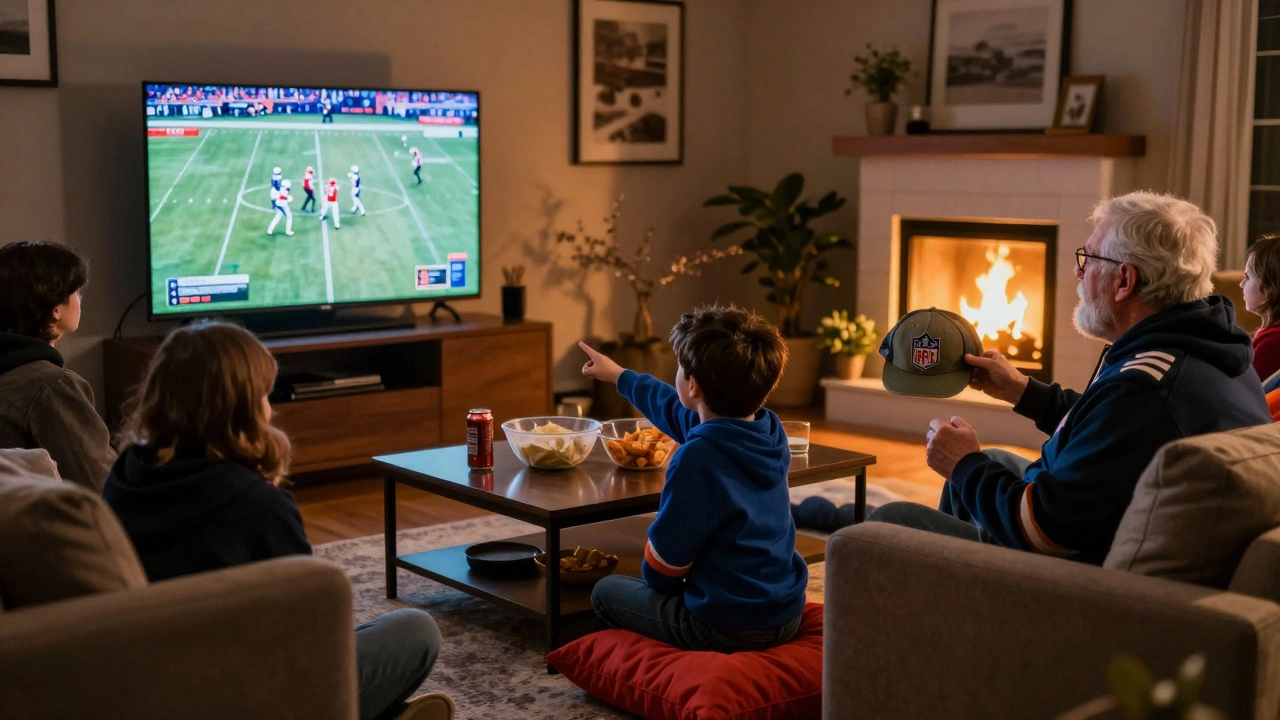
For most Americans, Sunday isn’t just a day of the week. It’s football day. Families gather. Friends meet. Even people who don’t care about stats or positions still show up. Why? Because it’s tradition. It’s what your dad did. What your uncle did. What your grandparents did before they passed away.
There’s no other sport in America that commands that kind of weekly loyalty. You don’t see people organizing their entire weekend around tennis matches or basketball games. But football? People plan vacations around the schedule. They call in sick to watch the game. They wear their team’s jersey like armor. The NFL schedules games to maximize viewership. And it works. In 2024, the average NFL game drew over 17 million viewers. The Super Bowl? Over 120 million. That’s more than the entire population of Canada.
Fan Identity Is Team Identity
In America, your favorite team isn’t just a group of players. It’s part of who you are. If you’re from Pittsburgh, you’re a Steelers fan. If you’re from Green Bay, you’re a Packers fan. If you’re from Dallas, you’re a Cowboys fan. And you don’t switch teams because the roster changed. You don’t jump ship because the coach got fired. You stick with your team through decades of losses.
That loyalty is tied to place. Many NFL teams are named after their cities-Steelers, Ravens, Titans, 49ers. These aren’t just brands. They’re symbols of local pride. A fan in Buffalo doesn’t root for the Bills because they’re winning. They root because their dad rooted. Their grandfather rooted. And their kid will root too.
There’s a reason the Green Bay Packers are owned by over 500,000 shareholders. It’s not a business move. It’s a statement: this team belongs to the people. Not to billionaires. Not to corporations. To the town.
The Rituals Are Bigger Than the Game
It’s not just about what happens on the field. It’s about what happens before, during, and after.
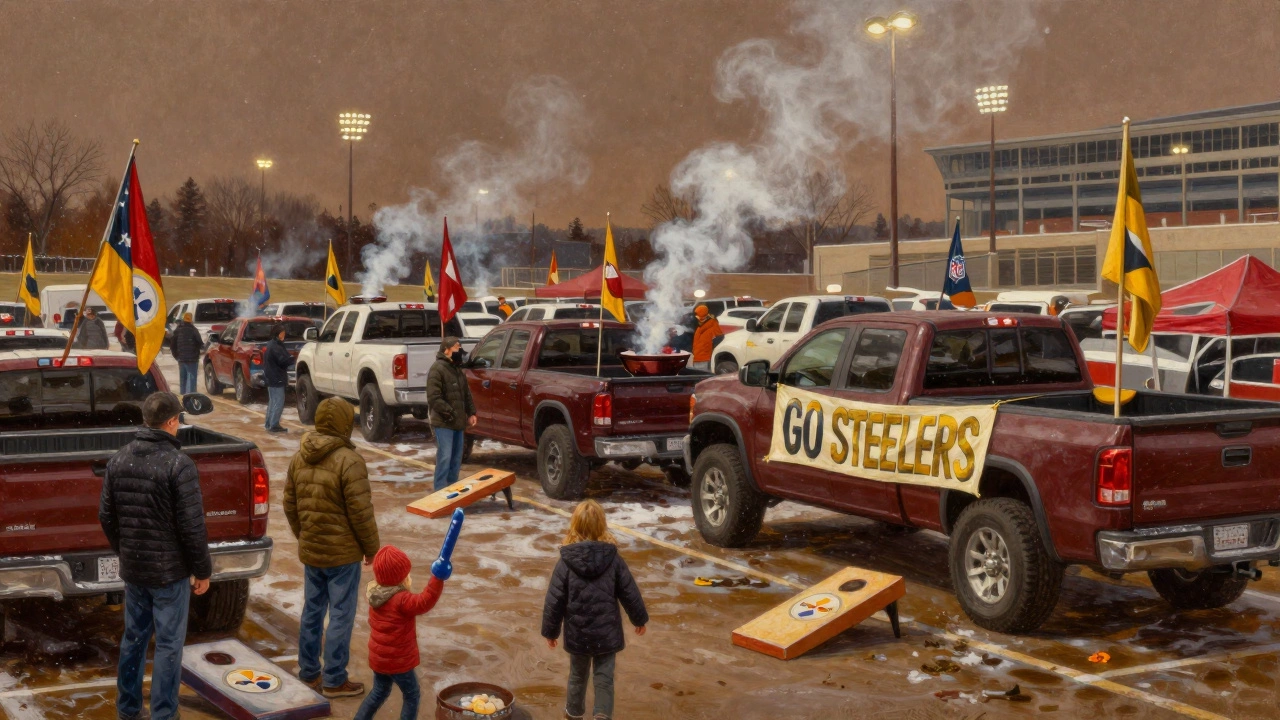
There’s the tailgate. The grills. The chili. The cornhole. The team flags flying from pickup trucks. The kids running around with foam fingers. The strangers who become friends because they’re both wearing the same jersey.
There’s the halftime show. Not just a performance-it’s a cultural event. Beyoncé, Bruce Springsteen, Rihanna, Kendrick Lamar. All of them have headlined. People don’t tune in just for the music. They tune in because it’s part of the ritual. The same way people wait for the Macy’s Thanksgiving Day Parade, they wait for the Super Bowl halftime.
And then there’s the food. No other sport has its own meal. Turkey sandwiches. Nachos. Buffalo wings. Beer. You don’t eat these things at a baseball game. You don’t snack on wings during a hockey match. But on Sunday? It’s expected. The NFL even partnered with snack brands to make it official. It’s not just a game. It’s a feast.
It’s a Storytelling Machine
Football is the most narratively rich sport in America. Every player has a backstory. Every coach has a legacy. Every draft pick is a hope. Every comeback is a miracle.
Think of Tom Brady. He was picked 199th in the draft. No one expected him to be great. But he won seven Super Bowls. He became the face of perseverance. Or Patrick Mahomes-wild, unpredictable, fearless. He plays like he’s making it up as he goes. And fans love that. Because it feels real.
There’s no other sport where the media spends so much time on personal drama. The quarterback’s injury. The coach’s meltdown. The rookie’s first touchdown. The veteran’s last game. Every moment is turned into a chapter. And fans follow along like they’re reading a novel.

It’s a Shared Experience in a Divided Time
In a country that’s more politically and culturally divided than ever, football remains one of the few things that still brings people together. You might disagree with your neighbor on taxes, climate change, or healthcare. But you both know who won the game last Sunday.
It’s not about politics. It’s not about ideology. It’s about who caught the ball. Who made the tackle. Who kicked the field goal. In those moments, differences fade. You’re just a fan. And so is the person next to you.
That’s why, even in 2025, when streaming services, social media, and AI dominate daily life, football still holds its ground. It’s not about technology. It’s about connection. It’s about showing up. Together.
The Numbers Don’t Lie
The NFL isn’t just popular. It’s a financial powerhouse. In 2024, the league generated over $20 billion in revenue. The average NFL franchise is worth more than $5 billion. The Super Bowl commercial slots cost over $7 million for 30 seconds. And people still watch. Not because they love ads. But because they love the game.
Attendance is still strong. Over 1.7 million fans showed up to regular season games in 2024. That’s more than the entire population of many U.S. cities. And those aren’t just ticket buyers. They’re participants. They’re part of the experience.
It’s Not About Skill. It’s About Belonging
Some people say football is too violent. Too slow. Too expensive. Too commercialized. And they’re not wrong. But those criticisms miss the point.
Americans don’t love football because it’s perfect. They love it because it’s theirs. It’s the game that grew up with them. The game that taught them teamwork, resilience, and loyalty. The game that turned strangers into neighbors and families into communities.
You don’t need to understand the difference between a zone blitz and a Cover 2 to feel it. You just need to have been there. On a cold Sunday. With your family. With your friends. With your team.
That’s why they love it.
Why is American football more popular than soccer in the U.S.?
American football became deeply tied to American identity through college programs, military influence, and TV broadcasting in the 1950s and 60s. Soccer was seen as a foreign sport and didn’t get the same investment. Football’s stop-start nature made it perfect for TV commercials, and its physicality appealed to American cultural values like toughness and strategy. Meanwhile, soccer struggled to gain traction in schools and media until recently.
Do people in other countries watch American football?
Yes, but not at the same scale. The NFL has grown its international fanbase, especially in the UK, Mexico, Canada, and Germany. Games are broadcast in over 180 countries, and the league has held regular-season games in London since 2007. But outside the U.S., it’s still a niche sport. Most people in other countries prefer soccer, rugby, or basketball. American football’s complexity and physicality make it harder to adopt without early exposure.
Why do NFL teams have such strong local identities?
Unlike many global sports leagues, most NFL teams are named after their cities (Steelers, Ravens, 49ers) and have deep roots in local history. Many were founded before the league became a national brand. Fans grew up supporting teams tied to their neighborhoods, schools, and families. The lack of promotion/relegation means teams don’t move or disappear, so loyalty becomes generational. Green Bay’s community ownership model reinforces this even further.
Is football declining in popularity among younger Americans?
There are concerns. Youth participation in tackle football has dropped over the last decade due to safety worries, especially around concussions. Some parents are choosing flag football instead. But TV viewership among 18-34-year-olds remains strong, and streaming platforms have made games more accessible. The NFL has also invested in expanding the game internationally and creating shorter, faster versions for digital audiences. So while the landscape is changing, the core fanbase hasn’t disappeared.
What role does the Super Bowl play in American culture?
The Super Bowl isn’t just a championship game. It’s a national holiday. It’s the most-watched TV event every year. People plan parties around it. Companies spend millions on ads because the audience is massive. Even non-fans tune in for the halftime show or the commercials. It’s a cultural reset-a day when the whole country stops, watches, and shares the same experience. It’s the closest thing America has to a unified ritual.