Sponsorship Impact Calculator
Equipment Cost Calculator
Results
Note: Professional sponsorship typically covers all equipment costs. Amateur costs include gear purchases and maintenance.
When you watch a professional athlete swing a golf club, spike a volleyball, or lace up their cleats, it’s easy to assume they’re using gear they picked out themselves. But the truth is more complicated. Do athletes really use their own equipment? The answer isn’t yes or no-it depends on the sport, the level, and sometimes even the contract.
It’s Not Always Theirs
Many elite athletes don’t own the gear they use during competition. In fact, most of it is provided by sponsors. A top tennis player might wear a racket strung with a specific tension, but that racket was likely custom-built by the manufacturer’s team, not bought off a store shelf. The same goes for NBA players with signature shoes, MLB pitchers with custom gloves, or NFL linemen with helmets engineered for their head shape.
Sponsorship deals aren’t just about logos. They’re about performance. Companies like Nike, Adidas, Wilson, and Rawlings invest millions to develop gear that gives athletes an edge. In return, they get visibility. That means the gear athletes use is often prototypes, limited editions, or hyper-customized versions that aren’t available to the public.
What They Do Own
Even if the big-ticket items are sponsored, athletes often keep personal items close. A baseball player might use the same batting glove for years because it fits perfectly. A swimmer might stick with a specific brand of goggles because they don’t fog up or leak. A golfer could carry a lucky ball marker or a worn-in glove they’ve had since college.
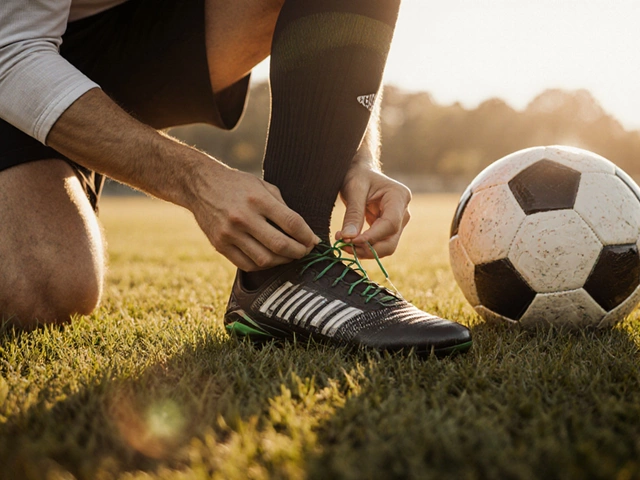
These personal touches aren’t just superstition-they’re comfort. In high-pressure moments, familiarity matters. A soccer player might wear the same socks under their cleats, or a weightlifter might use a specific chalk brand because it gives them the grip they trust. These small choices are theirs, even if the rest of the gear is branded.
Equipment That’s Actually Theirs
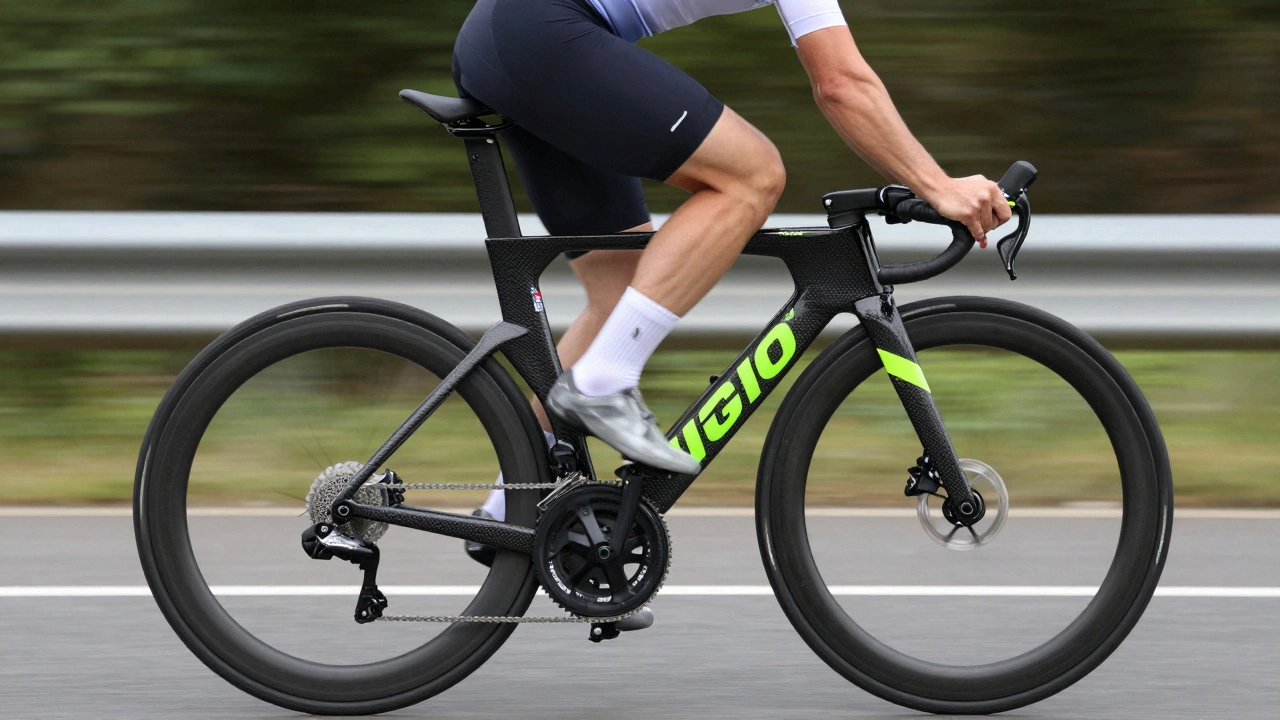
Some sports make it easier for athletes to own their gear. In cycling, for example, many riders own their bikes, wheels, and saddles. They work with fitters to customize every angle, and they often upgrade components themselves. In motorsports, drivers frequently own their racing seats, harnesses, and steering wheels-parts that are tailored to their body and driving style.
In combat sports like boxing or MMA, fighters often bring their own mouthguards, hand wraps, and even trunks. These are personal, sometimes handmade, and sometimes passed down. A boxer might use the same hand wrap technique their coach taught them 15 years ago, even if their gloves are a new model from a sponsor.
Why Sponsorship Rules the Game
Sponsorship isn’t just marketing-it’s economics. For most professional athletes, gear isn’t a choice. It’s a requirement. Contracts often include clauses that dictate what equipment they must use. A basketball player can’t suddenly switch from Nike to Under Armour mid-season unless they renegotiate. Even if they prefer another brand, the contract locks them in.
For lesser-known athletes, sponsorship is a lifeline. Without gear deals, they couldn’t afford the cost of high-performance equipment. A single custom golf club can cost over $1,000. A professional-grade running shoe runs $250. A top-tier hockey stick? $300. Multiply that by dozens of pieces of gear, and the cost adds up fast.
That’s why many athletes, especially in emerging sports or developing countries, rely on gear provided by teams or federations. In countries like India, where funding for athletics is limited, athletes often use donated or outdated equipment until a sponsor steps in.
The Rise of Personalization
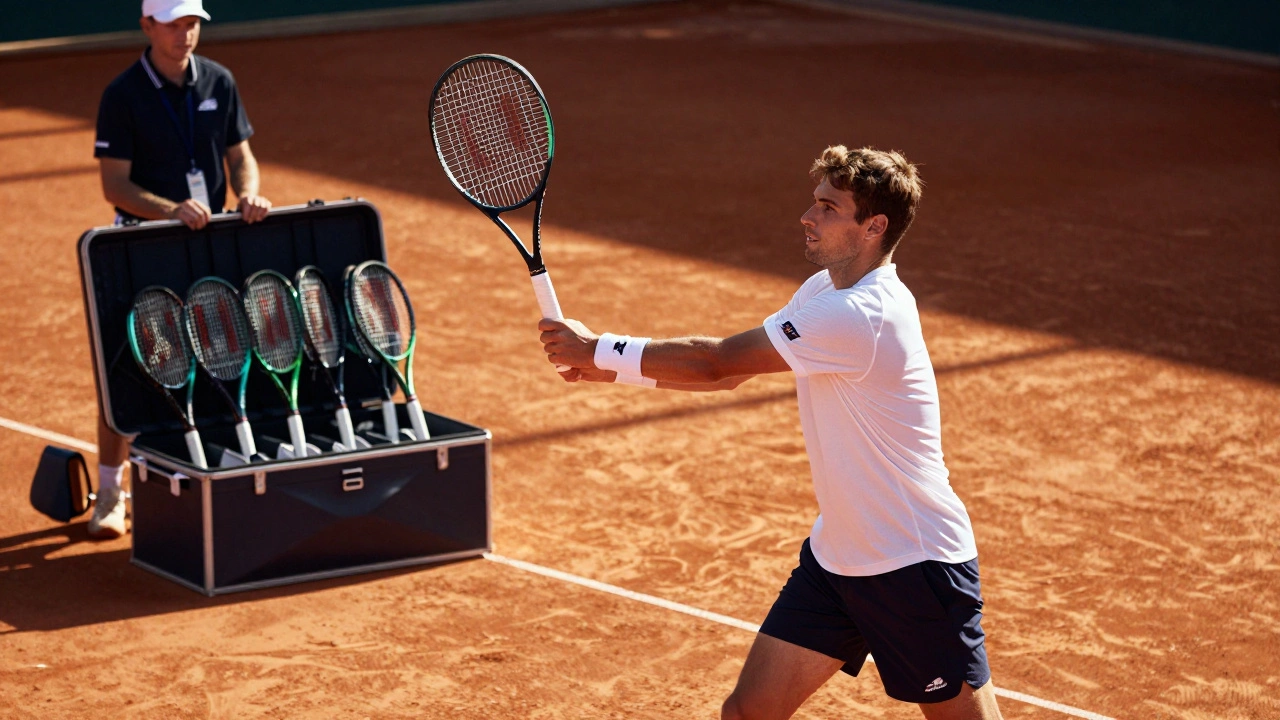
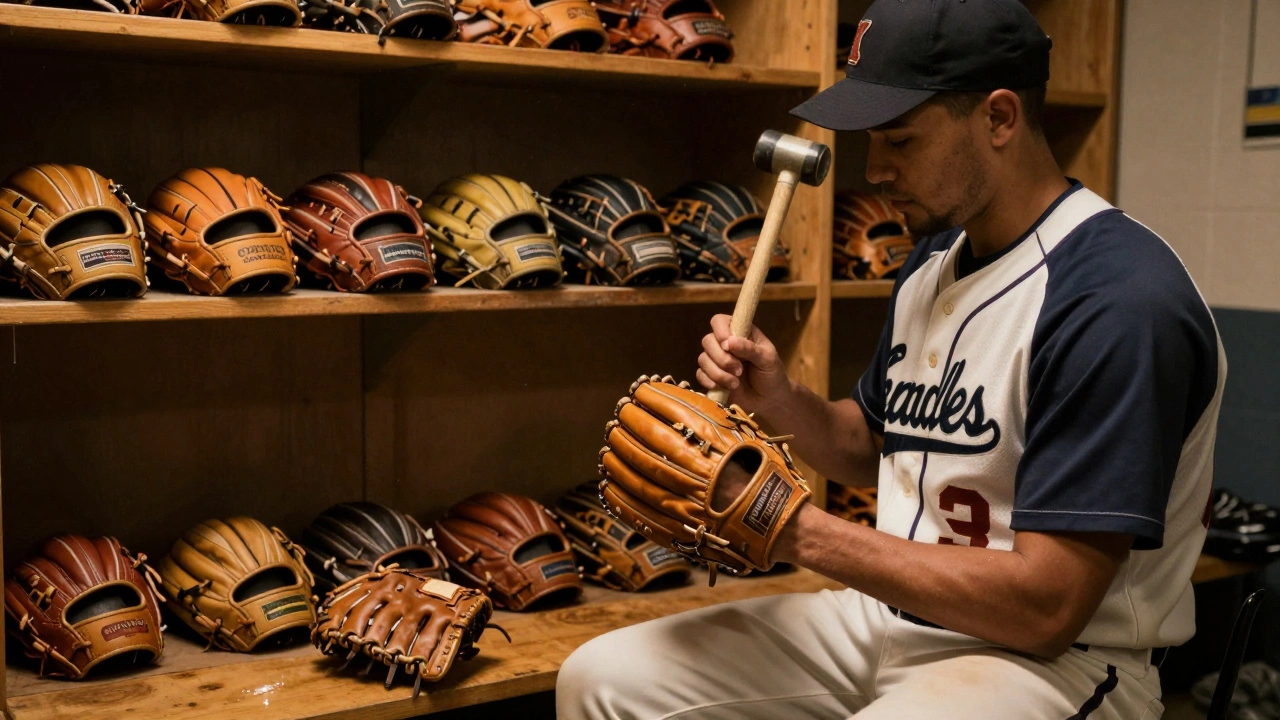
Even in sponsored gear, personalization is huge. A tennis pro might have 12 identical rackets on hand, each strung differently for different court speeds or weather conditions. A pitcher might have 15 gloves, each with a unique pocket shape based on the type of pitch they throw.
Manufacturers now use 3D scanning, pressure mapping, and motion analysis to build gear that fits like a second skin. A golfer’s club shaft might be bent to match their swing arc. A runner’s shoe might be molded from a cast of their foot. The gear still comes from a brand, but the customization makes it feel personal.
Amateurs vs. Pros
For amateur athletes, the answer is simpler: they almost always use their own gear. They buy it, maintain it, repair it, and replace it. They choose based on budget, comfort, and what works for them. There’s no sponsor dictating their choice.
But even here, the line is blurring. More recreational athletes are buying gear endorsed by pros-thinking it’ll make them perform better. The truth? A $500 running shoe won’t turn a weekend jogger into a marathoner. What matters more is fit, training, and consistency.
When Gear Fails
There are moments when sponsored gear lets athletes down. A tennis player’s racket string snaps mid-match. A cyclist’s carbon frame cracks. A baseball bat shatters on a swing. In those cases, the athlete doesn’t have time to shop. They rely on backup gear provided by the sponsor’s equipment truck.
Teams carry multiple versions of everything. A football team might have 50 helmets on the sideline, each sized and weighted for different players. A baseball dugout might have 20 bats lined up, each with a slightly different weight or balance. These aren’t the athlete’s personal gear-they’re backups, carefully selected by the equipment manager.
Final Thoughts
So, do athletes use their own equipment? Sometimes. Often, they use gear that’s been modified to feel like theirs. The equipment might come from a company, but the way it’s tuned, the way it’s broken in, the way it’s used-that’s all theirs.
At the top level, it’s less about ownership and more about control. The athlete doesn’t need to buy the gear. They need to trust it. And when they do, it becomes theirs-not because they paid for it, but because they’ve made it part of their game.