
Overtraining Risk & Recovery Quiz
Are you training smart or risking burnout? Answer these 5 questions to see if you understand the biology of growth and recovery.
Question goes here?
Quiz Complete!
You scored 0 out of 5
Walking into the gym feels like a victory. You crushed your goals, you feel strong, and the endorphins are flowing. So, why stop? It’s a natural thought: if one hour of lifting is good, surely two hours-or seven days a week-is better. But here’s the hard truth that most fitness influencers won’t tell you: going to the gym every single day might actually be destroying your progress.
The idea of daily consistency is admirable, but human biology doesn’t work on a calendar; it works on recovery cycles. Your muscles don’t grow while you’re lifting weights. They grow while you sleep, eat, and rest. If you constantly tear them down without giving them time to rebuild, you aren’t building strength-you’re breaking yourself down. This is where the line between dedication and overtraining gets blurry.
The Biology of Growth: Why Rest Is Not Laziness
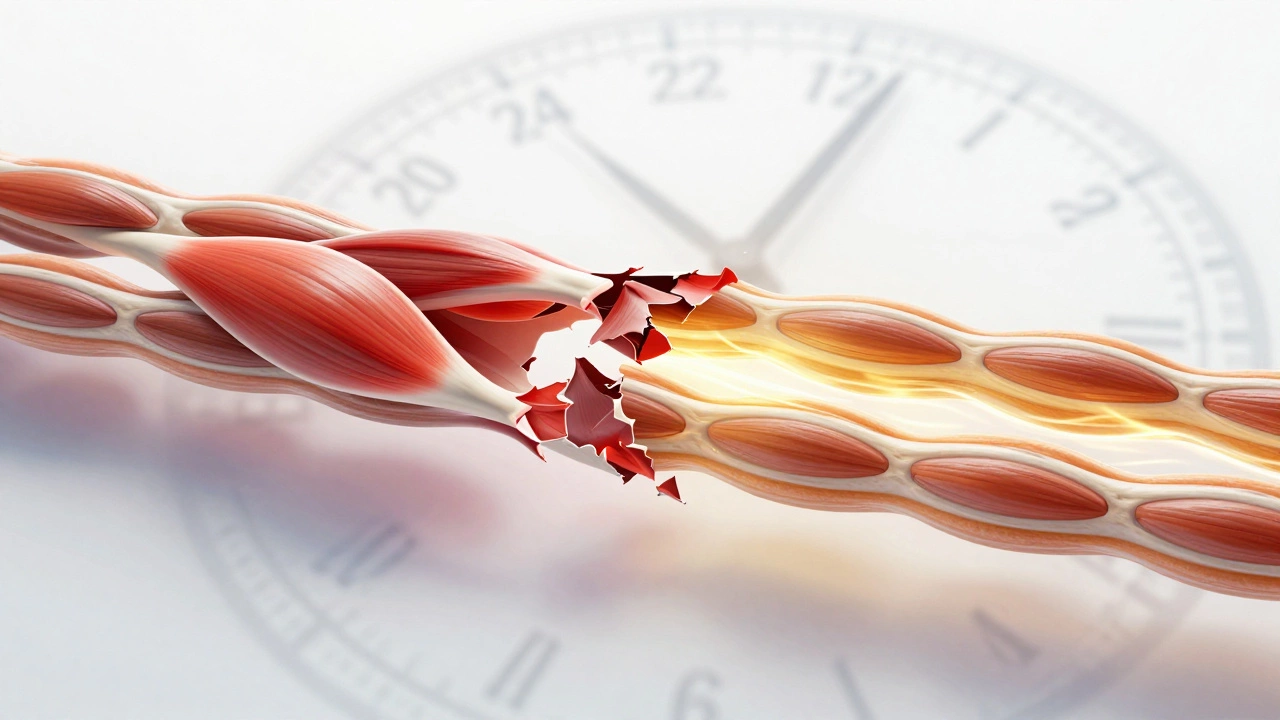
To understand why daily grinding can backfire, you need to look at what happens inside your body during a workout. When you lift heavy or run hard, you create microscopic tears in your muscle fibers. This process is called muscle damage, which is the controlled destruction of muscle tissue that triggers repair mechanisms. It sounds painful, but it’s necessary for growth.
However, the magic doesn’t happen in the gym. It happens in the next 24 to 72 hours. During this window, your body enters a phase known as supercompensation, where the body repairs tissues to be stronger than they were before the stressor. If you hit those same muscles again before this repair is complete, you interrupt the process. Instead of getting bigger and stronger, you stay broken down. This leads to plateaus, weakness, and eventually, injury.
Think of it like painting a wall. You apply the first coat (the workout). Then you have to wait for it to dry (recovery). If you slap another wet coat on top before the first one dries, you just get a messy, peeling disaster. Patience isn’t just a virtue; it’s a physiological requirement.
Signs You Are Training Too Much
How do you know if you’ve crossed the line from "hard worker" to "overtrained"? Your body sends signals long before you suffer a major injury. Ignoring these red flags is the fastest way to burn out.
- Persistent Fatigue: You feel tired all the time, not just after a workout. Even simple tasks feel exhausting.
- Performance Decline: Your lifts are getting lighter, your runs are slower, and you can’t hit previous personal bests despite trying harder.
- Sleep Issues: You either can’t fall asleep because your nervous system is fried, or you wake up feeling unrefreshed.
- Mood Swings: Irritability, anxiety, or lack of motivation are common signs of central nervous system fatigue.
- Frequent Illness: Overtraining suppresses your immune system. If you’re catching every cold going around Mumbai, your training volume is likely too high.
If you recognize more than two of these symptoms, step back. A week off might feel like failure, but it’s actually strategic maintenance.
Can Anyone Train Seven Days a Week?
Is daily training ever okay? Yes, but only under specific conditions. Elite athletes often train daily, but their programs are carefully periodized by coaches. They don’t go "all out" every day. Some days are active recovery, light mobility work, or low-intensity cardio.
For the average person, however, a strict 7-day split is rarely optimal. Here is how different approaches compare:
| Frequency | Best For | Risk Level | Recovery Need |
|---|---|---|---|
| 3-4 Days/Week | Beginners, General Health | Low | High (Full rest days) |
| 5-6 Days/Week | Intermediate Lifters, Bodybuilders | Medium | Moderate (Active recovery) |
| 7 Days/Week | Advanced Athletes, Endurance Sports | High | Strict Periodization Required |
If you are new to fitness, three to four days a week is plenty. Your body is adapting to new stimuli, and the systemic stress is higher than you think. As you become more advanced, you can increase frequency, but you must decrease intensity on certain days to balance the load.
The Power of Active Recovery
You don’t have to sit on the couch to recover. In fact, moving gently can speed up the process. This is called active recovery, which involves low-intensity movement that promotes blood flow without causing further muscle damage.
Instead of hitting the squat rack, try these options on your "off" days:
- Walking: A 30-minute walk increases circulation, helping to flush out metabolic waste products from muscles.
- Yoga or Stretching: Improves flexibility and reduces tension in tight areas like the hips and shoulders.
- Swimming: Provides a full-body workout with zero impact on joints.
- Cycling: Low-resistance cycling keeps the heart rate up without straining leg muscles.
This approach keeps you connected to your routine without burning out your central nervous system. It’s a win-win: you stay consistent, but you also heal.
Structuring Your Weekly Split
If you want to maximize gains, structure matters more than sheer volume. Here are three effective splits that allow for adequate recovery:
- Upper/Lower Split: Train upper body two days a week and lower body two days a week. This gives each muscle group 72+ hours to recover. Example: Monday (Upper), Tuesday (Lower), Wednesday (Rest), Thursday (Upper), Friday (Lower), Weekend (Rest).
- Push/Pull/Legs (PPL): Chest/shoulders/triceps one day, back/biceps the next, legs the third. Repeat the cycle. This usually fits into a 6-day week with one rest day, or a rotating schedule.
- Full Body: Train the entire body three times a week. This is highly efficient for beginners and busy professionals. Each session is intense, but the frequent rest days ensure full recovery.
Avoid training the same muscle group two days in a row unless you are doing very light volume. For example, don’t do heavy bench press on Monday and heavy shoulder press on Tuesday. Both exercises involve the chest and front delts, so they need time apart.

Nutrition and Sleep: The Hidden Variables
You can’t out-train a bad diet or poor sleep. If you are going to the gym frequently, your nutritional needs skyrocket. Protein intake is crucial for repair. Aim for 1.6 to 2.2 grams of protein per kilogram of body weight daily. Without enough fuel, your body will cannibalize muscle tissue for energy, leading to loss of strength.
Sleep is equally non-negotiable. Most adults need 7 to 9 hours of quality sleep. During deep sleep, your body releases growth hormone, which is essential for tissue repair. If you are sleeping five hours a night and training six days a week, you are setting yourself up for failure. No supplement or pre-workout drink can replace lost sleep.
Listening to Your Body vs. Ego Lifting
In the gym culture, there’s a lot of pressure to look busy. People judge others who leave early or take rest days. Ignore that noise. Your results are private; your health is permanent.
Learn to distinguish between "good pain" (muscle soreness) and "bad pain" (joint or tendon sharpness). Soreness peaks 24-48 hours after exercise and fades. Joint pain persists and worsens with movement. If you feel bad pain, stop immediately. Pushing through it leads to chronic injuries that can keep you out of the gym for months.
Also, track your progress. Use a notebook or an app. If your numbers aren’t going up, ask yourself: am I recovering enough? Often, the answer is no. Deload weeks-where you reduce weight and volume by 50% for a week-are powerful tools for long-term progression.
Is it bad to go to the gym every day?
It depends on your intensity and experience level. For beginners, daily training often leads to overtraining and injury because the body needs time to adapt. For advanced athletes, daily training can be sustainable if it includes active recovery days and varied intensities. However, for most people, 4-6 days a week with proper rest is more effective for long-term gains.
How many rest days do I need per week?
Most individuals benefit from 1-2 full rest days per week. Beginners may need 2-3 rest days. Advanced lifters might only need one, provided they incorporate active recovery. Listen to your body: if you feel chronically fatigued or your performance drops, add another rest day.
What is active recovery?
Active recovery involves low-intensity physical activity on rest days, such as walking, yoga, swimming, or light cycling. It helps improve blood flow, reduce muscle stiffness, and speed up the healing process without adding significant stress to the body.
Can I train the same muscle group two days in a row?
Generally, no. Muscle groups typically need 48-72 hours to recover fully after intense resistance training. Training them consecutively prevents proper repair and growth. Exceptions exist for very light volume or specific sports conditioning, but for hypertrophy and strength, spacing sessions out is key.
How do I know if I am overtrained?
Signs of overtraining include persistent fatigue, decreased performance, insomnia, mood changes, frequent illnesses, and lingering joint pain. If you experience multiple symptoms for more than a few weeks, you likely need a extended rest period or a reduction in training volume.