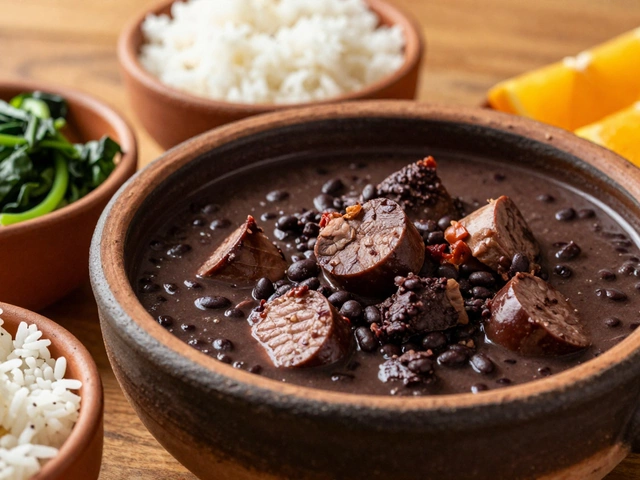
Feijoada Party Planner
Event Details
Your Shopping List
Based on the tradition of slow-cooking pork and beef cuts with black beans.
Main Ingredients
Side Dishes & Garnish
- White Rice (Cooked) -
- Couve (Collard Greens) -
- Fresh Oranges -
Enter your guest count and click "Generate" to get your ingredients.
When you land in Brazil, you won't just discover a new language or vibrant culture-you'll dive into a culinary world that's completely different from anything else. Brazilian food isn't just sustenance; it's a reflection of centuries of cultural mixing, indigenous traditions, Portuguese colonization, and African influences rolled into one incredible plate.
If you've heard about feijoada, the national dish everyone talks about, you're starting to get a glimpse, but there's so much more behind the scene. From street stalls selling warm cheese breads to elaborate feast tables during Carnival, Brazilian cuisine offers layers of flavor that change with each region.
Key Takeaways
- Feijoada is the most famous traditional dish, featuring black beans slow-cooked with pork and beef cuts
- Brazilian BBQ called churrasco comes from gaucho cowherd traditions and features rotisserie-style grilled meats
- The açaí bowl has become globally popular, originating from Amazon region indigenous communities
- Regional differences matter-coastal areas feature seafood dishes like moqueca while interior regions favor meat-heavy meals
- Sweet treats like pão de queijo and desserts are everyday staples rather than occasional indulgences
The National Dish: What Is Feijoada?
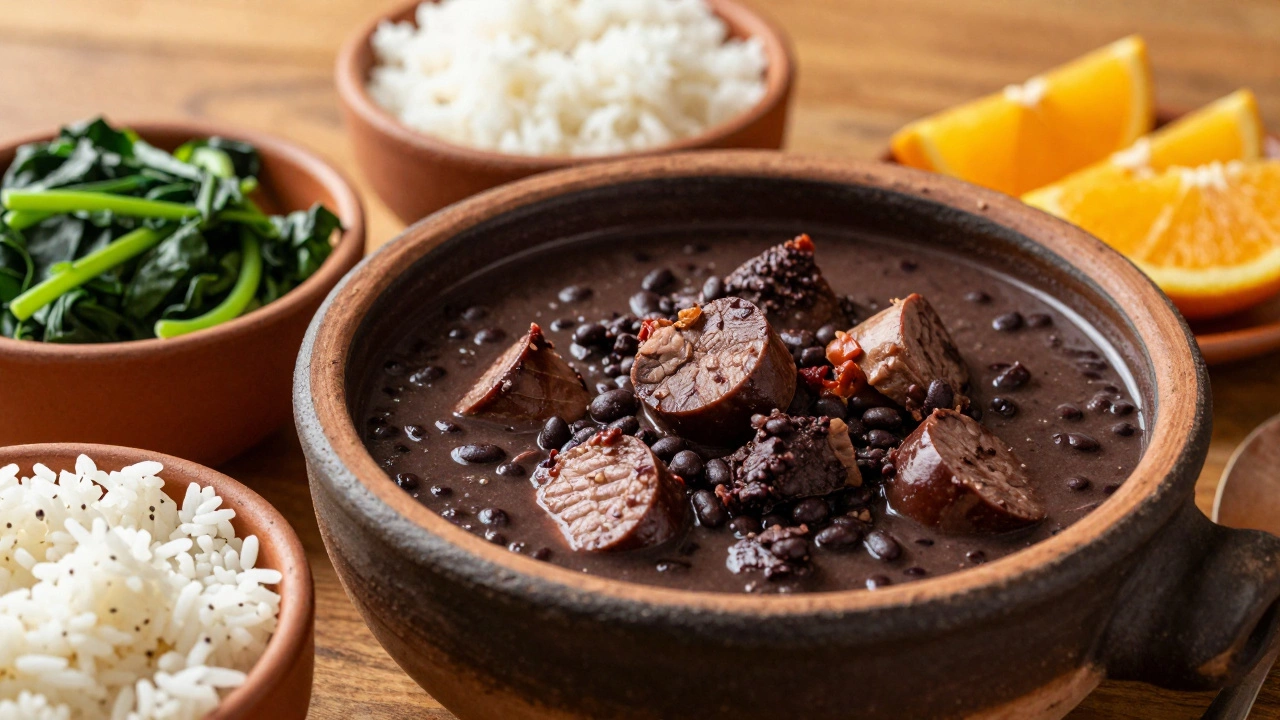
Every time foreigners ask about Brazil's signature meal, they expect to hear about feijoada, and for good reason. This thick black bean stew dates back to slavery times when enslaved Africans used leftover meat scraps to create something delicious. Today, it's celebrated on weekends, especially Wednesdays and Saturdays when Brazilians gather for family dinners.
A proper feijoada includes black beans simmered with various cuts of pork and beef for hours until tender. Common additions include sausage, bacon, and sometimes ham hocks. The dish sits alongside white rice, sautéed collard greens called couve, and orange slices to cut through the richness.
You'll notice that restaurant versions differ significantly from home cooking. While tourist spots serve it daily, authentic family recipes keep their own secrets passed down through generations. Some cooks add smoked tripe, while others stick to cleaner cuts depending on preference.
Brazilian BBQ: Understanding Churrasco
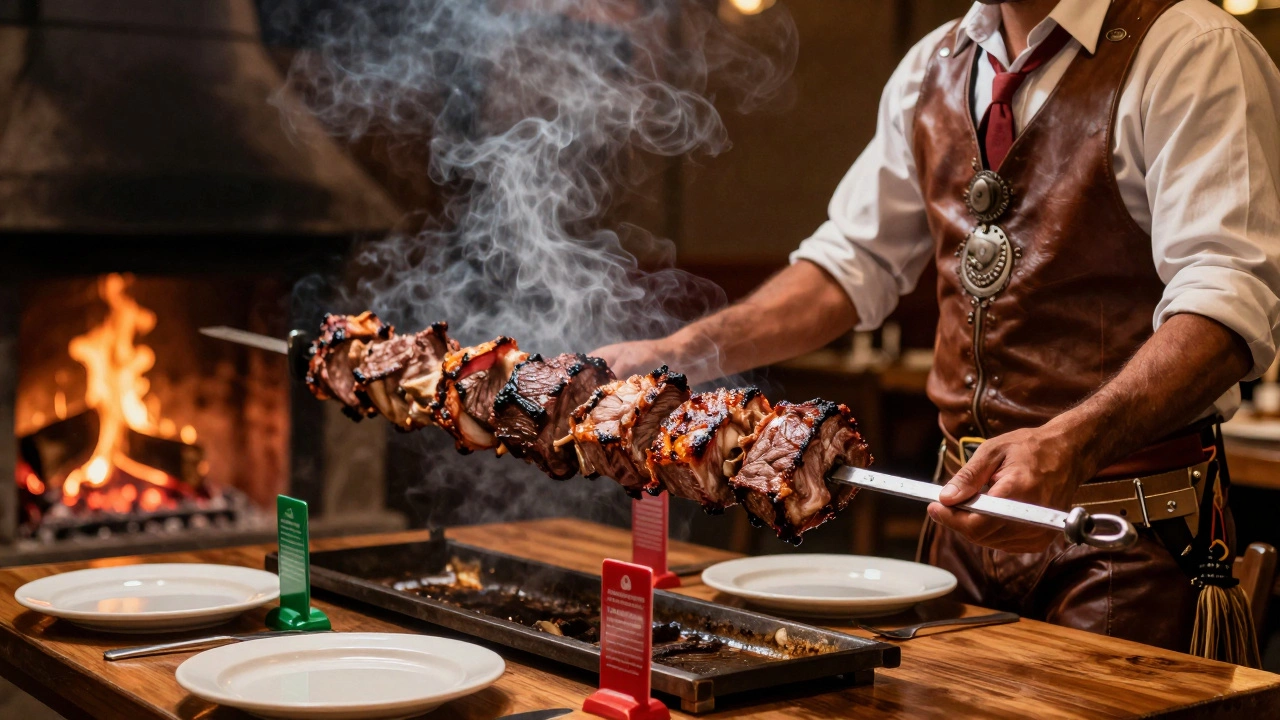
The southern state of Rio Grande do Sul gave us churrasco, Brazil's answer to Argentine asado. Unlike American backyard grilling, churrasco follows the gaúcho tradition where cowboys would roast large skewers over open flames using wood fires.
Traditional churrasco restaurants feature roving servers who bring rotating skewers of different meats directly to your table. They slice portions right onto your plate using long knives, and you signal whether you want more by coloring cards placed beside your plate-green for yes, red for stop.
| Cut Name | Description | Common Seasoning |
|---|---|---|
| Picanha | Fat cap-covered top sirloin cap | Coarse salt only |
| Frajdinho | Fattier brisket cut with high marbling | Salt and garlic powder |
| Frango Assado | Whole roasted chicken halves | Lemon juice and herb rub |
| Ribs | Beef short ribs slow-roasted | Salt with chili flakes option |
The experience works best when you visit rodízio style restaurants where multiple chefs manage different meat types simultaneously. Prices typically range based on quality levels, with premium houses serving up to twelve different meat varieties throughout your meal.
Açaí Berries: From Amazon Superfood to Global Phenomenon
About twenty years ago, açaí existed primarily in northeastern Brazil where local vendors sold it fresh along the coastline. Today, fitness enthusiasts worldwide order thick purple bowls topped with granola and banana slices across social media platforms.
What started as a quick breakfast for fishermen became a global health trend after scientists discovered its high antioxidant levels. Native Tupi-Guarani people collected these berries from palm trees growing along riverside mangroves, crushing them traditionally with stone grinders before mixing with tapioca flour.
Açaí bowls now appear on menus internationally, though traditionalists argue commercial versions lose authenticity by adding sugar and fruit compotes instead of keeping simple preparations like fisherman families made them.
In Brazil itself, you'll rarely find frozen açaí served sweetened-most eat it savory paired with fried cassava manioc or even fish tacos. The taste differs dramatically from North American versions which lean heavily toward dessert profiles.
Regional Differences Across Brazil
Brazil's massive geography creates distinct culinary zones. The northeast relies heavily on coconut milk and tropical fruits, the southeast embraces Italian-influenced pastas and pizzas, while the south keeps strong gaúcho barbecue traditions.
Along the coast, moqueca becomes king. This fish stew simmers in clay pots with dendê oil extracted from red palm fruit, plus heavy doses of cilantro, lime juice, and fresh peppers. Bahia's version sweats out more coconut milk while Espírito Santo uses turmeric for golden coloring.Up north near the Amazon river basin, you'll encounter preta cake made from grated cassava roots mixed with dried fish and deep-fried until crispy. Interior farmers depend on mandioca cassava as a carbohydrate staple replacing rice common elsewhere in Brazil.Street Food Staples: Pão de Queijo and More
Morning markets overflow with vendors selling pão de queijo, those little gluten-free cheese buns made with cassava starch. Each bakery has slightly different techniques-some roll by hand, others use extruders-but the principle stays consistent: stretchy interior with golden crust outside.
You can grab them warm throughout day, not just at breakfast. Many office workers carry thermos cups filled with coffee to pair with two or three freshly-baked balls purchased from corner bakeries scattered around major cities.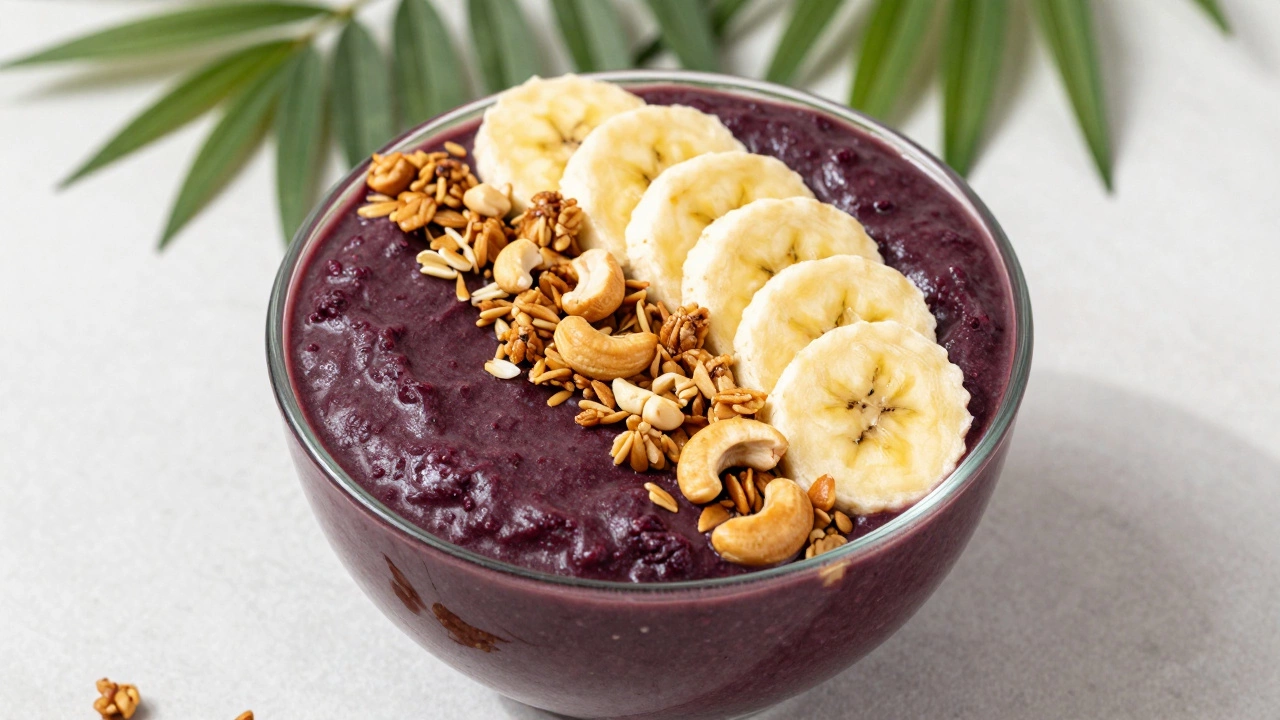
Traditional Beverages Beyond Coffee
Brazilian drinking culture extends well past famous espresso chains. The Caipirinha cocktail combines cachaça distilled sugarcane spirit with muddled lime wedges and crushed ice cubes, making it the country's unofficial national drink.
Cachaca production peaked during colonial times when Portuguese colonizers demanded cheap alternatives to European rum imports. Modern distillers continue artisanal methods using wooden presses and copper stills found throughout Minas Gerais province particularly.Daily consumption patterns show Brazilians prefer unsweetened coffee drinks taken black multiple times per day rather than elaborate frappuccinos. Water-based guaraná soda originates from the northern states where indigenous people chewed guaraná seeds for energy effects before Spanish conquest arrived.What is the most famous food in Brazil?
Feijoada holds the title of Brazil's most famous dish, a rich black bean stew cooked with pork and beef cuts that serves as the country's official culinary symbol celebrated nationwide on weekends.
Is churrasco similar to Argentine asado?
Both share gaucho cowboy origins, but Brazilian churrasco features rodízio service where waiters continuously bring different meat skewers to your table, unlike Argentine self-service grill formats.
Where does açaí originally come from?
Açaí berries grow on palm trees along Amazon River floodplains in northern Brazil, where indigenous communities harvested them thousands of years before global popularity began spreading worldwide.
Are pão de queijo gluten-free?
Yes, these cheese buns use tapioca cassava flour instead of wheat flour, making them naturally gluten-free and safe for most celiac disease sufferers when prepared without cross-contamination.
Can you find authentic Brazilian food outside Brazil?
Major international cities with Brazilian expatriate communities maintain quality restaurants serving regional specialties, though some adaptations occur based on ingredient availability and local taste preferences.
Cultural Context Behind Brazilian Eating Habits
Meals in Brazil function less as fuel stops and more as community gatherings spanning three to four hours during evenings. Families prioritize conversation over speed, with lunch breaks lasting longer compared to fast-paced Northern European business cultures where quick sandwiches dominate workday routines.
Religious festivals shape eating patterns significantly. During June celebrations called Junina festivities honoring saints, people prepare specific corn cakes and sweet drinks tied to harvest gratitude ceremonies rooted in rural agricultural societies historically dominating population centers.Urbanization changed certain practices-fast food chains now compete with traditional eateries in mega-cities-but weekend barbecues remain sacrosanct regardless of socioeconomic status. Even apartment dwellers manage weekend grills on balconies or shared patios celebrating friendship bonds through shared cooking responsibilities.Modern Twists on Traditional CookingNew generation chefs reinterpret ancestral recipes using contemporary techniques while respecting original flavors. Michelin-starred establishments in São Paulo experiment with molecular gastronomy applied to familiar ingredients like farofa foam and foie gras moqueca presentations.
Sustainability movements influenced ingredient sourcing priorities, pushing restaurants toward ethically-raised livestock options and wild-caught certified fish stocks replacing factory-farmed proteins previously standard in mid-tier dining venues.Vegan adaptations increasingly appear on mainstream menus acknowledging plant-based demand growth. Cashew cream substitutes replace dairy, mushroom umami extracts provide savory depth once coming exclusively from aged pork products.Tourism brought foreign palates influencing fusion experiments blending Italian pasta shapes with Brazilian spice blends, creating hybrid dishes gaining acceptance among younger populations comfortable with multicultural identity expressions reflected through food choices.