Sport Equipment Manufacturer Finder
Not sure which brand to choose? Answer these three questions to find the manufacturer that aligns best with your priorities.
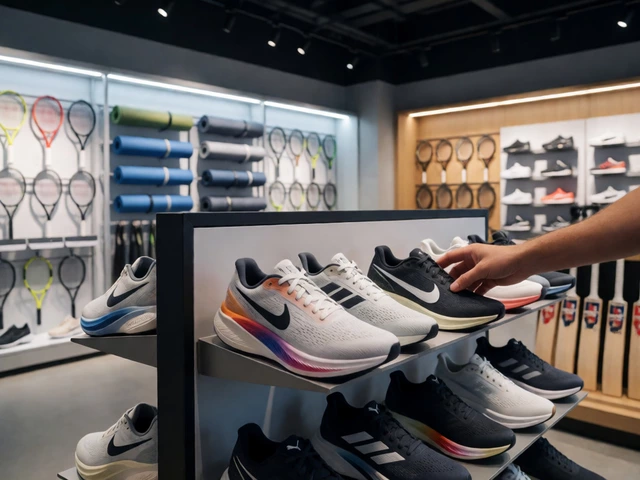
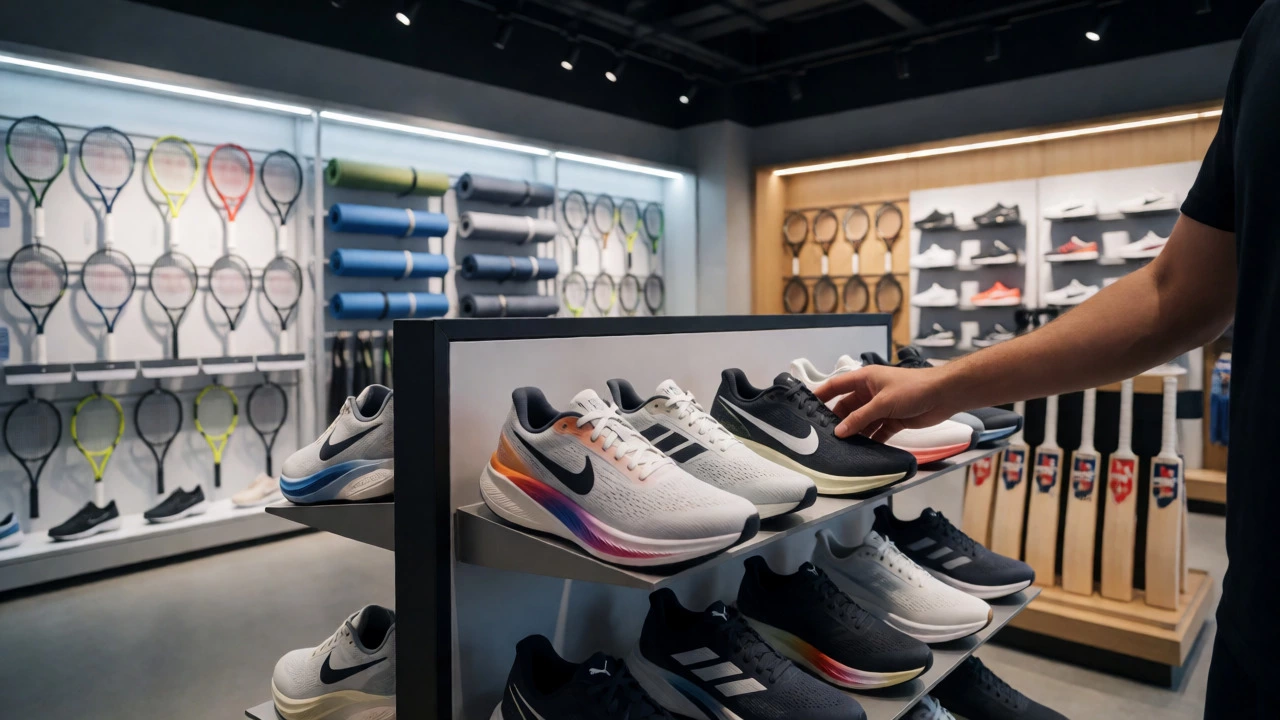
You walk into a store or scroll through an online shop, and you see racks of shoes, stacks of tennis rackets, and rows of yoga mats. You might grab the one that looks cool or fits your budget, but have you ever stopped to wonder who actually made it? It is not just some anonymous factory in a vacuum. The world of sport equipment is dominated by a handful of massive corporations, specialized niche brands, and a complex global supply chain that stretches from Vietnam to Germany.
Understanding who makes your gear matters more than you think. It affects quality, warranty support, ethical sourcing, and even how long your investment lasts. If you are buying running shoes for marathon training or a cricket bat for weekend matches, knowing the manufacturer helps you make smarter choices. Let’s break down the big players, the hidden giants, and what you should look for when you next buy sports gear.
The Big Three: Dominating Global Markets
If you ask anyone on the street who makes sport equipment, they will likely name three brands: Nike, Adidas, and Puma. These are not just logos; they are industrial powerhouses that define the market. But their roles differ slightly.
Nike, headquartered in Beaverton, Oregon, is the largest sportswear company in the world by revenue. Founded in 1964 as Blue Ribbon Sports, it rebranded to Nike in 1971. Nike doesn’t own most of its factories. Instead, it relies on a network of independent contract manufacturers, primarily in Asia. This allows them to focus heavily on design, marketing, and R&D. When you buy Nike Air Zooms, you are paying for proprietary foam technology and brand prestige, manufactured often by partners like Pou Chen Corporation.
Adidas, based in Herzogenaurach, Germany, is Nike’s closest rival. Unlike Nike, Adidas has historically owned more of its manufacturing capabilities, though it has shifted significantly toward outsourcing in recent decades. Adidas is known for its collaboration culture-think Yeezy with Kanye West or partnerships with Stella McCartney. They produce everything from football boots to gym wear. Their supply chain is vast, involving thousands of suppliers across China, Indonesia, and Vietnam.
Puma, also German and originally founded by Rudolf Dassler (the brother of Adidas founder Adi Dassler), holds the third spot. Puma focuses heavily on lifestyle and football. While smaller than the top two, they dominate specific niches like motorsport-inspired footwear and boxing gloves. Their manufacturing footprint overlaps significantly with competitors, using similar factories in Southeast Asia.
| Brand | HQ Location | Primary Strength | Manufacturing Model |
|---|---|---|---|
| Nike | USA | Innovation & Marketing | Outsourced Contract Manufacturing |
| Adidas | Germany | Lifestyle & Football | Mixed (Outsourced + Some Owned) |
| Puma | Germany | Fitness & Motorsport | Outsourced Contract Manufacturing |
Specialized Giants: Beyond Apparel
Not all sport equipment is clothing or shoes. What about your golf clubs, tennis rackets, or hockey sticks? Here, different names rule. The generalist brands like Nike and Adidas often license their names or acquire smaller specialists, but true performance in these areas comes from dedicated manufacturers.
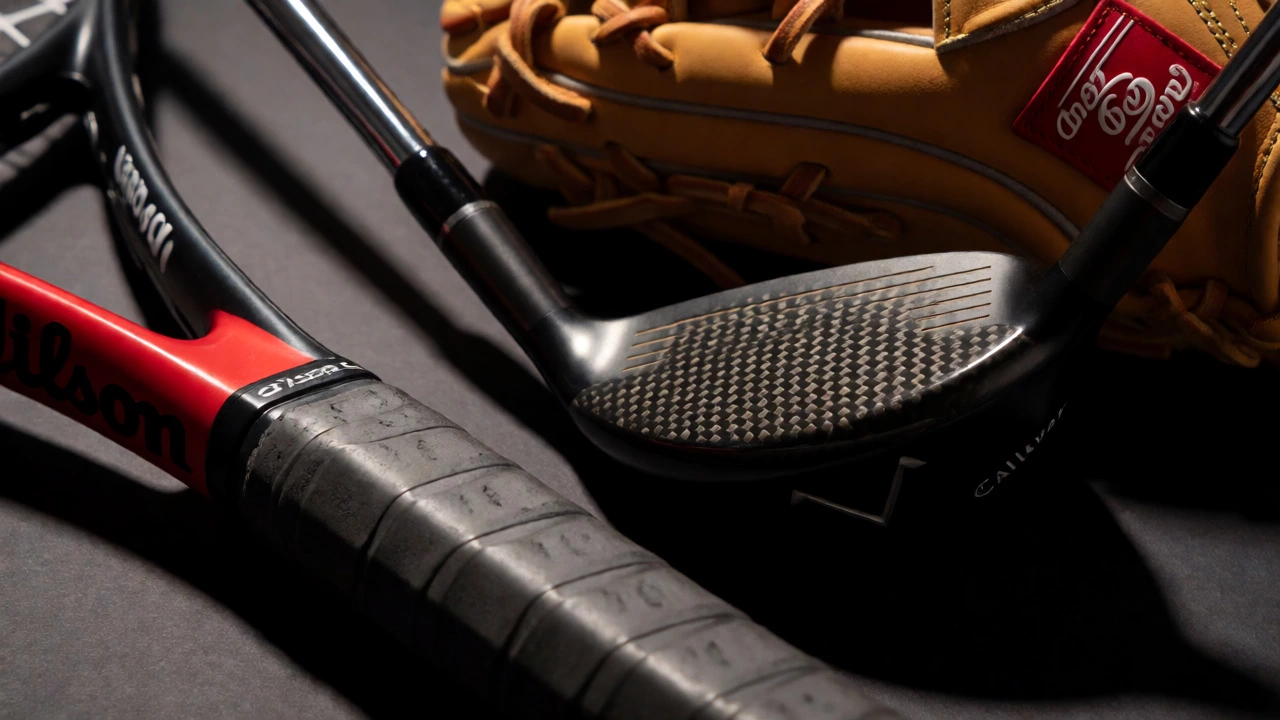
Wilson Sporting Goods is a prime example. Founded in 1913, Wilson is synonymous with tennis, baseball, and basketball balls. They don’t just slap a logo on a generic product; they engineer the core. For instance, their Pro Staff tennis racket is used by legends like Roger Federer because of specific frame geometry and string tension characteristics. Wilson is now owned by Amer Sports, which also owns Salomon and Arc’teryx, creating a portfolio of outdoor and indoor sports specialists.
Callaway Golf dominates the golf equipment sector. Headquartered in Carlsbad, California, Callaway revolutionized golf club design with oversized drivers and forgiving irons. They manufacture high-tech carbon fiber heads and precision-milled faces. Similarly, Titleist (owned by Acushnet Company) is the go-to for serious golfers who prioritize control over distance. These companies invest millions in R&D labs where robots swing clubs thousands of times to test aerodynamics and impact points.
In team sports, Rawlings controls much of the baseball and softball equipment market, especially gloves and bats. Meanwhile, Bauer and CCM split the ice hockey market. Bauer is known for lightweight skates and protective gear, while CCM offers robust, durable options favored by many professional leagues. These brands work closely with athletes to refine fit and protection standards, ensuring that safety meets performance.
The Hidden Makers: Contract Manufacturers
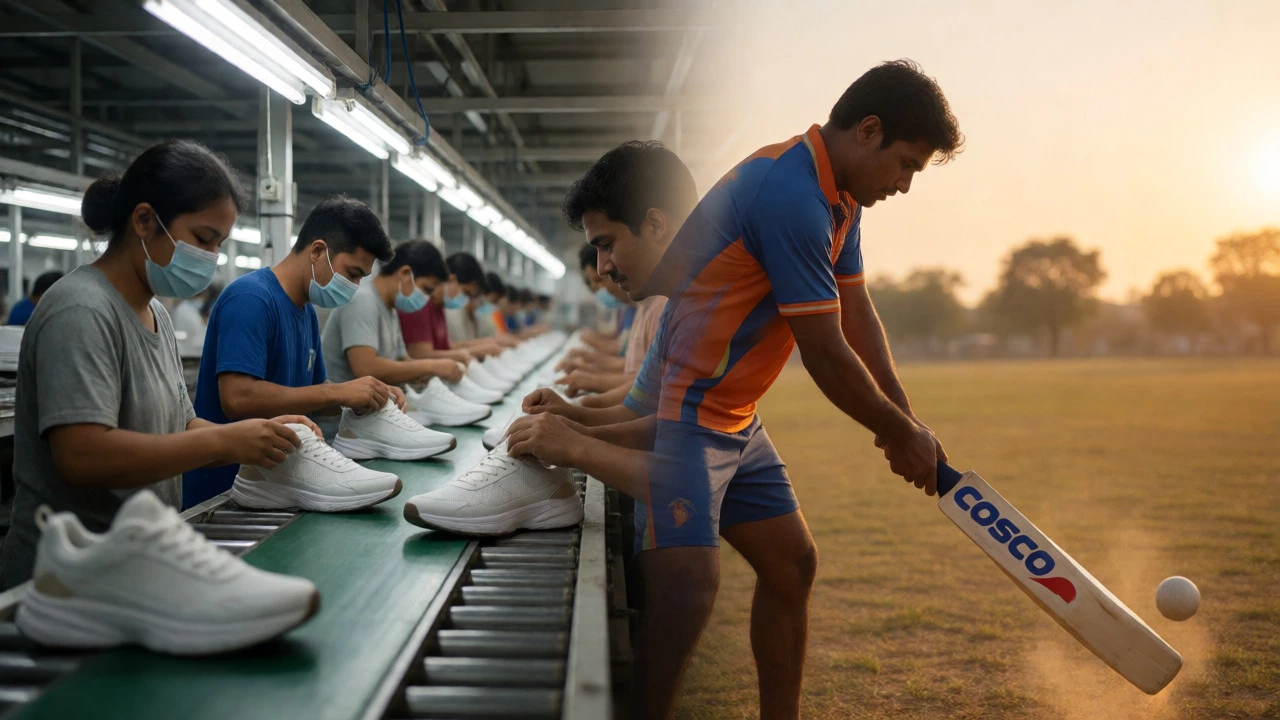
Here is the twist: many famous brands do not make anything themselves. They hire contract manufacturers. These are massive factories that produce goods for multiple brands simultaneously. If you flip the tag on your Nike shoe, you might see "Made in Vietnam" or "Made in Indonesia." The actual factory could be producing identical soles for New Balance or Under Armour.
Key players in this shadow economy include:
- Pou Chen Corporation: Based in Taiwan, this is one of the world’s largest leather tanners and footwear manufacturers. They produce for Nike, Adidas, and others.
- Feng Tay Enterprises: Another major Taiwanese manufacturer specializing in rubber and plastic products for sports footwear.
- Shenzhou International: A Chinese giant focused on knitwear and activewear fabrics, supplying brands like Uniqlo, Nike, and Adidas.
Why does this matter? Because if Brand A and Brand B use the same factory and similar materials, their products might perform similarly despite price differences. You are often paying for the brand story, not just the physical object.
Emerging Brands and Local Heroes
The monopoly isn’t unbreakable. In India, where I live, local brands have surged in popularity. Decathlon, a French retailer, has become a game-changer globally. They design, manufacture, and sell their own gear under brands like Kalenji (running) and Quechua (hiking). By cutting out middlemen, they offer high-quality equipment at lower prices. Their model proves you don’t need a Hollywood ad campaign to win customers.
Indian brands like Cosco and Sai Sports have long dominated the cricket and badminton markets locally. Cosco, established in 1975, makes everything from footballs to table tennis bats. Sai Sports specializes in badminton rackets and shuttlecocks, offering professional-grade gear at accessible prices. These companies highlight how regional needs shape manufacturing. Cricket bats require specific willow wood, often sourced from England, but assembled and finished in India for cost efficiency.
Startups are also entering the fray. Brands like Allbirds focus on sustainable materials, using merino wool and eucalyptus tree fibers. They appeal to eco-conscious consumers who care less about flashy logos and more about environmental impact. Similarly, On Running has disrupted the running market with unique cloud-like sole technology, attracting runners who want something distinct from the usual Nike or Adidas offerings.
How to Choose the Right Manufacturer
So, how do you decide who to buy from? It depends on your priority: performance, price, or ethics.
If you are an elite athlete, stick to specialized brands. A tennis player should trust Wilson or Babolat over a generic brand because the engineering is tuned for professional play. Check reviews from pro players. Look for specific technologies mentioned, such as "carbon fiber weave" or "aerospace-grade aluminum."
If you are a casual enthusiast, Decathlon or mid-tier brands like ASICS or Mizuno offer excellent value. ASICS, for example, is Japanese-owned and renowned for gel cushioning technology in running shoes. They balance quality and cost well for amateur runners.
If sustainability is your goal, research the manufacturer’s supply chain transparency. Companies like Patagonia and Allbirds publish detailed reports on material sourcing. Avoid brands that refuse to disclose factory locations. Ethical production often means higher costs, but it supports fair wages and safer working conditions.
Do Nike and Adidas make their own products?
No, neither Nike nor Adidas manufactures most of their products in-house. They rely on a network of independent contract manufacturers, primarily located in Asia, including countries like Vietnam, Indonesia, and China. These factories produce goods for multiple brands simultaneously, allowing the parent companies to focus on design, marketing, and distribution.
Which company makes the best tennis rackets?
There is no single "best" company, as it depends on playing style. However, Wilson, Babolat, Head, and Yonex are the leading manufacturers. Wilson is known for control-oriented frames, Babolat for power and spin, Head for versatility, and Yonex for large sweet spots. Professional players often choose based on specific weight, balance, and stiffness preferences rather than brand alone.
Are expensive sports brands always better quality?
Not necessarily. High prices often reflect marketing costs, brand prestige, and limited-edition collaborations rather than superior durability. Many mid-range brands use similar materials and factories as luxury counterparts. For casual use, brands like Decathlon, Li-Ning, or Reebok can offer comparable performance at a fraction of the cost. Always check user reviews and technical specs instead of relying solely on the price tag.
Where is most sport equipment manufactured?
The majority of global sport equipment is manufactured in Asia. Vietnam, Indonesia, and China are the top producers for footwear and apparel due to skilled labor forces and established infrastructure. Bangladesh and India also play significant roles, particularly in textiles and specific items like cricket bats and footballs. Europe still produces high-end specialized gear, such as German-made bicycles or Italian-made ski equipment.
What is a private label sport brand?
A private label brand is a product manufactured by a third-party factory but sold under a retailer’s own brand name. Examples include Amazon Basics or Target’s Goodfellow & Co. In sports, Decathlon’s internal brands (like Kipsta or Tribord) function similarly. They allow retailers to control margins and offer exclusive products without building a global manufacturing empire themselves.