Sport Gear Needs Analyzer
Not sure what you actually need? Answer these questions to get a personalized gear checklist. Avoid wasting money on unnecessary high-end items.
Essential Items
Optional / Upgrade Items
Maintenance Tip
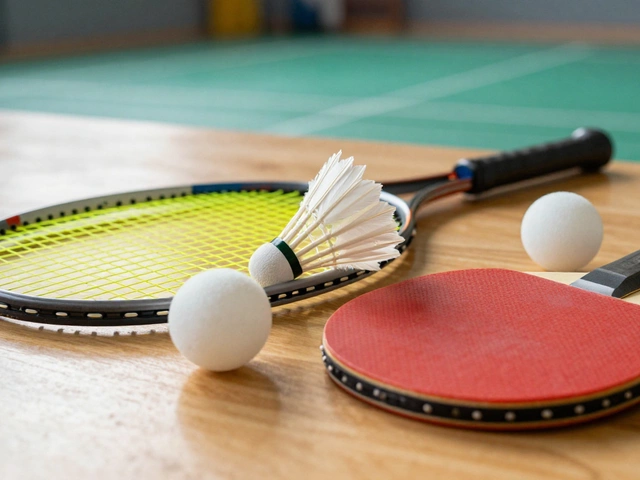
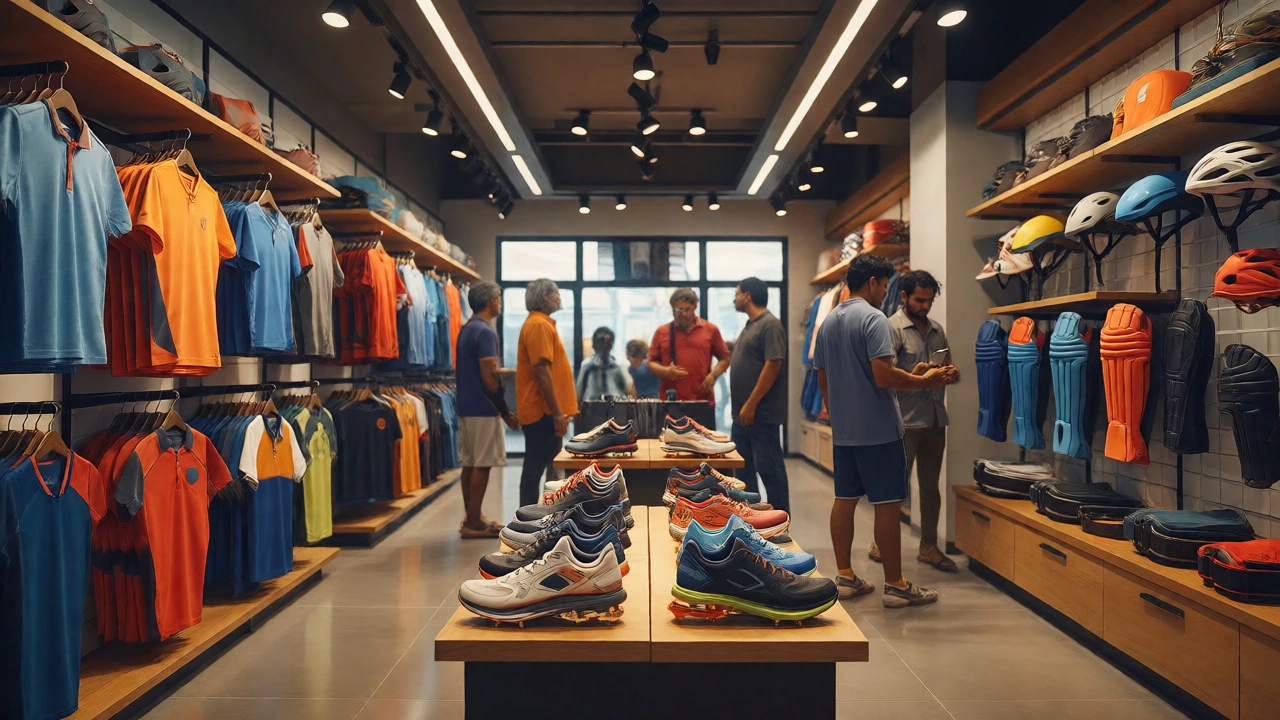
You walk into a store or scroll through an online catalog, and you see thousands of items labeled "gear." Sneakers, jerseys, shin guards, tennis rackets, yoga mats. It’s all lumped together under one vague term: sport gear. But what does it actually mean? Is your lucky t-shirt sport gear? Is the water bottle in your bag considered part of your kit? The confusion is real because the term covers everything from the shoes on your feet to the smartwatch tracking your heart rate.
At its core, sport gear refers to any equipment, clothing, or accessory used during physical activity or competitive sports. Unlike everyday clothes, this stuff is engineered for performance, protection, or convenience. If it helps you run faster, hit harder, or stay safe while doing so, it counts. Think of it as the toolkit for your body. Just like a carpenter needs a hammer and saw, an athlete needs specific tools tailored to their discipline.
The Three Pillars of Sport Gear
To make sense of the chaos, break sport gear down into three main categories. This isn't just academic; understanding these buckets helps you buy smarter and avoid wasting money on things you don't need.
- Apparel: This is what you wear. It includes technical fabrics designed to wick sweat, regulate temperature, and allow freedom of movement. Your running shorts, compression sleeves, and moisture-wicking t-shirts fall here. Unlike cotton tees, these materials are built to handle the stress of exercise without chafing or getting heavy with sweat.
- Footwear: Shoes are arguably the most critical piece of gear for most people. Running shoes differ vastly from basketball sneakers or hiking boots. They have specific cushioning, support structures, and traction patterns suited to the surface and motion involved. Wearing the wrong shoe can lead to injuries, which makes this category distinct from general footwear.
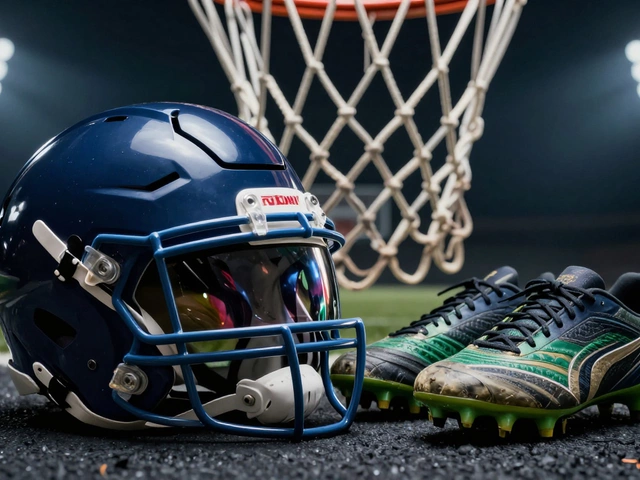
- Protective and Performance Equipment: This is the broadest bucket. It ranges from helmets and pads that prevent injury (like in football or cycling) to tools that enhance performance (like golf clubs, tennis rackets, or swimming goggles). Some of this is mandatory by league rules; other parts are optional upgrades for better results.
Why You Can’t Wear Just Any Clothes
You might think, "I’ll just wear my old jeans and a hoodie to play cricket." Sure, you can. But you’ll hate yourself after ten minutes. That’s where the engineering behind sport gear comes in. Regular clothes trap heat and moisture. When you sweat in cotton, it stays wet, making you cold when you stop moving or heavy when you’re active. Technical sport gear uses synthetic fibers like polyester or nylon, often blended with elastane for stretch. These fabrics pull sweat away from your skin to the outer layer, where it evaporates quickly. This process, called moisture-wicking, keeps you dry and comfortable.
Then there’s fit. Sport gear is cut differently. Basketball jerseys are loose to allow arm movement. Cycling skinsuits are tight to reduce air resistance. Compression gear squeezes your muscles, which some athletes believe improves blood flow and reduces muscle soreness. While the science on compression is still debated among experts, many players swear by it. The point is, the design isn’t arbitrary. Every seam, stitch, and fabric choice serves a function related to the specific demands of the sport.
Protective Gear: Not Just for Pro Athletes
A common misconception is that only professional athletes need serious protective gear. In reality, recreational players are often more prone to certain injuries because they lack the conditioning and technique of pros. Let’s look at a few examples.
| Sport | Essential Protective Gear | Primary Function |
|---|---|---|
| Cycling | Helmet | Prevents head trauma from falls or collisions |
| Cricket | Helmet, Pads, Gloves | Shields against high-speed ball impact |
| Football/Soccer | Shin Guards, Mouthguard | Protects shins from kicks and teeth from impacts |
| Weightlifting | Belt, Wraps | Supports spine and joints under heavy load |
Notice how even low-impact sports have specific requirements. Weightlifters use belts not just to look tough, but to increase intra-abdominal pressure, stabilizing the lower back during heavy squats. Cyclists wear helmets because head injuries are the leading cause of death in bike accidents. Skipping these items doesn’t make you tougher; it just increases your risk. In India, where road cycling and amateur cricket are huge, investing in certified helmets and proper padding is crucial for long-term health.
The Rise of Tech-Enabled Sport Gear
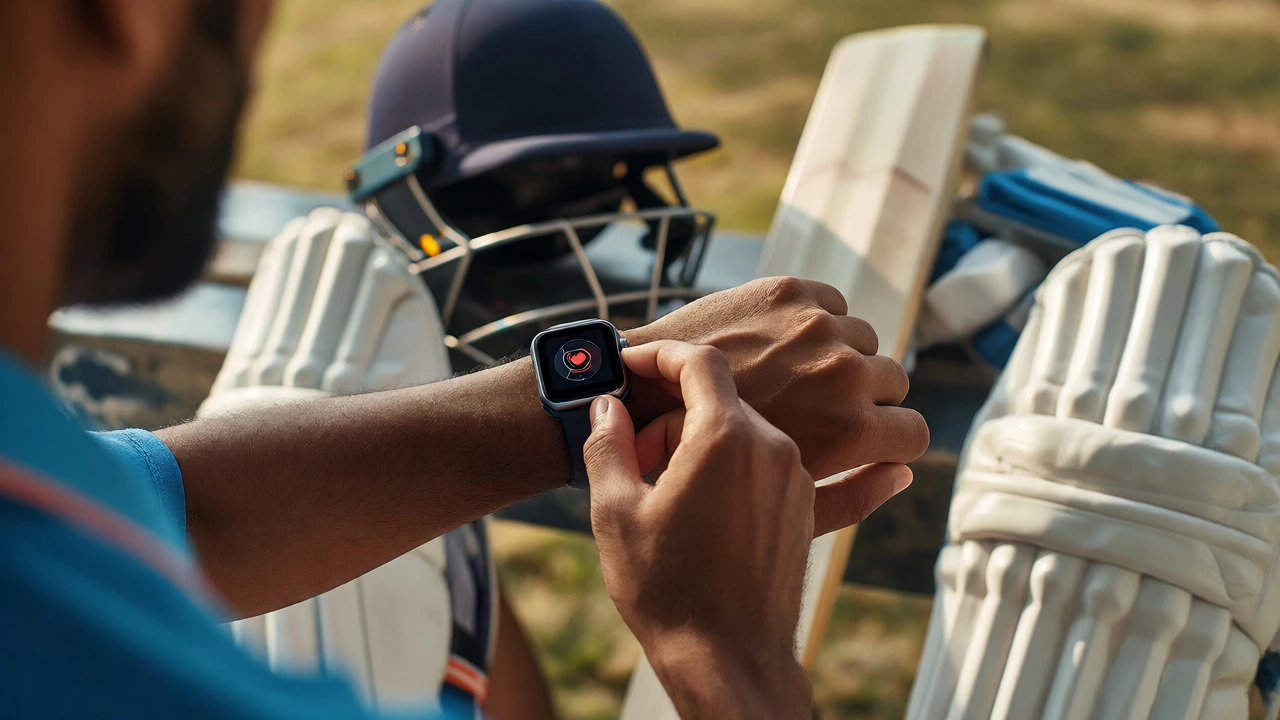
Today, sport gear isn’t just passive. It’s becoming active. Wearable technology has blurred the line between clothing and electronics. Smartwatches, fitness trackers, and even smart socks now collect data on your performance. This shift changes the definition of gear. Your watch isn’t just telling time; it’s analyzing your sleep, heart rate variability, and recovery status.
This data-driven approach helps athletes train smarter. Instead of guessing if you’re overtraining, you get concrete metrics. For example, if your resting heart rate spikes consistently, it might signal fatigue or illness. Coaches and hobbyists alike use this info to adjust workout intensity. However, tech gear requires maintenance. Batteries die, software updates glitch, and sensors can lose calibration. Buying tech-enabled gear means accepting a higher upfront cost and ongoing digital upkeep.
How to Choose the Right Gear for Your Level
Not everyone needs pro-level equipment. Buying top-tier gear when you’re a beginner can be a waste of money. Conversely, using cheap, ill-fitting gear as an advanced player can hinder progress. Here’s a simple framework to decide what you need.
- Assess Frequency: Do you play once a month or five times a week? Occasional players should prioritize comfort and durability over high-performance features. Daily players need gear that withstands frequent washing and intense use.
- Identify Pain Points: What bothers you most? If your feet hurt after running, invest in better shoes before buying a new shirt. If you’re always cold, look at thermal layers. Solve the biggest problem first.
- Check Fit and Sizing: Never guess sizes. Try things on if possible. For online purchases, measure yourself and compare with brand-specific charts. Sizes vary wildly between brands. A "Medium" in Nike might be a "Large" in Adidas.
- Consider the Environment: Playing outdoors in Mumbai’s humidity requires different gear than playing indoors in Delhi’s AC. Breathability matters more in hot climates. Insulation matters in cold ones.
Maintenance Extends Life and Performance
Even the best gear fails if you neglect it. Sweat contains salts and acids that degrade fabrics and corrode metal parts. Washing instructions aren’t suggestions; they’re rules. Air-dry your jerseys instead of tossing them in the dryer, which shrinks elastic fibers. Clean your running shoes regularly to prevent odor-causing bacteria buildup. Lubricate moving parts on equipment like bicycle chains or treadmill belts.
Storage also plays a role. Don’t leave your tennis racket in a hot car; the strings can lose tension. Keep yoga mats rolled up loosely rather than tightly folded to prevent cracks. Proper care ensures your gear performs as intended for longer, saving you money in the long run.
The Future of Sport Gear
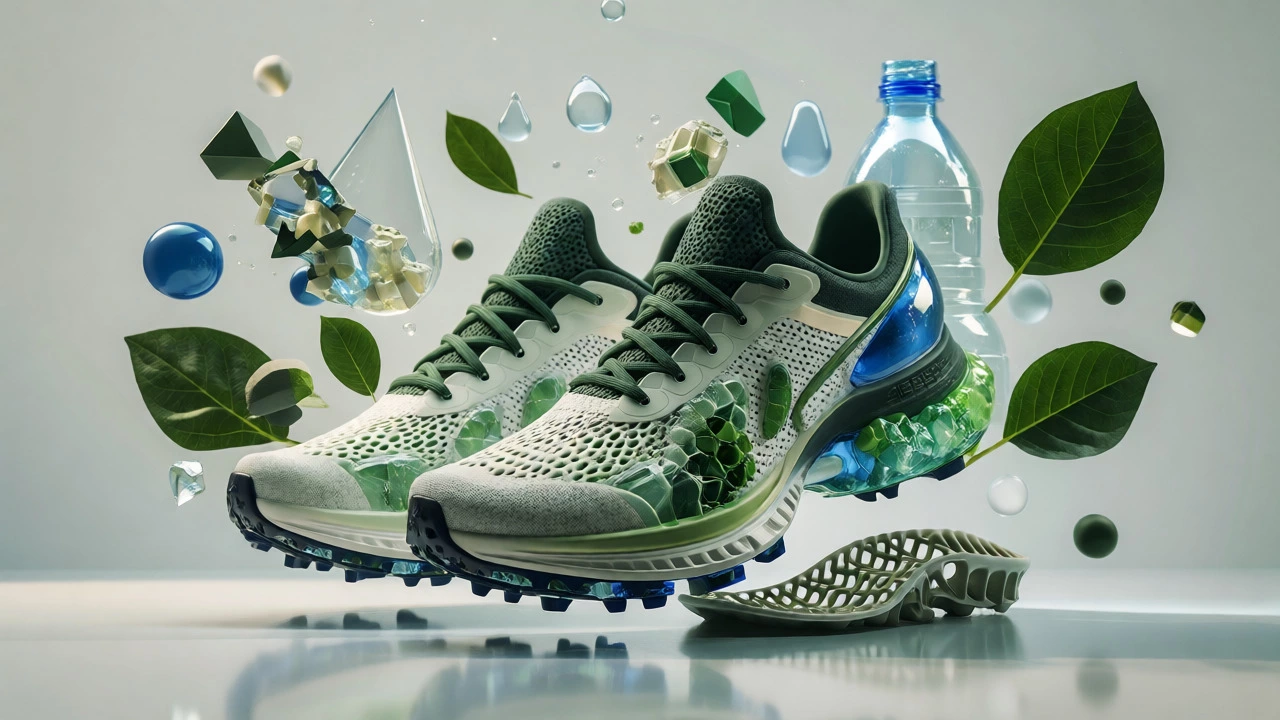
We’re seeing a trend toward sustainability. Brands are increasingly using recycled plastics for polyester fabrics and bio-based foams for shoe midsoles. Consumers are asking more questions about where their gear comes from and how it’s made. Additionally, customization is becoming easier. 3D printing allows for custom-fit insoles or personalized helmet liners, offering a level of comfort previously reserved for elites.
Understanding what sport gear means helps you navigate this evolving market. It’s not just about buying stuff; it’s about choosing tools that enhance your experience, keep you safe, and help you achieve your goals. Whether you’re jogging in Marine Drive or playing kabaddi in a local ground, the right gear makes the difference between quitting early and pushing through.
Is a water bottle considered sport gear?
Yes, it is generally considered sport gear or sports equipment. While it doesn’t directly aid in the physical act of playing, hydration is essential for performance and safety during athletic activities. Many retailers categorize hydration products under sports accessories.
What is the difference between sportswear and sport gear?
Sportswear specifically refers to clothing and footwear worn during exercise. Sport gear is a broader term that includes sportswear plus equipment, accessories, and protective items like balls, bats, helmets, and watches. All sportswear is sport gear, but not all sport gear is sportswear.
Do I need expensive gear to start a new sport?
No, you don’t need expensive gear to start. Focus on essential, functional items that fit well and provide basic protection. For example, good running shoes are important, but you don’t need the latest carbon-plated racing model. Upgrade as your interest and frequency of play increase.
Can regular clothes be used as sport gear?
For light activities like walking or gentle stretching, yes. However, for high-intensity sports, regular clothes may restrict movement, retain sweat causing discomfort, or fail to provide necessary protection. Technical sport gear is designed to mitigate these issues.
How often should I replace my sport gear?
It depends on usage and type. Running shoes typically last 500-800 kilometers. Helmets should be replaced after any significant impact or every 5 years due to material degradation. Clothing lasts until it loses elasticity or shows signs of wear. Always check manufacturer guidelines for specific items.